-
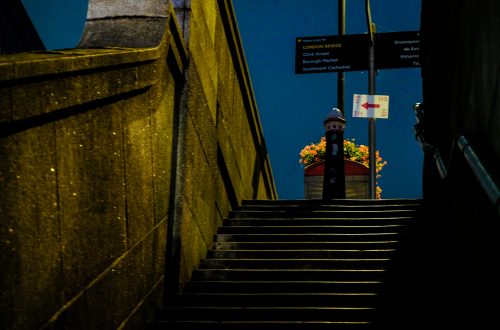
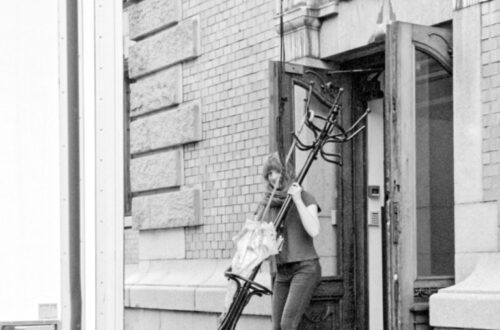
A relic from the (recent) past
less than twenty years have gone, and a telephone boot looks like a relic from the Stone Age.
-
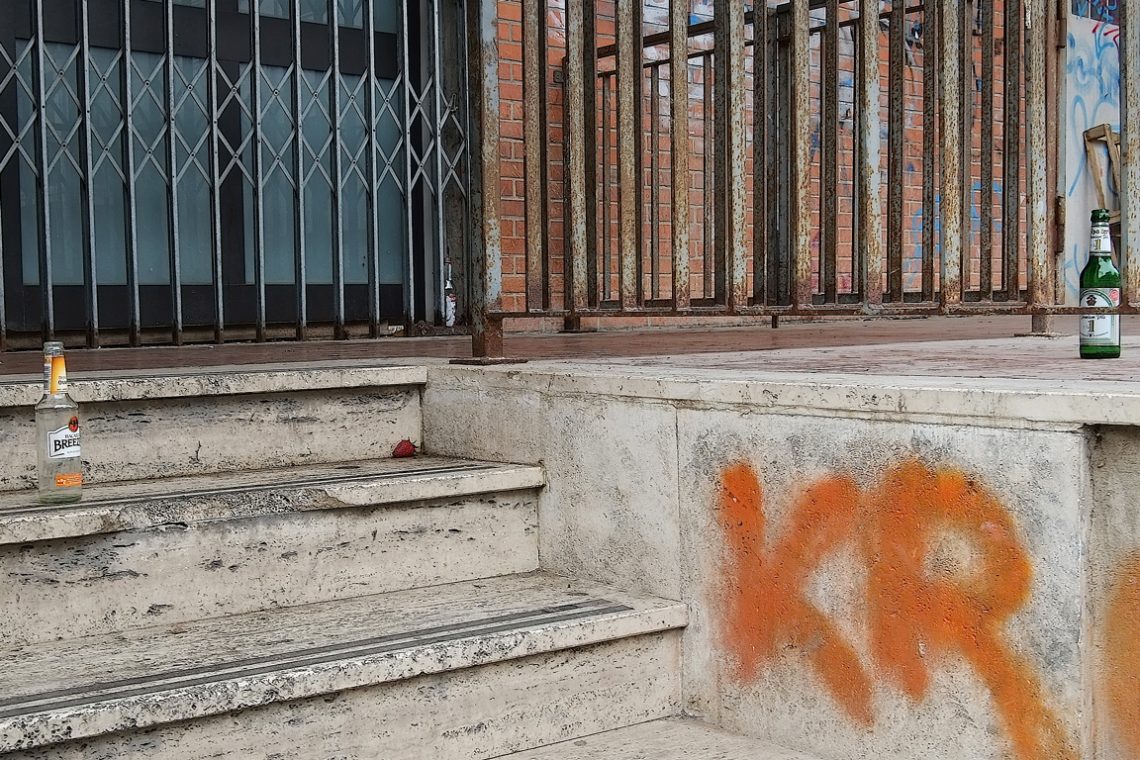
What lasts after a party…
Shot the morning after a wet December night, this scene is an unfiltered inventory of what remains once the bodies disperse. Three bottles—two upright, one half-tucked behind an iron gate—stand in for the absent crowd. There’s no music left, no voices, no movement. Just rust, grime, and the fragile persistence of glass. I framed the shot to keep the human presence implied but never visible. The steps lead nowhere, the iron gate is firmly shut, and the graffiti—hastily sprayed in orange—reads only “KR”, ambiguous and unresolved. That felt important. The story here is incomplete by design. It invites conjecture, not clarity. Technically, this is a study in texture. The marble…
-
Knocking on lion’s door
-
Sideways Through the Tunnel
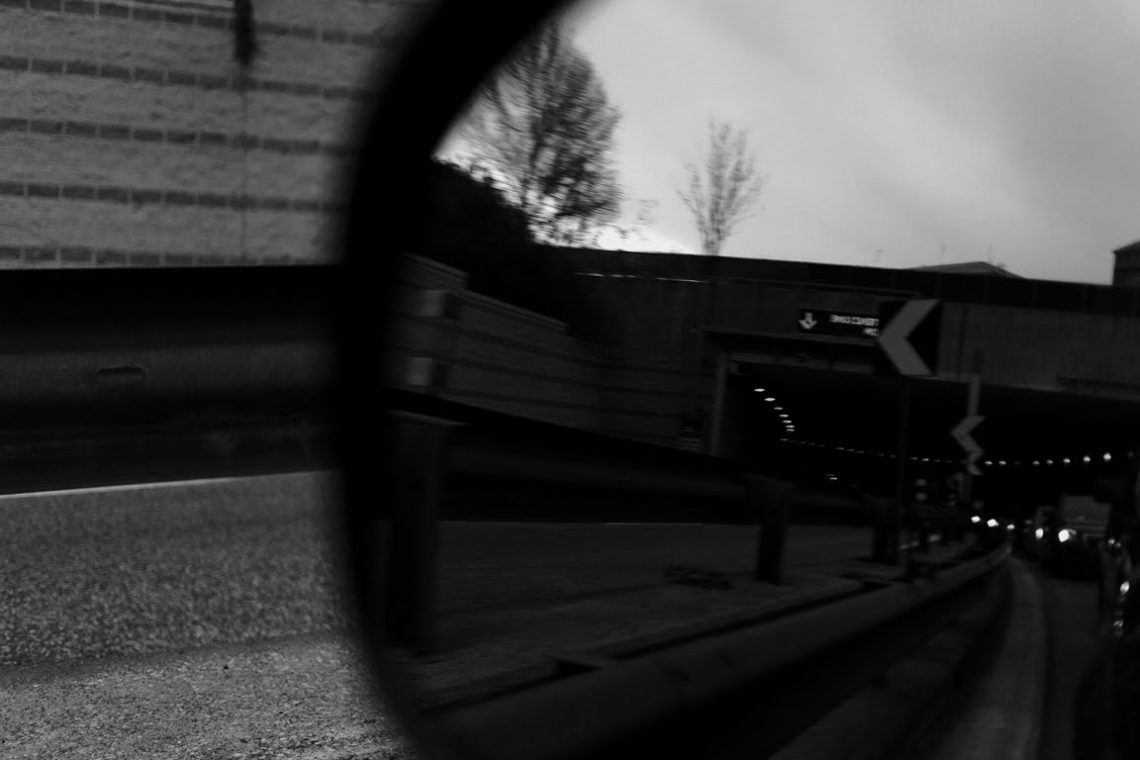
This photograph was taken in the last leg of a trip to Rome, from inside my car while standing still because one of the many and usual traffic jam on the Tangenziale. I tried to have the road not to dominate the frame, fragmenting it, instead. A dark curve cuts through the image, separating two visual registers: the solid, static wall on the left and the receding tunnel of lights on the right. The image is less about travel than about perception while travelling. The motion blur and softness at the edges weren’t deliberate; they happened by chance. However, I like the result nonetheless. The photo would have felt dishonest…
-
A lighter
…left for somebody to come, or hidden by someone who just left?
-
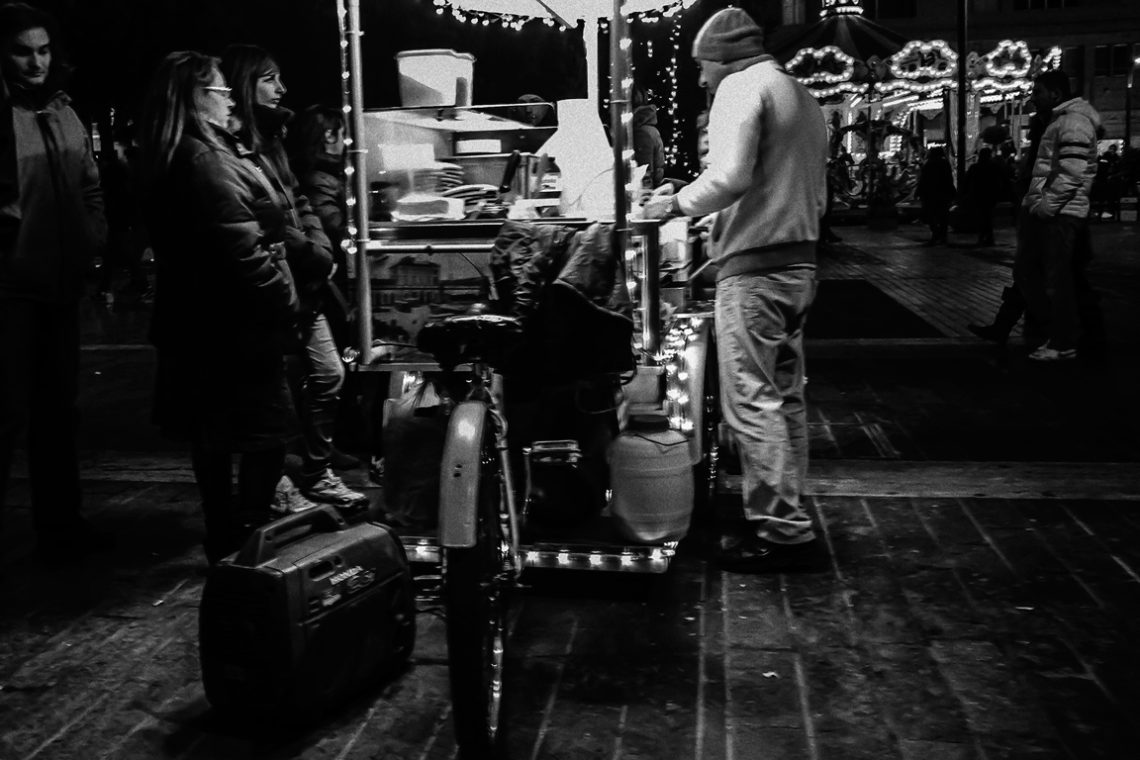
Why on Earth people, in Italy, still eat junk food?
A cold night in an Italian piazza. The air carries the scent of roasted chestnuts, espresso, and wood smoke—but here, under the halo of fairy lights, the smell is unmistakably different. Oil. Sugar. Processed salt. A small crowd stands in front of a street cart, its bicycle frame weighed down with canisters, bags, and the faint hum of a generator. The vendor moves with practised speed, ladling batter, folding paper, handing over parcels of deep-fried comfort. The queue is patient, hands buried in pockets, eyes following the ritual as if it were part of the winter tradition. Beyond the cart, a carousel spins in soft blur, its music faint against…
-
My camera’s early test shots
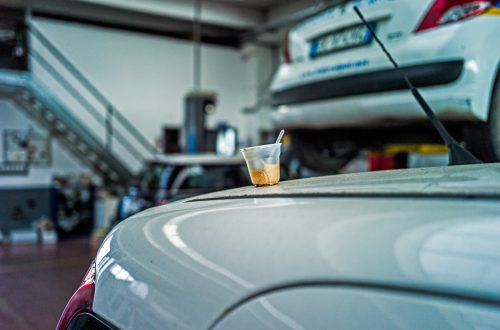
Unlike fishing villages or marinas, they are not built to be looked at. They are built to work. Every object has a purpose, every line leads somewhere, every apparently random piece of machinery exists because somebody, at some point, needed it to solve a practical problem. There is very little room for decoration. This is probably why I enjoy photographing them.