-
Mind The Gap!
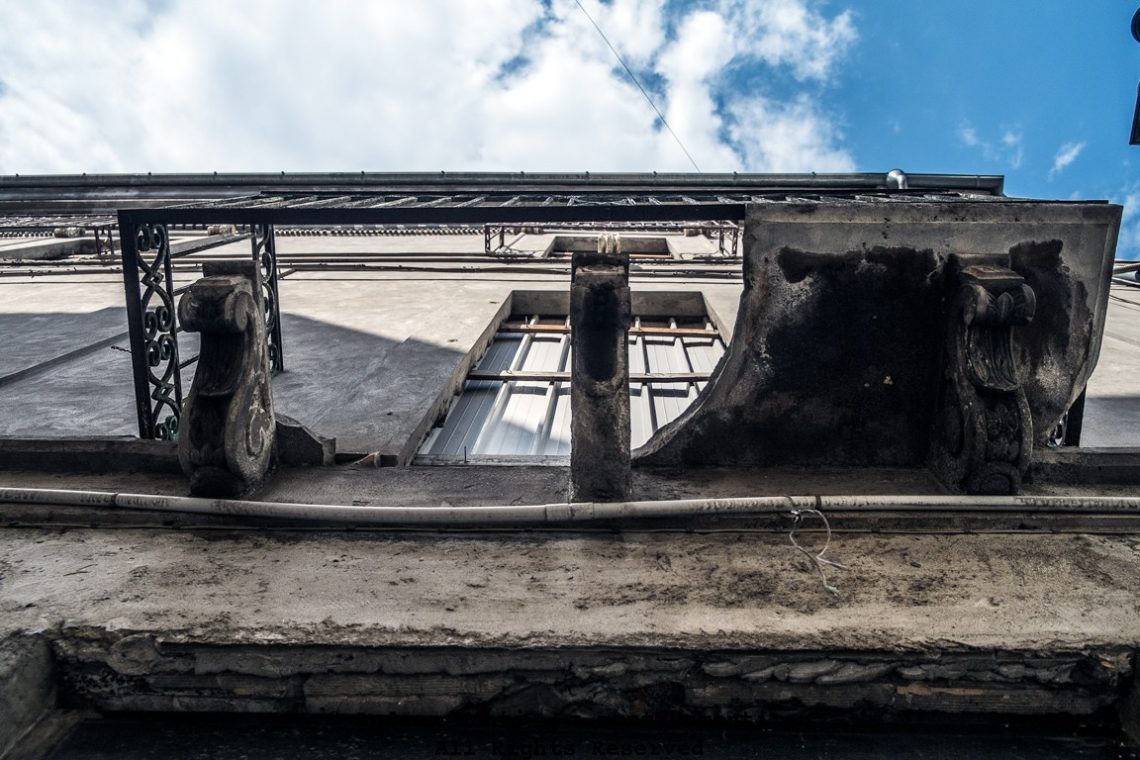
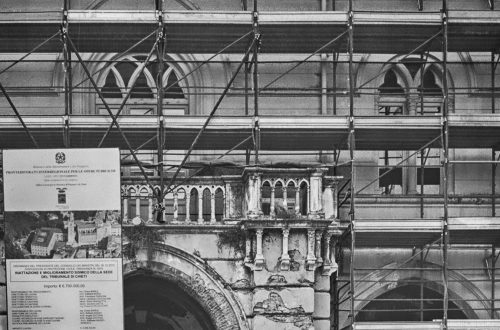
I made this photograph standing almost flush with the wall, pointing the lens straight up into the thin slice of sky framed by stone and metal. The subject is not the building itself but the uneasy conversation between its decaying ornamentation and the open void above. The fractured balcony edges lean toward each other without touching, creating a tension in the composition that pulls the viewer’s eye toward the bright gap. From a compositional standpoint, the choice of perspective is both a strength and a limitation. The severe upward angle forces strong converging lines, which add a sense of depth and slight unease. However, the proximity of the elements means…
-
Just A Bird
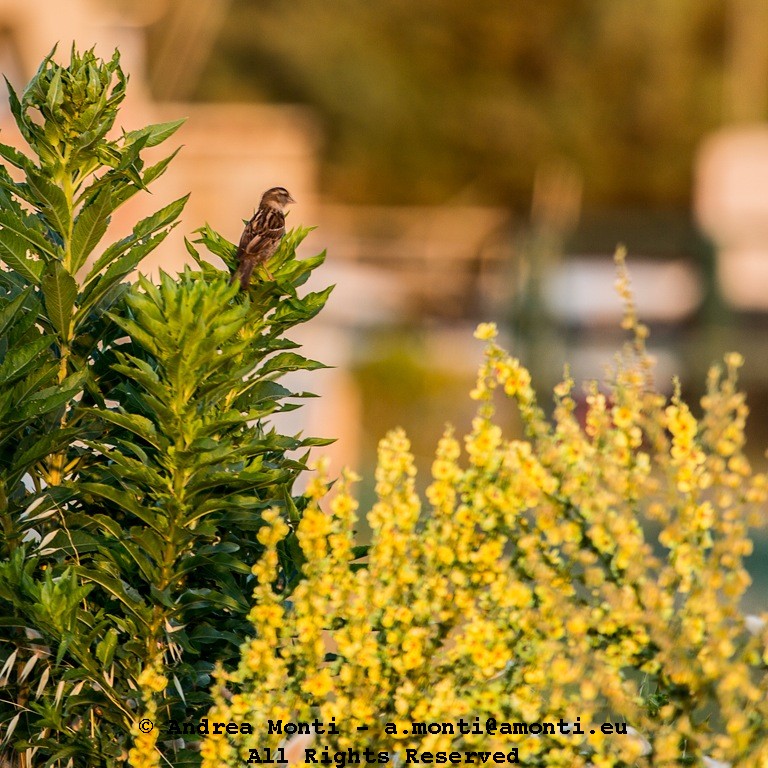
The small sparrow resting on the green stalk caught my attention not because it was rare, exotic, or particularly dramatic, but because it was simply there. A fleeting pause in the ordinary rhythm of the day. The late afternoon light wrapped both bird and plants in a warm, almost golden atmosphere, softening the edges and bringing out the textures of the leaves and flowers. From a technical standpoint, the composition is clean yet unforced. The sparrow is positioned off-centre, allowing the surrounding vegetation to balance the frame. The diagonals created by the leaves and the blurred background help guide the eye naturally towards the bird without resorting to obvious tricks.…
-
Just A Cat
-
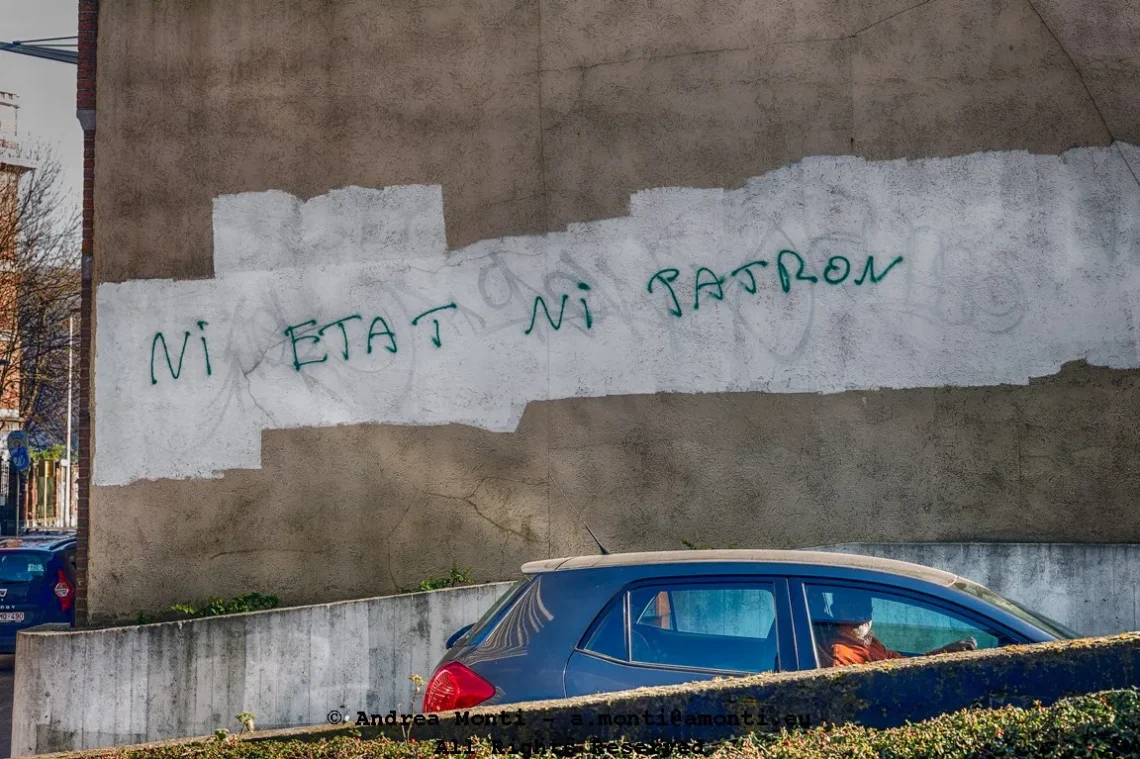
Ni État Ni Patron
Brussels. A quiet wall, a passing car, and a message that’s louder than both. The slogan is old—older than the paint used to scrawl it—Ni État Ni Patron. No state, no boss. A phrase that echoes from factories, barricades, pamphlets. And now, here it is again, on a half-covered stretch of rendered concrete. It wasn’t written to decorate. It was written to remain. The graffiti stands out not just for what it says, but for where it says it: in the middle of a freshly patched rectangle, painted over what was clearly another message before it. The wall becomes a palimpsest—layers of resistance, erasure, and return. Below it, a car…
-
Under an Old Roof
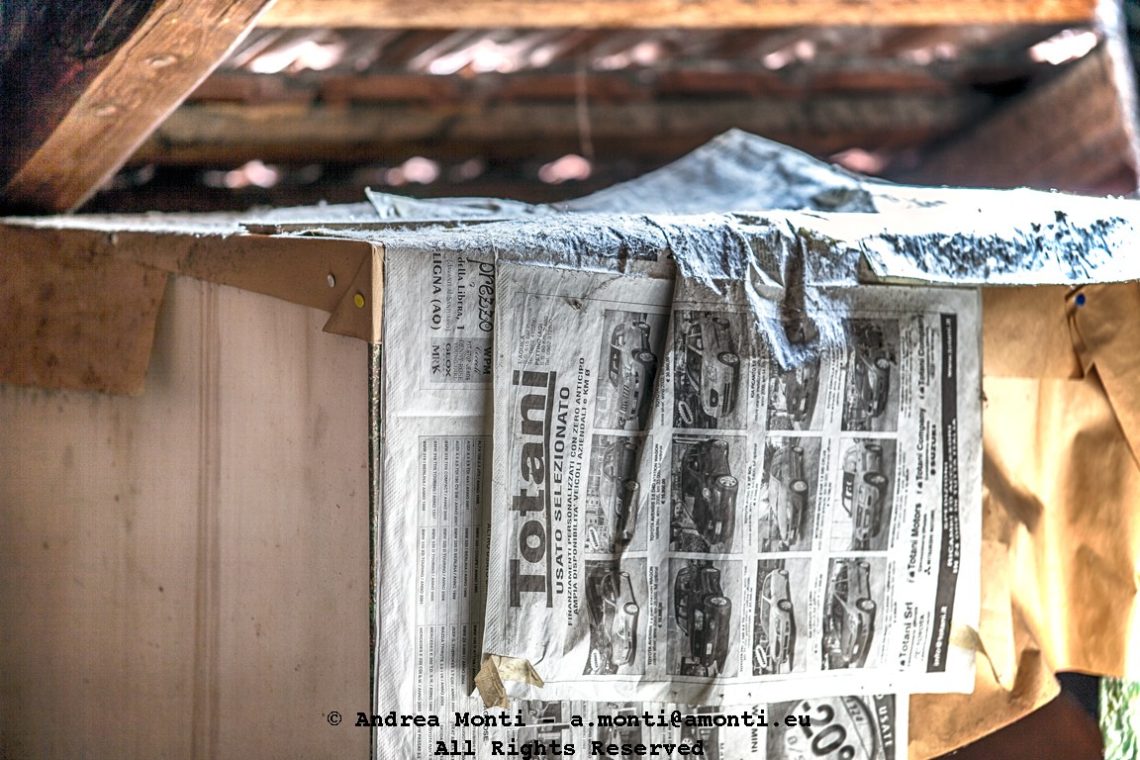
A scrap of newspaper clings to the surface of a wooden beam, yellowed by time, softened by dust. The print advertises used cars, once a promise of mobility and new beginnings, now only a faded record of another era. Above, the roof beams reveal gaps, through which light seeps, fractured and uncertain, illuminating what remains. The photograph works in layers: the brittle newsprint, the rough wood, the dim background of tiles and sky. Each element bears marks of age, but together they tell a quiet story of storage, neglect, and survival. It is less about the subject itself than about what it represents—the persistence of the ordinary beneath the erosion…
-
The Hamlet’s Dilemma
-
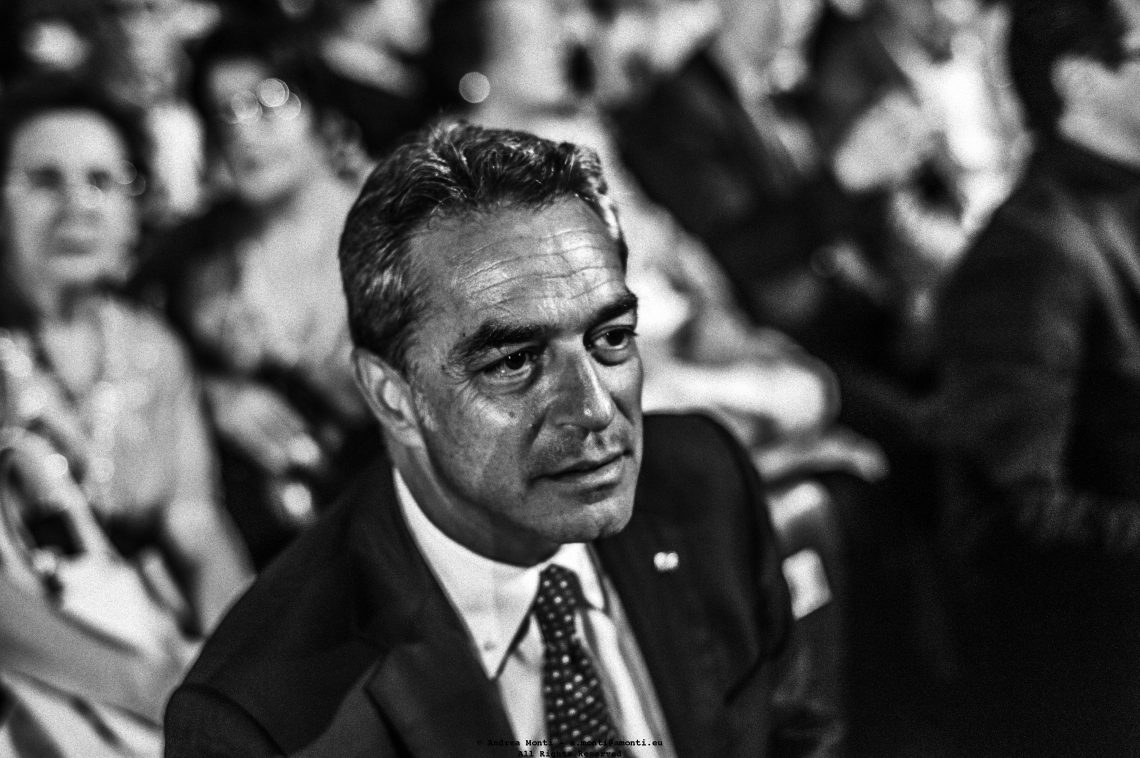
Portrait of a politician – 1
There’s a certain pleasure in photographing with the Leica M9—a camera that rewards precision and patience rather than machine-gun bursts. This portrait was made in a crowded hall, the politician seated among an audience whose attention was turned toward the stage. The light was far from forgiving, a mix of weak ambient and uneven spot sources, but the M9’s sensor responded with a tonal richness that digital cameras often lose in harsh conditions. I chose to work wide open, which gave me the shallow depth of field needed to isolate his face from the visual chaos around him. The crowd dissolves into a swirl of shapes and tonal smudges, leaving…
-
Street Compass Rose
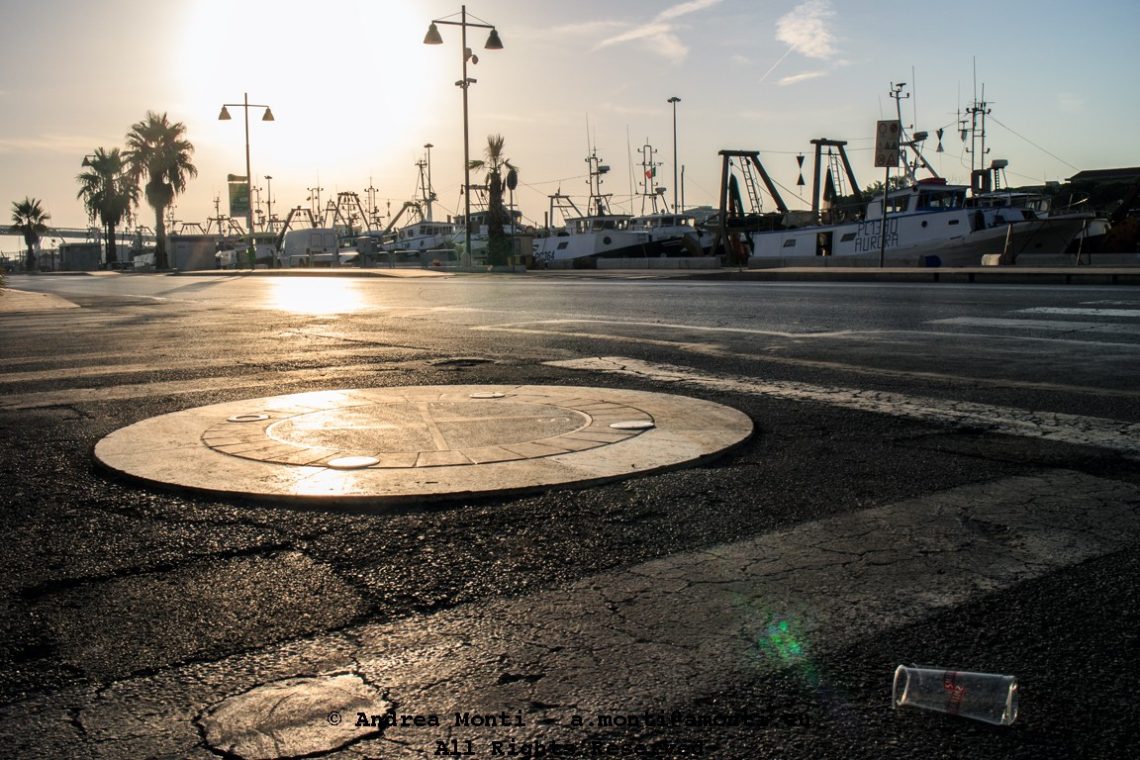
There’s something both poetic and ironic about finding a compass rose embedded in the tarmac — a relic of navigation sitting just a few metres from a working fishing port, in an age where most people rely on satellites to find the nearest café. I came across this one early in the morning, when the sun was low and the light had that burnished quality that makes asphalt glisten. The framing here was deliberate: I chose to crouch low, letting the compass rose dominate the foreground, while the fishing boats in the distance anchor the background in place. This low perspective exaggerates the texture of the cracked road surface, contrasting…
-
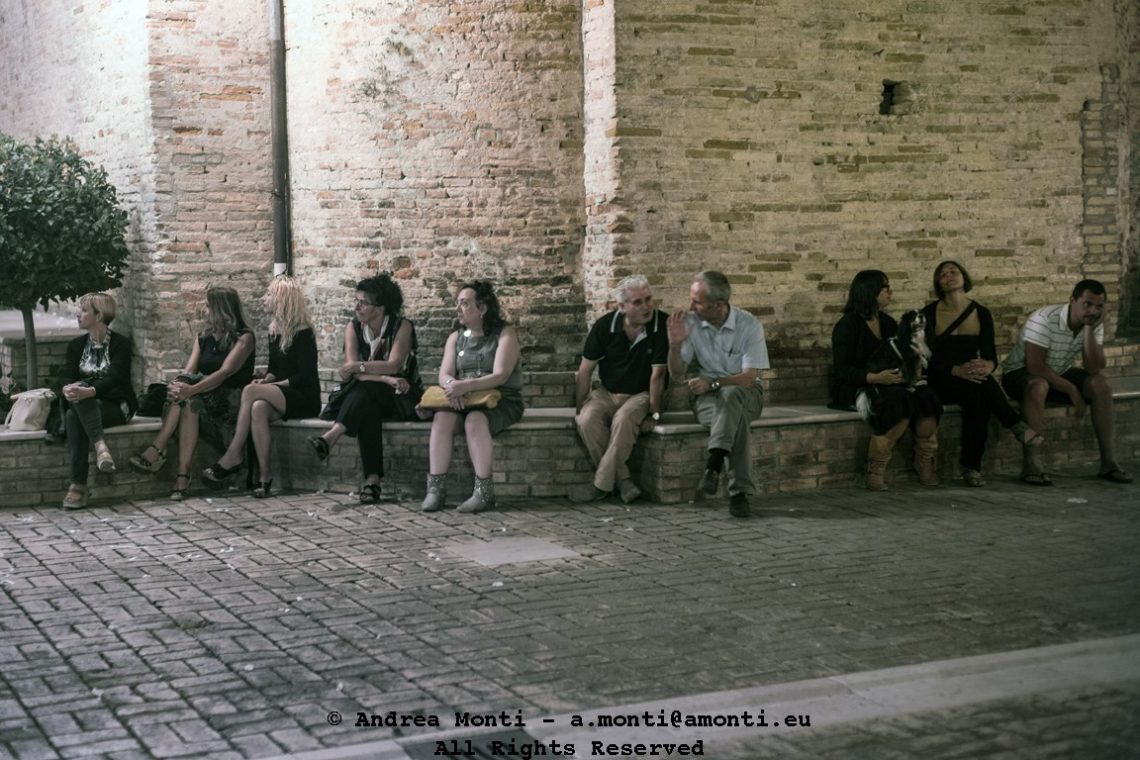
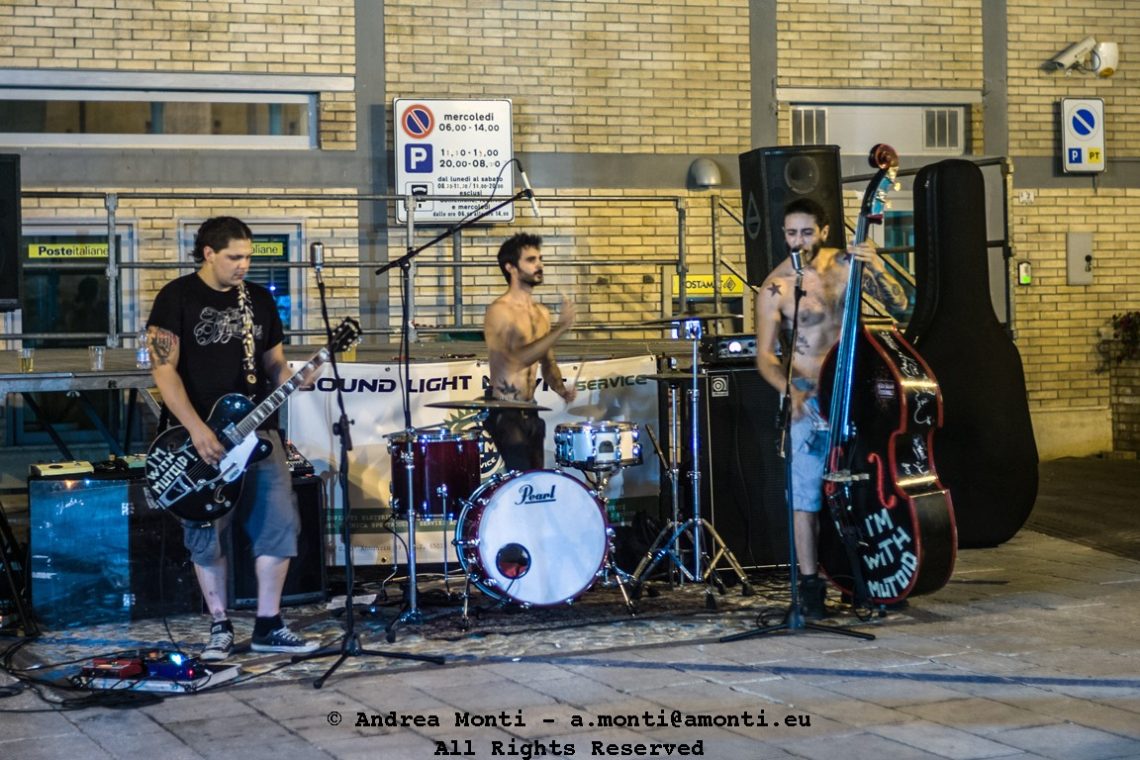
The Audience (Not a Rock Concert, Indeed)
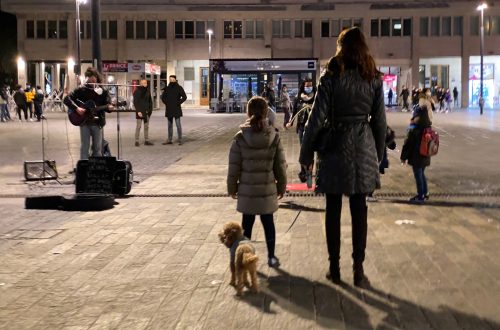
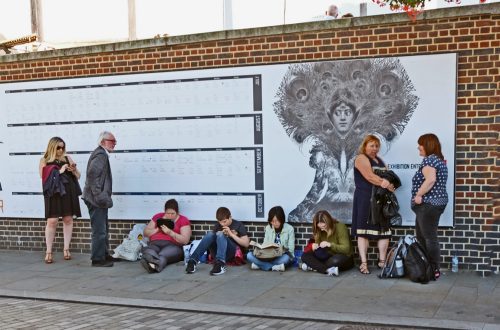
I made this photo during an outdoor performance to begin. What drew me in wasn’t their anticipation, but their fragmentation. Each group was self-contained, bound by conversation, silence, observation, or fatigue. Shot wide, the frame flattens the scene against the warm, textured backdrop of ancient brickwork. The wall itself becomes part of the composition—silent, immovable, almost performative in its presence. Light was fading, diffuse but uneven. I didn’t push the ISO too hard; I let the image soften in the shadows and hold detail in the mids. Skin tones are desaturated but honest. I made no attempt to brighten it into clarity. This is dusk, and it should feel like…
-
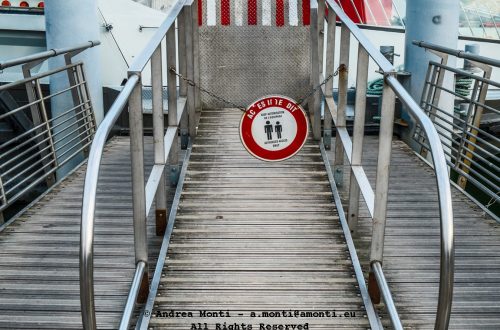
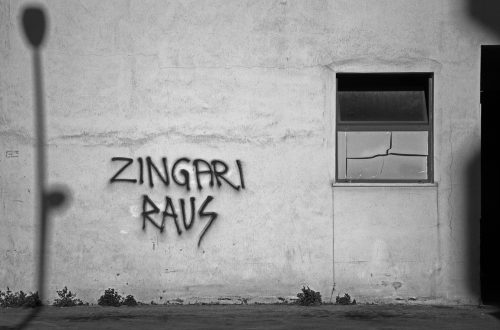
Barbarians at the Gates
-
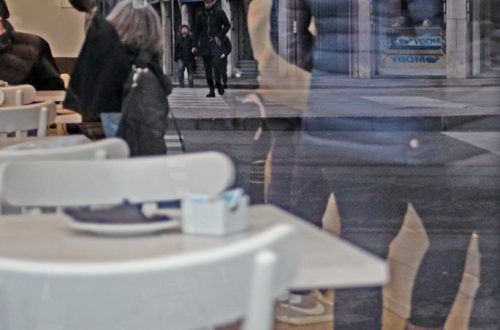
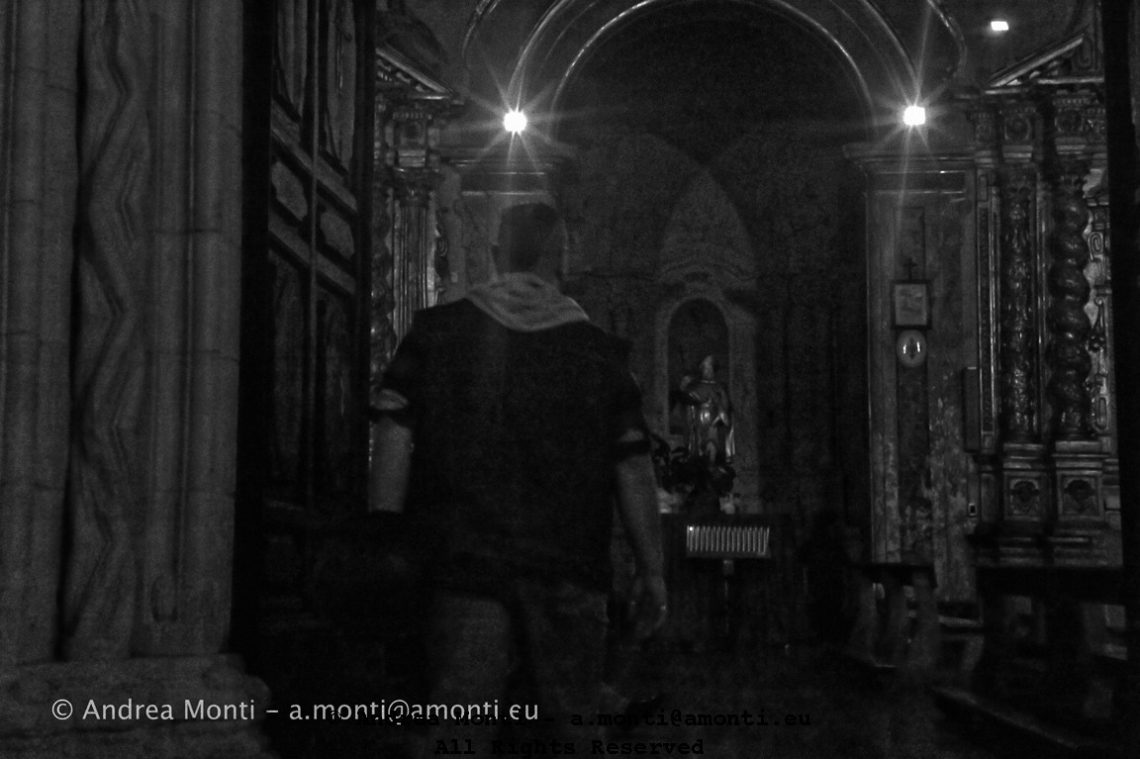
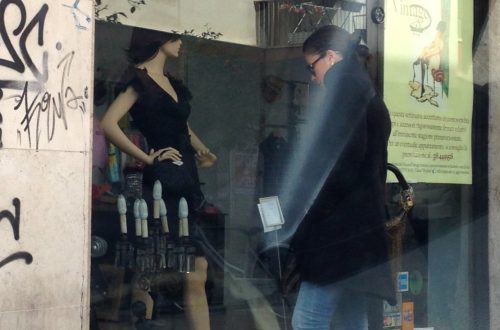
A ghostly bystander
How long was he staying there?
-
Stairway to nothing
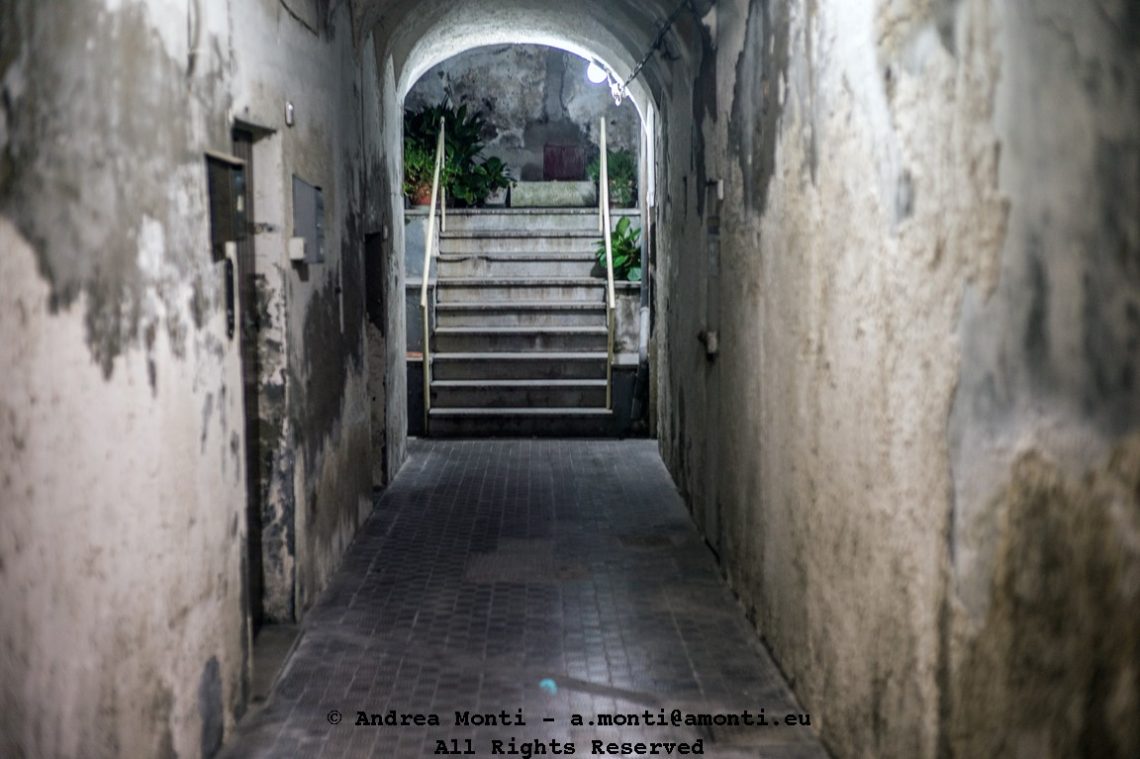
It was the kind of place you don’t really notice. A narrow passage, cracked walls, peeling paint, dim light. The kind of corridor you pass through without stopping. Unless you’re carrying a camera—and a little curiosity. I called this frame Stairway to Nothing when I first saw it on the screen. The name came unprompted. It just fit. The stairs are real, but lead to… what, exactly? A dead-end, a blank wall, maybe a half-forgotten door. You get the sense there was once purpose here—function, traffic, even a rhythm. Now it’s just remnants. A railing to hold on to, steps still intact, pots of green fighting back against the concrete. This wasn’t…
-
In a yellowtone…
-
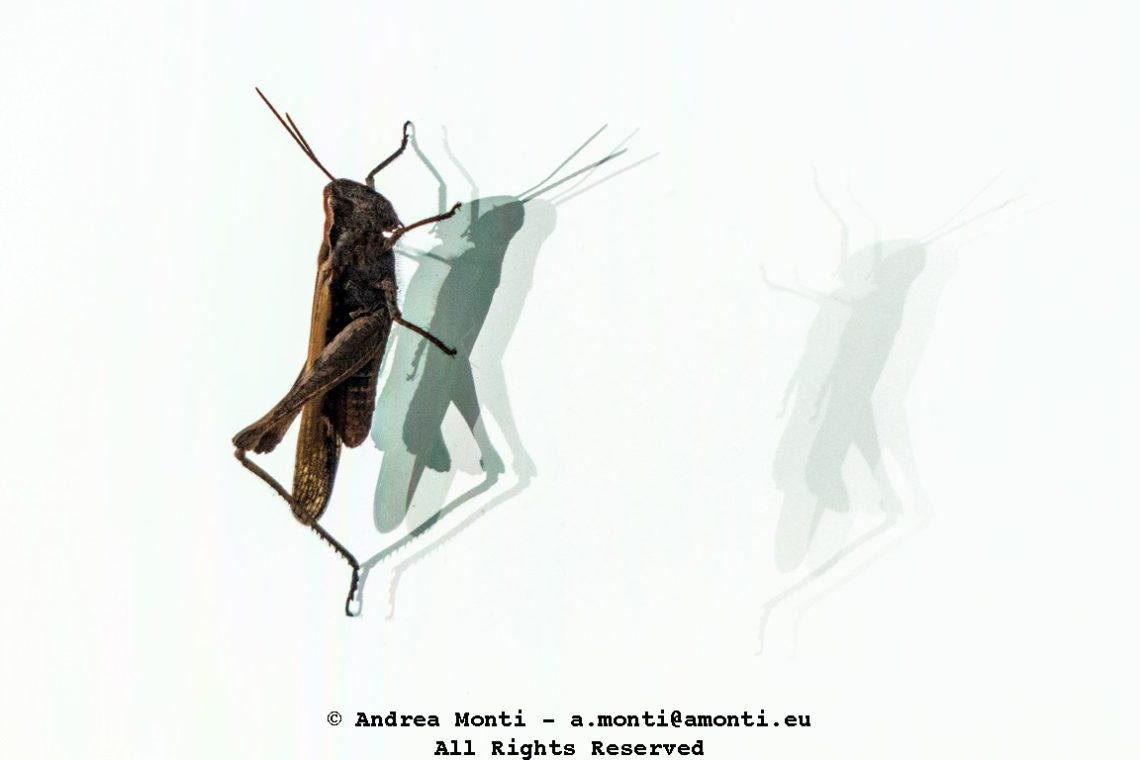
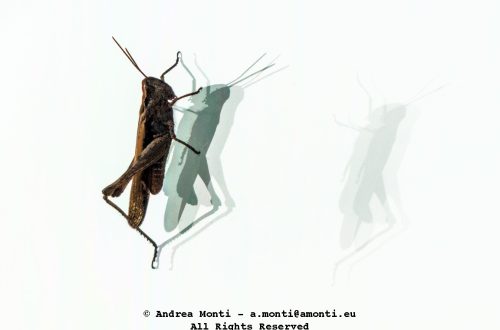
A true cricket?
Trust me, this is a real photo.
-
Rockabilly
Not stylish, not “clean”, not “intellectual”… but damn fun!!
-
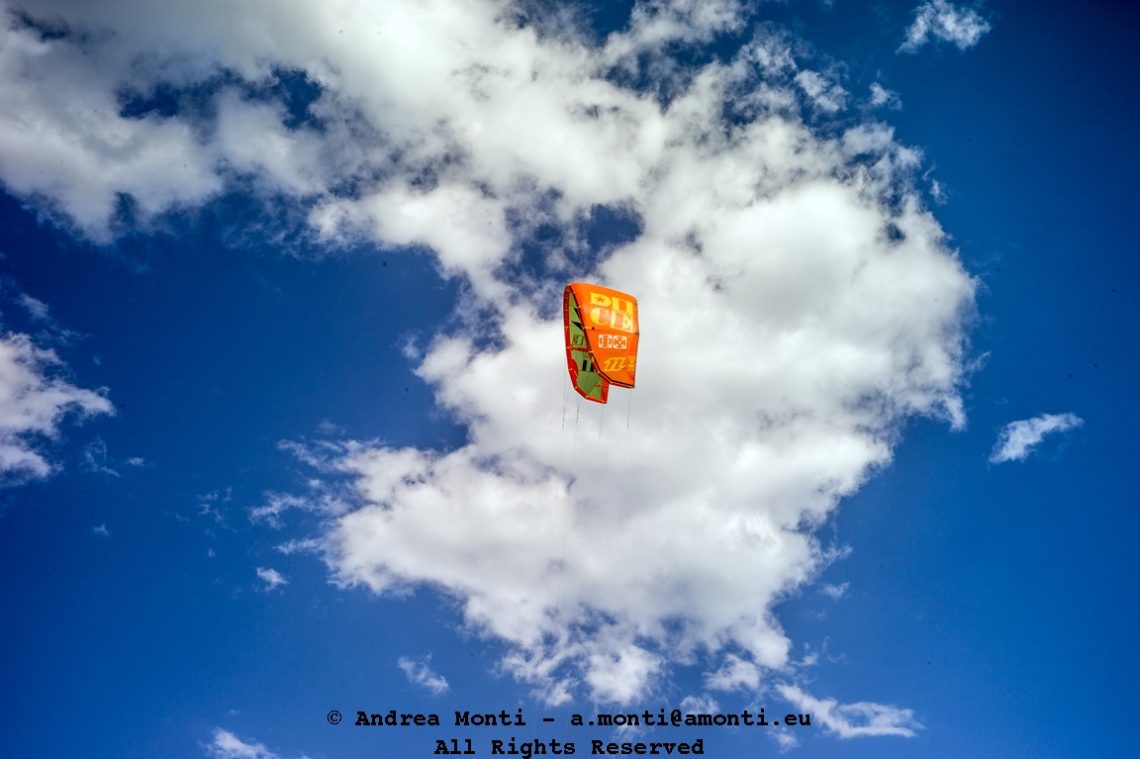
Parachute
Didn’t have a wider lens, so I got the most interesting part of the frame…
You May Also Like
Is Batman Coming To Town?
Weight Training @ Rome’s Stadio Olimpico
An Old Wi(n)dow
-
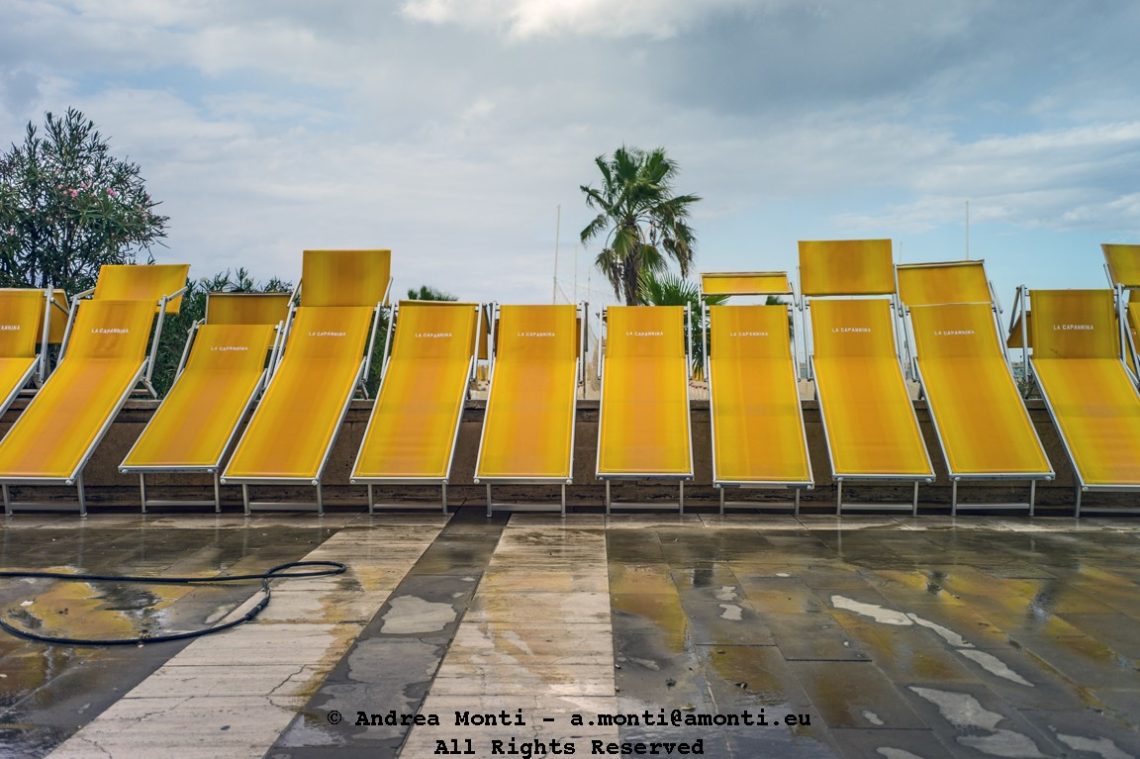
L’estate sta finendo…
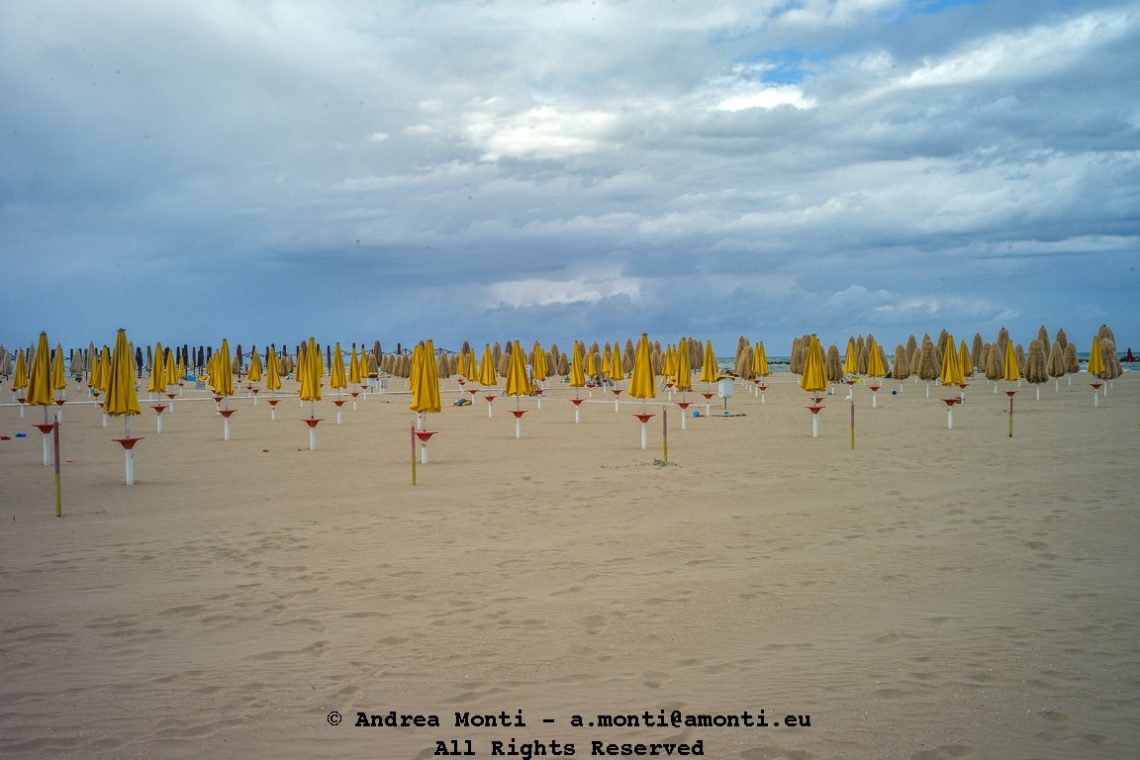
L’estate sta finendo (the Summer is going to end) sang and old tune by The Righeira. It might have been a carefree Italo Disco anthem, but here its title feels almost literal. In this image, the end of summer is measured not in falling leaves, but in the silent rows of yellow sunbeds—upright, slightly askew, ready to be cleaned and stored. The repetition of form is the photograph’s backbone. Eleven chairs (or nearly so—one is cropped out on each side) form a neat yet imperfect line, their bright fabric glowing against the more muted tones of the stone and the soft grey-blue sky. The high-key yellow works almost like an…
-
Night Serenade
Is there anything more romantic?
-
Come on in…
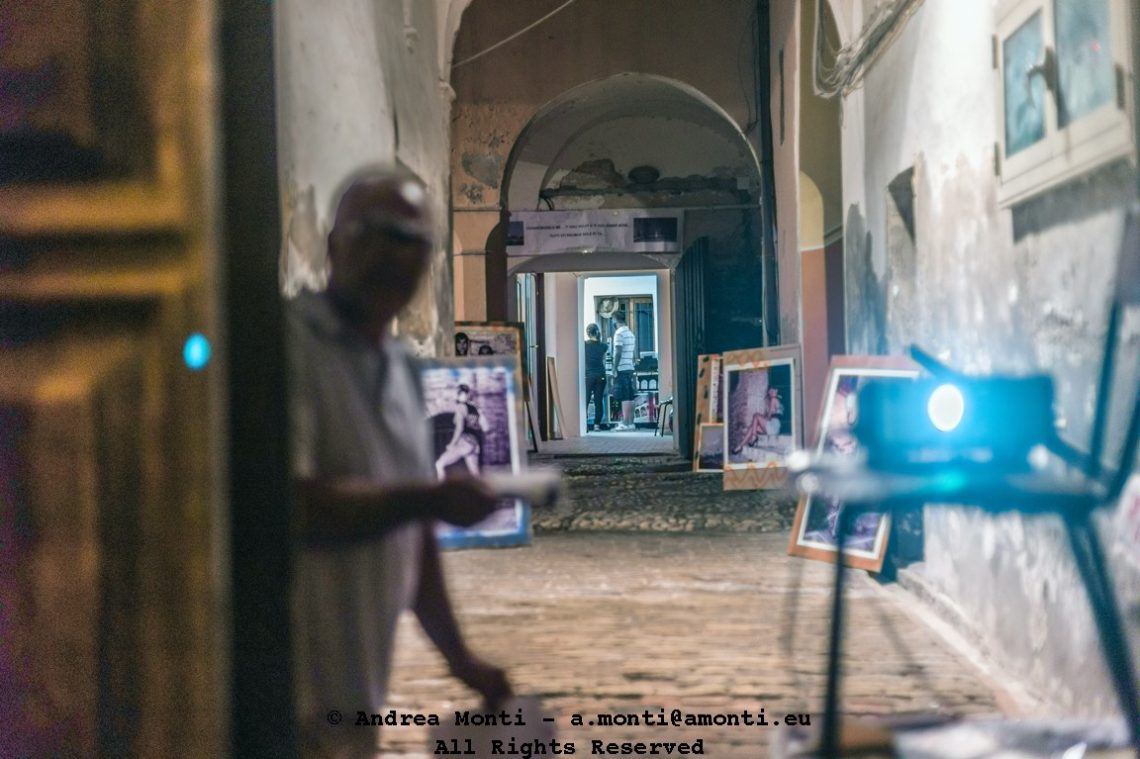
What will you find at the end of the corridor? The frame pulls you inward. The eye enters through the shadowed foreground, past the blurred figure standing half in, half out of the light, and begins its slow walk down the corridor. The walls, cracked and weathered, carry the patina of time. Arched ceilings recede rhythmically, each arch framing the next, each doorway leading you further inside. Along the path, framed photographs lean against the walls, their colours softened by the dim light. They are not hung with formality; they rest casually, like travellers waiting to be claimed. The projector to the right hints at moving images, yet here, everything feels…
-
Seeking Directions – Where Do I Go From Here?
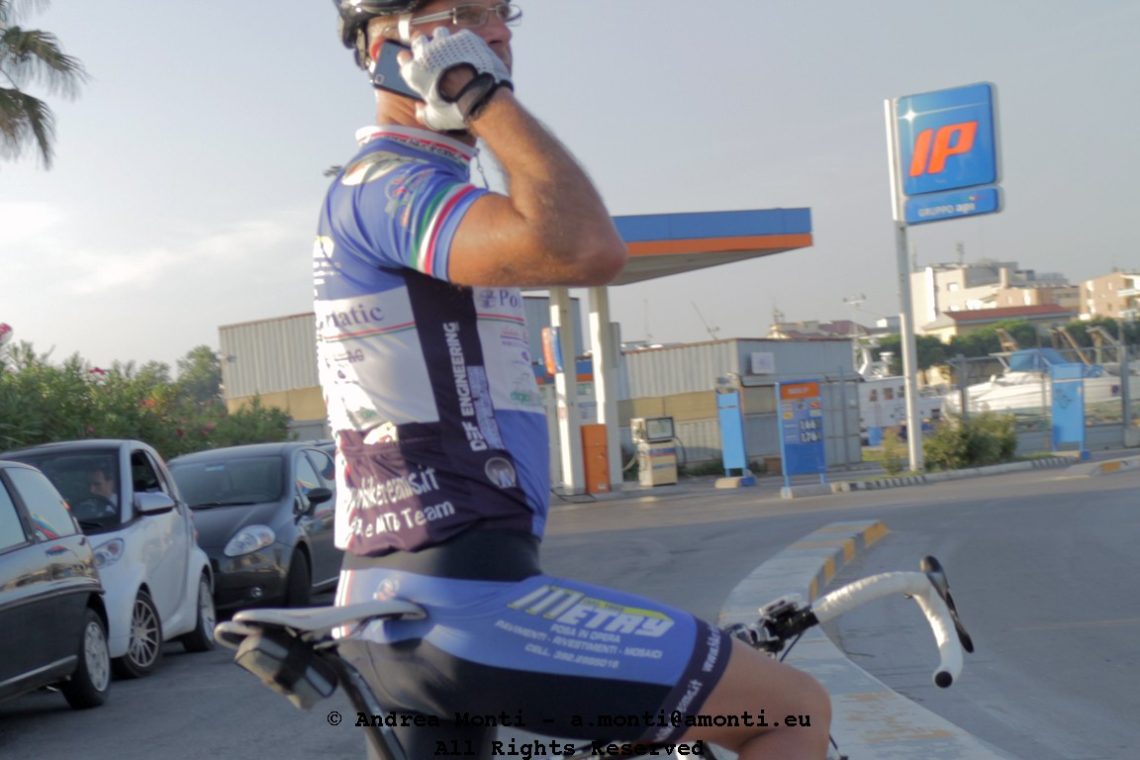
The cyclist wasn’t posing. He’d stopped to make a call, mid-ride, still straddling the saddle with the indecision of someone caught between stages. I didn’t ask. I just raised the camera and took the frame as it unfolded. The gas station in the background plays its part—logo sharp, prices legible, a quiet indicator of place and time. The contrast between high-performance cycling gear and the mundane infrastructure of the city gives the image its friction. It’s not a sports photo. It’s about movement interrupted. Shot handheld in late afternoon with fading light, the exposure was tricky. Highlights bounced off his helmet and the glossy panels of nearby cars. I dialled…
-
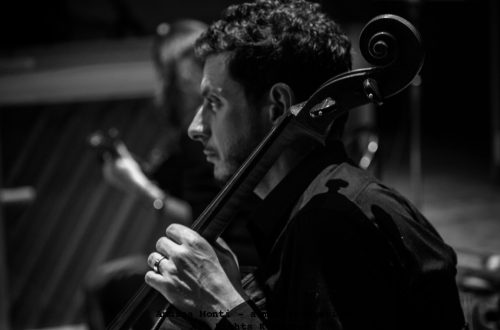
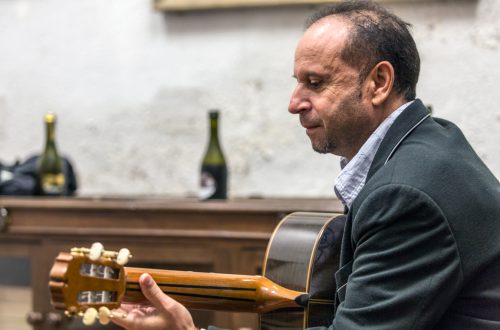
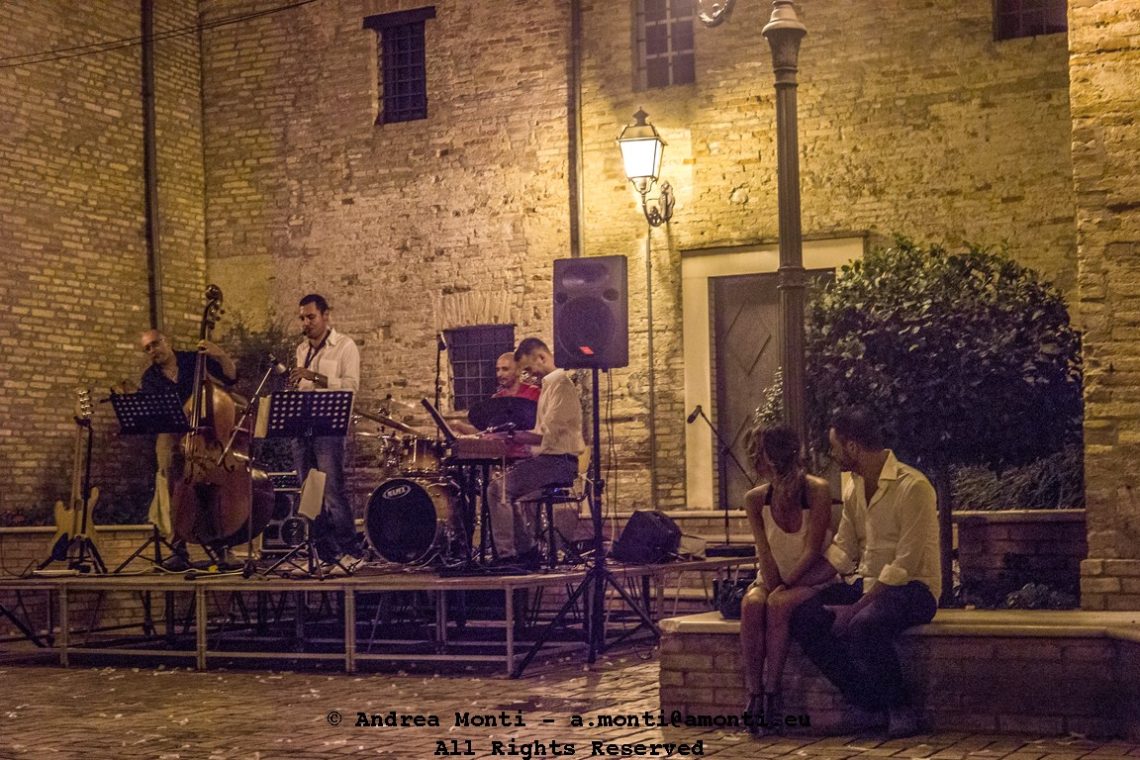
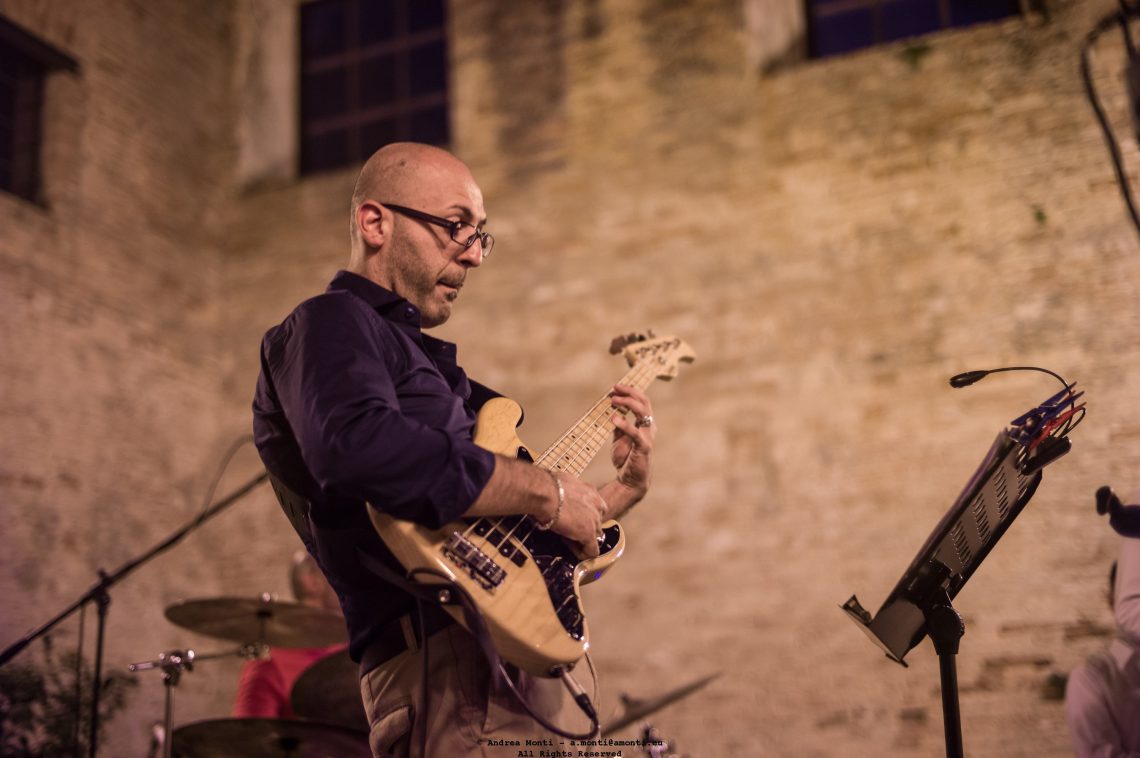
Nico Cilli Band@Chiostro Comunale – Città S.Angelo
A few shots from a reportage I did during a jazz gig.
-
Reminiscenses From The Past
Lost in memories, while the world turns.
-
The Casual Observer
-
Peeping the Misery
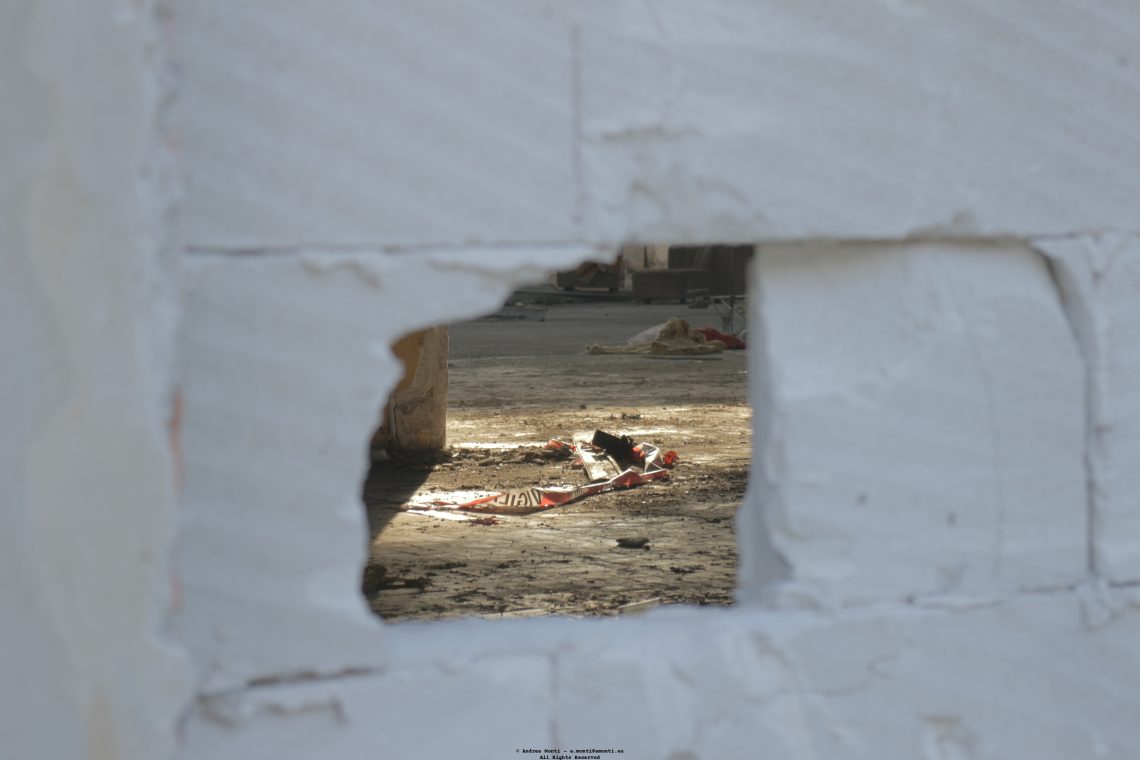
A rough opening in a white wall becomes the frame. The edges are jagged, still bearing the scars of whatever blow created them. Through it, the eye is led into another world—a dusty, abandoned space where sunlight slices across the ground. On the floor lies a tangle of debris: fragments of cloth, splinters, and what seems to be a torn banner, its once-bright colours now dulled. The text on it is broken, unreadable, a language interrupted. In the background, shapes blur into shadow—remnants of furniture, perhaps, or the skeletal remains of another wall. This photograph is about looking in without stepping in. The viewer is held at a distance, forced…
You May Also Like
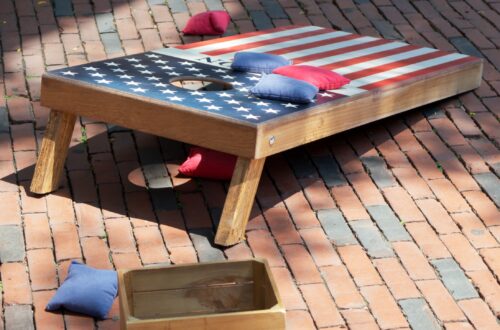
A Cornhole Board – Independence Day Edition
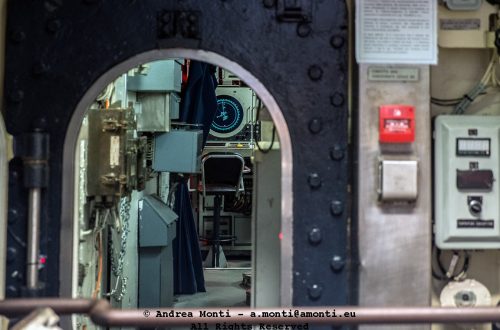
Inside the Nazario Sauro
Upcoming Call