-
Photography Does Not Exist (Until the Eye Makes It)
Foreword This post is the first of a series meant to organise in a logical and structured corpus the ideas collected in this blog throughout years of taking photos in various environments. Introduction A preliminary misunderstanding that should be addressed immediately is that a photography does not exist per se. The photograph begins only when the eye intervenes—when it selects, isolates, and organises a continuous visual field indifferent, in itself, to interpretation. This means that an image is not discovered but constructed, and this construction may even fail, as when a narrative is imposed that later proves to be incorrect. From the outset, therefore, photography must be understood as an…
-
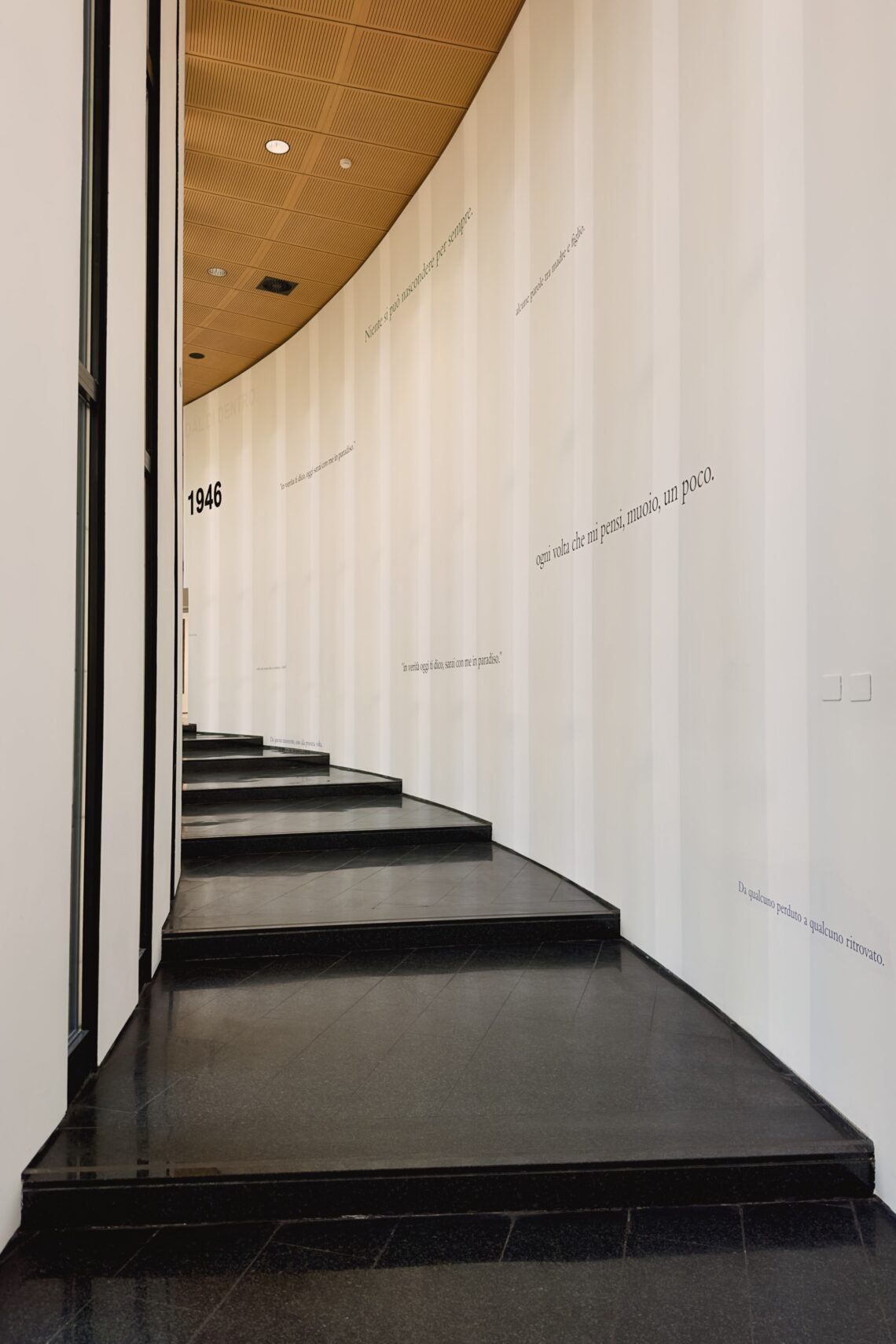
MARTian Stairs
The Museum of Modern and Contemporary Art of Trento and Rovereto —MART, in short— is a place that definitely worth a visit, should you be traveling across the Trentino-Alto Adige region of Italy. Its main facility, an architectural masterpiece in itself, is located in Rovereto, a small town about half an hour (by car) from Trento. Unlike many small, old Italian towns, which often only have one main attraction, such as a monument, castle or nobleman’s palace, Rovereto is different. The town itself is an attraction, as it was the place that Fortunato Depero — one of the giants of ‘Second Futurism’ — made its centre of gravity, by opening…
-
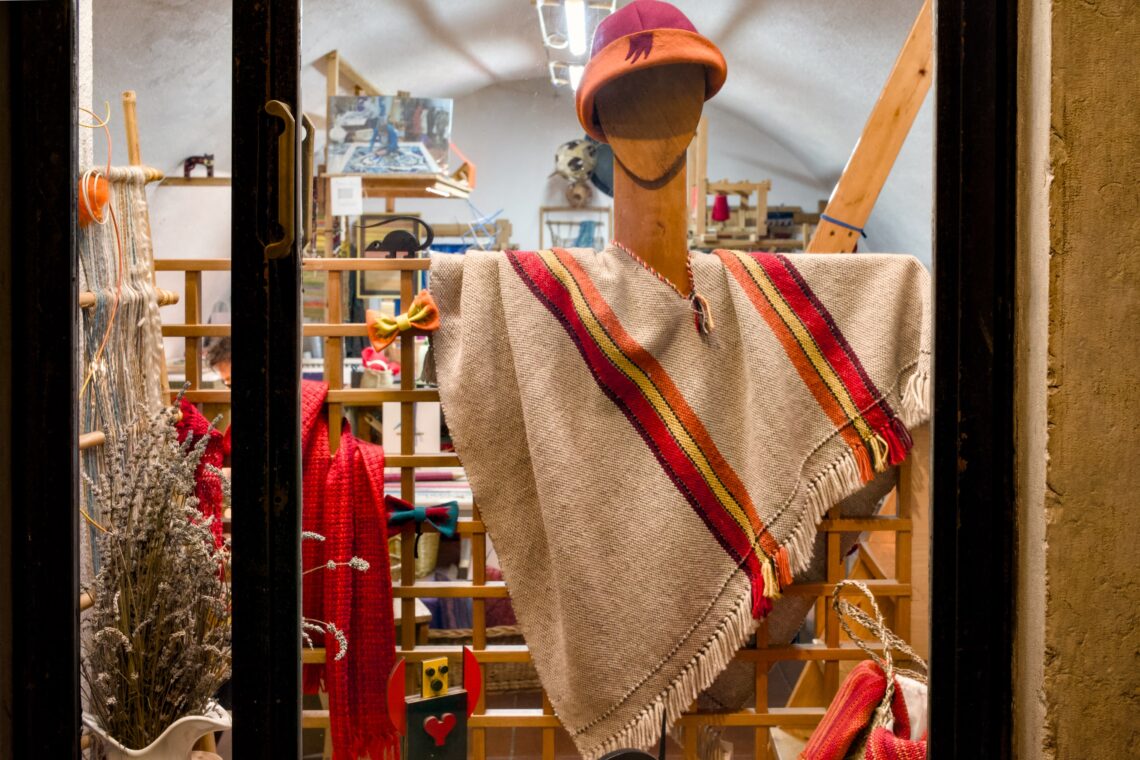
A Knitting Shop in Rovereto
During a casual walk in Rovereto, a lovely town in the Trento province, I stumbled upon a knitting shop. The display was full of bags and other items for sale, only, it was not a just a shop, but an actual factory where a the craftman was working on his weaving loom. In an age where mass production is the norm, luxury is often equated with displaying a logo rather than enjoying a product’s quality, it is almost hypnotic to witness the transformation of raw materials into useful and attractive items through human ingenuity. So, after spending a few minutes observing how the individual threads were being woven into a…
You May Also Like

Traffic Jam in Bruxelles
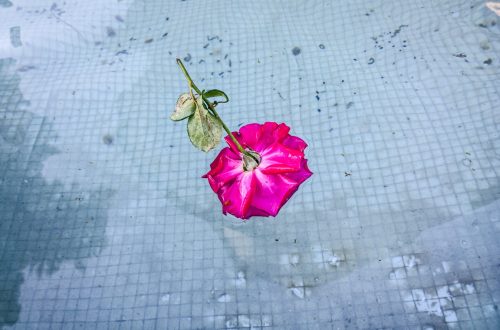
Floating Flower
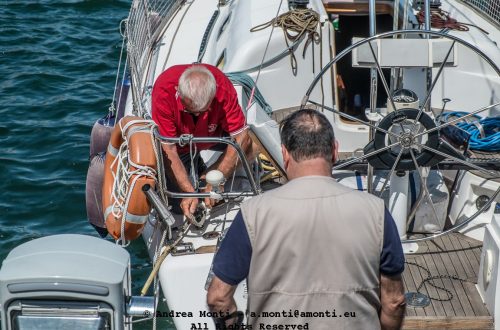
Boat Maintenance At Genova’s Porto Antico
-
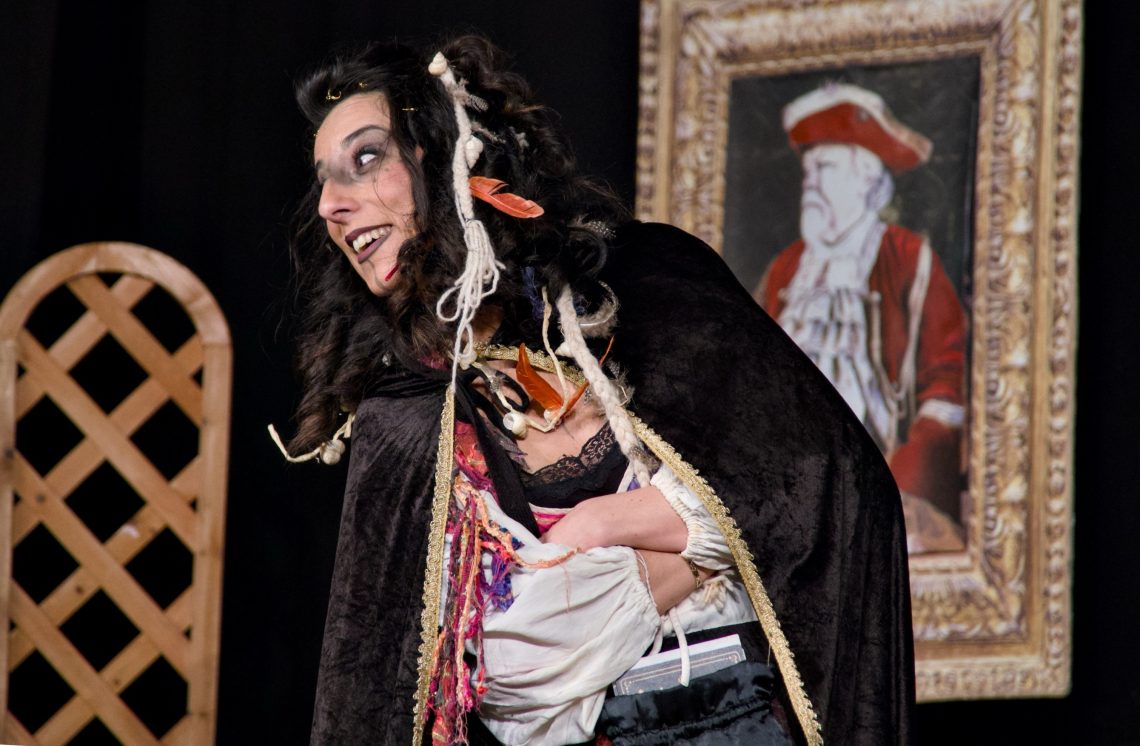
The Sorcerer
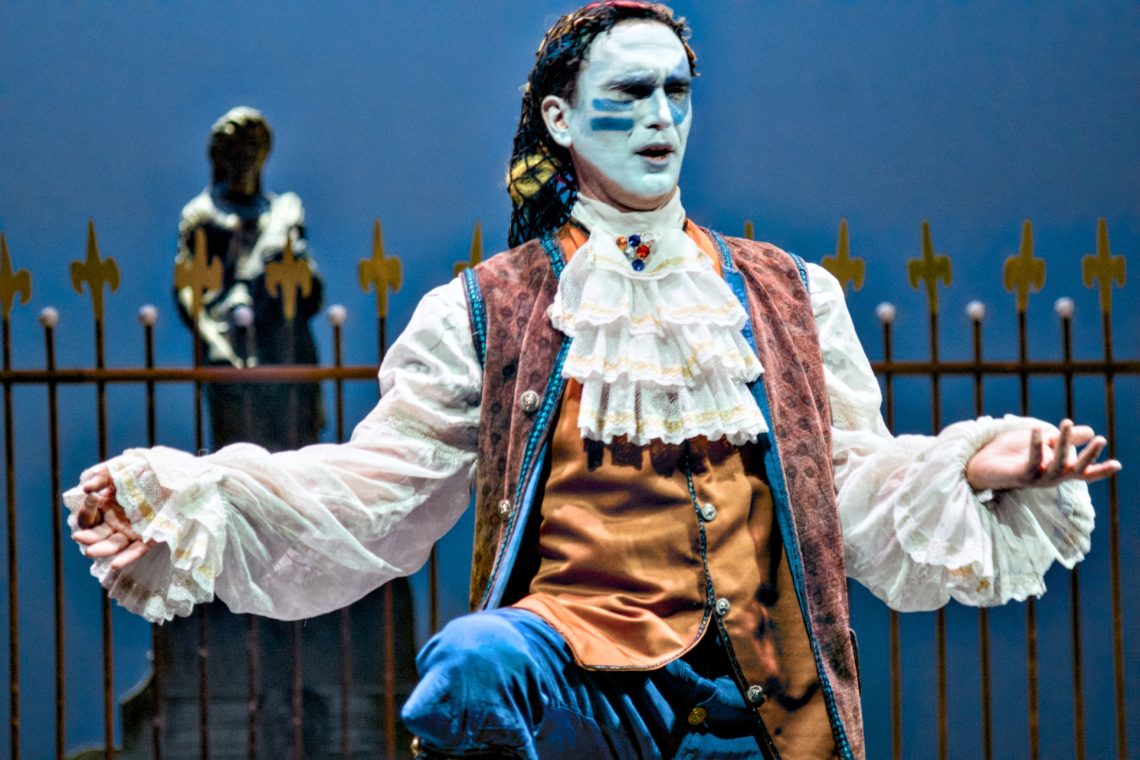
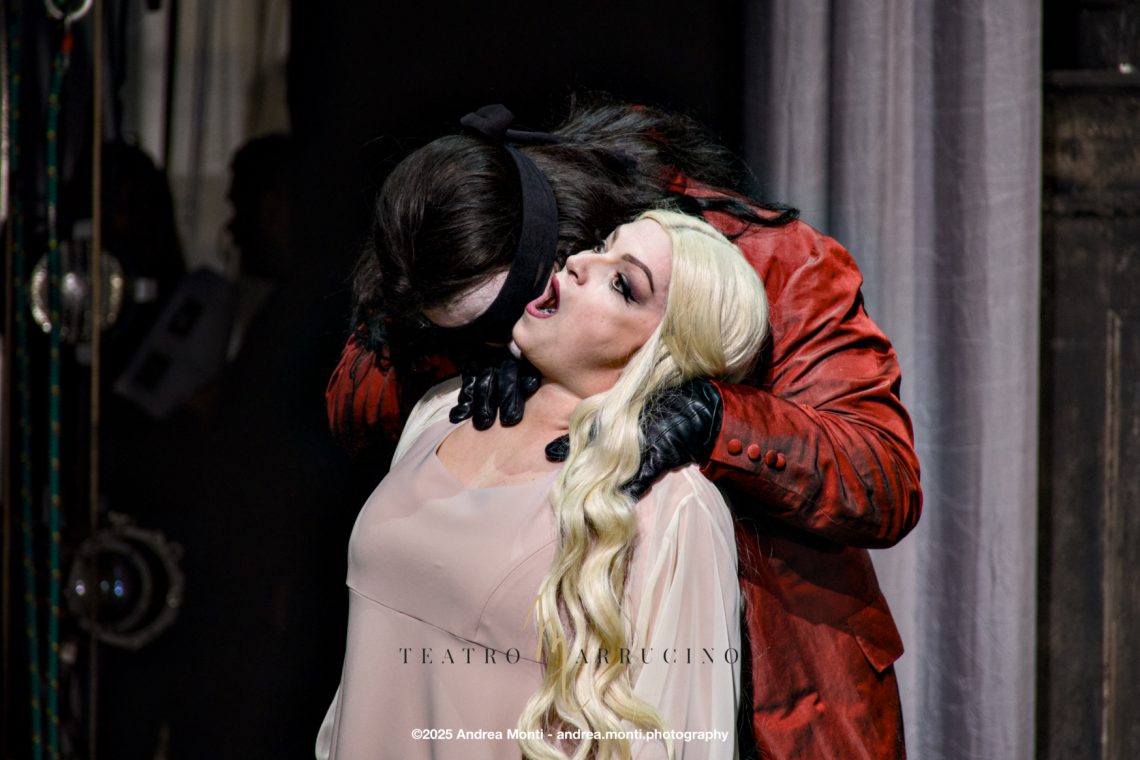
This is a photo taken from the reportage of an actors’ collective’s ‘opera prima’. This time, the venue was a smaller theatre than those I usually work in. This meant there was less room for movement and only a few limited angles from which to take the shots. As a result, I mainly framed shots from below stage level, with very little freedom to move laterally. This forced me to rely almost entirely on timing rather than geometry. I therefore tried to draw the viewer into an uneasy proximity with the figure. This enabled me to focus on capturing expressions to reveal the character’s psychology.
-
Breaking Through
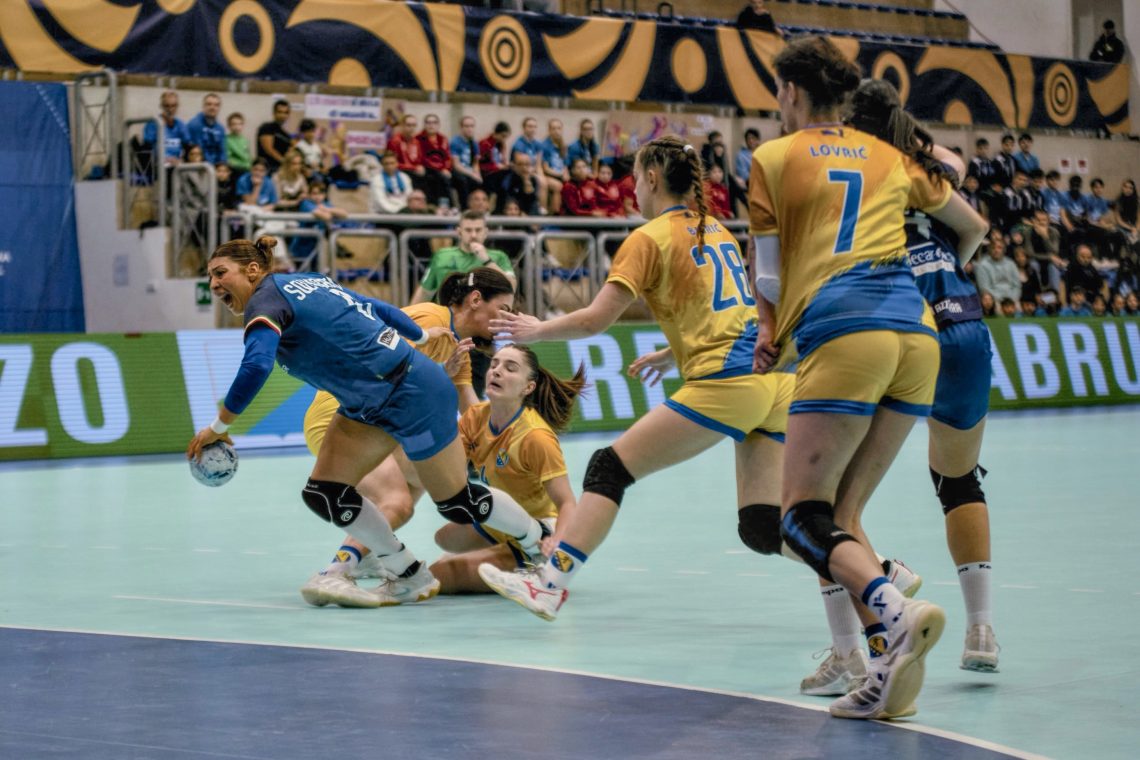
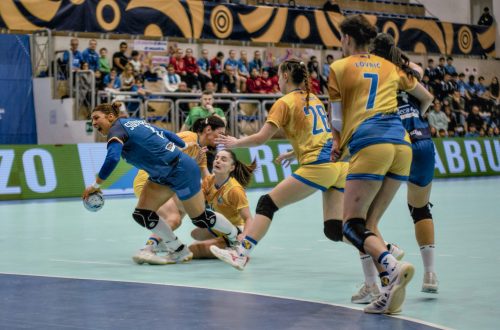
This is one of the photos I took while courtside at a women’s handball match between the Italian and Bosnian national teams. I was there as part of the sports photography seminar I run at the university where I also teach sports law. This is why I had to produce teaching materials using a number of pieces of equipment and techniques, ranging from prefocusing with full manual lenses to fast target acquisition and single shot.
-
Professional Courtesy
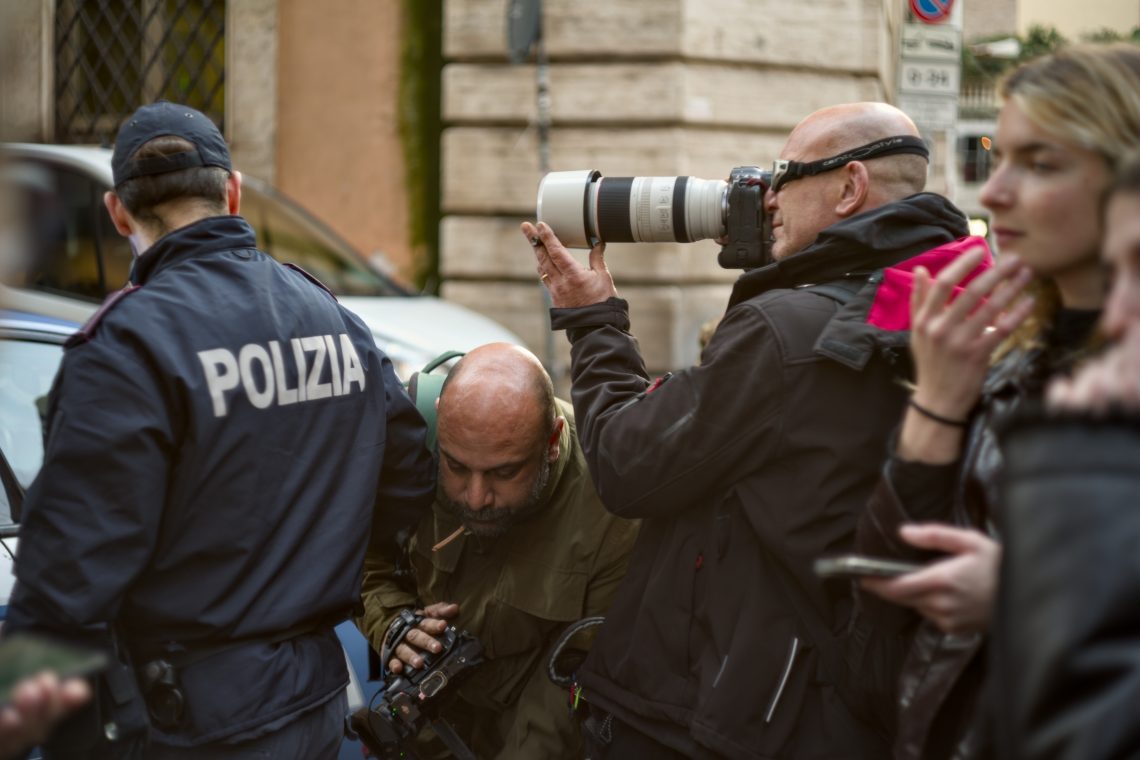
Chasing news lies at the core of any journalist’s work. The professionals who walk the streets instead of enjoying the comfortable seats on talk shows, discussing ‘life, the universe and everything’ (cit. Douglas Adams), are like sharks with a sense of blood. They can smell news from a distance or are part of an ‘intelligence’ network that tells them what and where. Indeed, photojournalists experience a particular challenge: reclaiming a vantage point from which to take the shot. This necessity often ends up in being ‘assertive’ when entering a scene or ‘elbowing’ those nearby to make room. Sometimes, though, there is also a show of professional courtesy, like in this photo…
-
Misfocused Photo’s Quick Fix with ChatGPT and Nano Banana
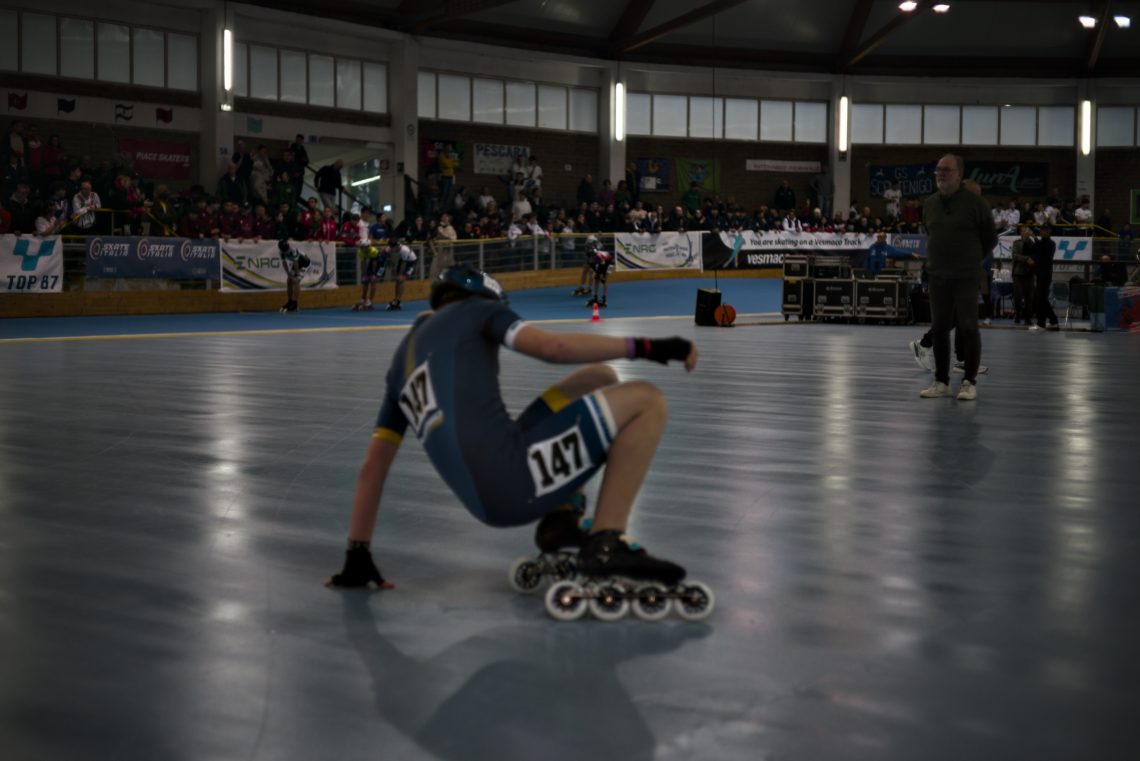
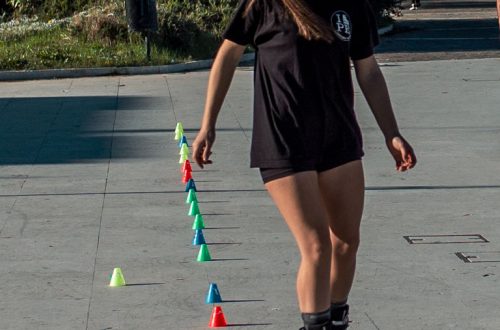
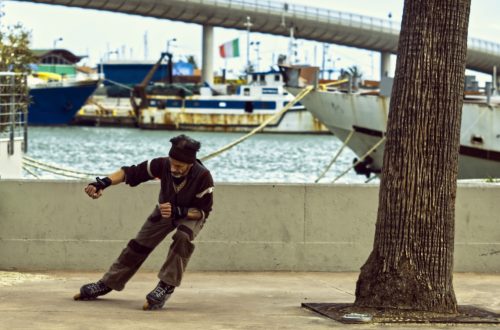
When on an assigment I often take with me a second camera with a vintage lens. This is a way to test old glasses along modern ones, without risking failure. Every now and then, therefore, I switch from the work gear to the personal one to give it a try. Sometimes I get good results, some other times I don’t, like in this shot taken during the 2026 Italian Skating Championship. As it is apparent, I misfocused the skater trying to get up, so the photo turned out as an egregious miss. As they say, however, I exploited the mistake to turn a problem into an opportunity. So I decided to…
-
We Make Cars, Not Videogames – An independent proof-of-concept in AI-made advertising
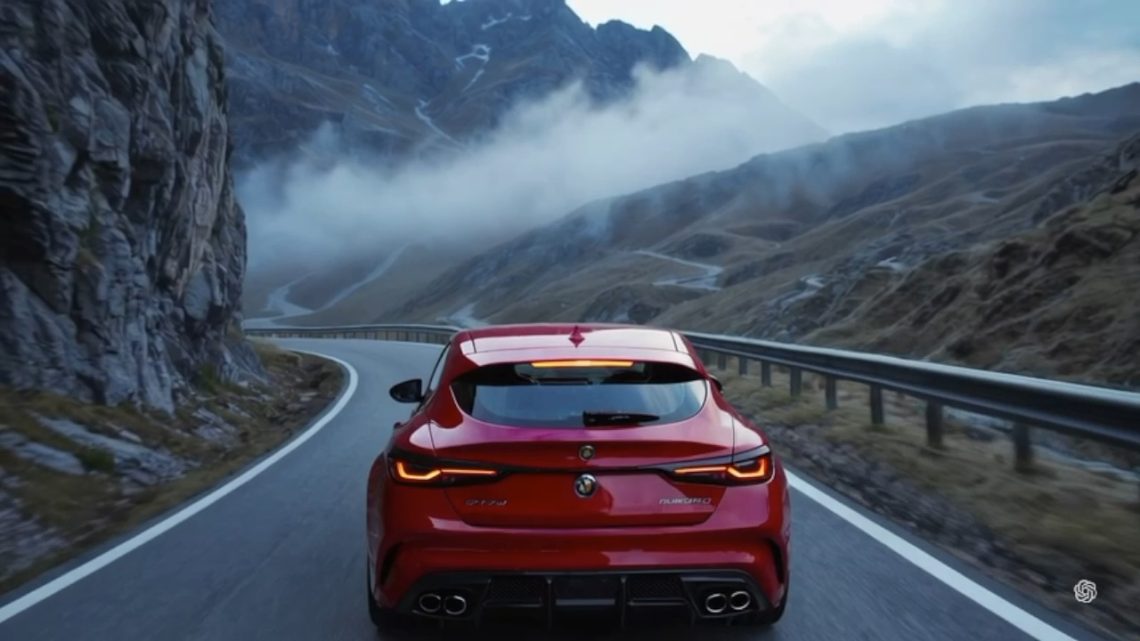
This video is a proof-of-concept for a short advertising campaign entirely designed and realised with an AI service. A bona fide brand, Alfa Romeo, was chosen to ascertaining the performance of the AI in a real-life scenario.
-
A Composition’s Dilemma in Black and White
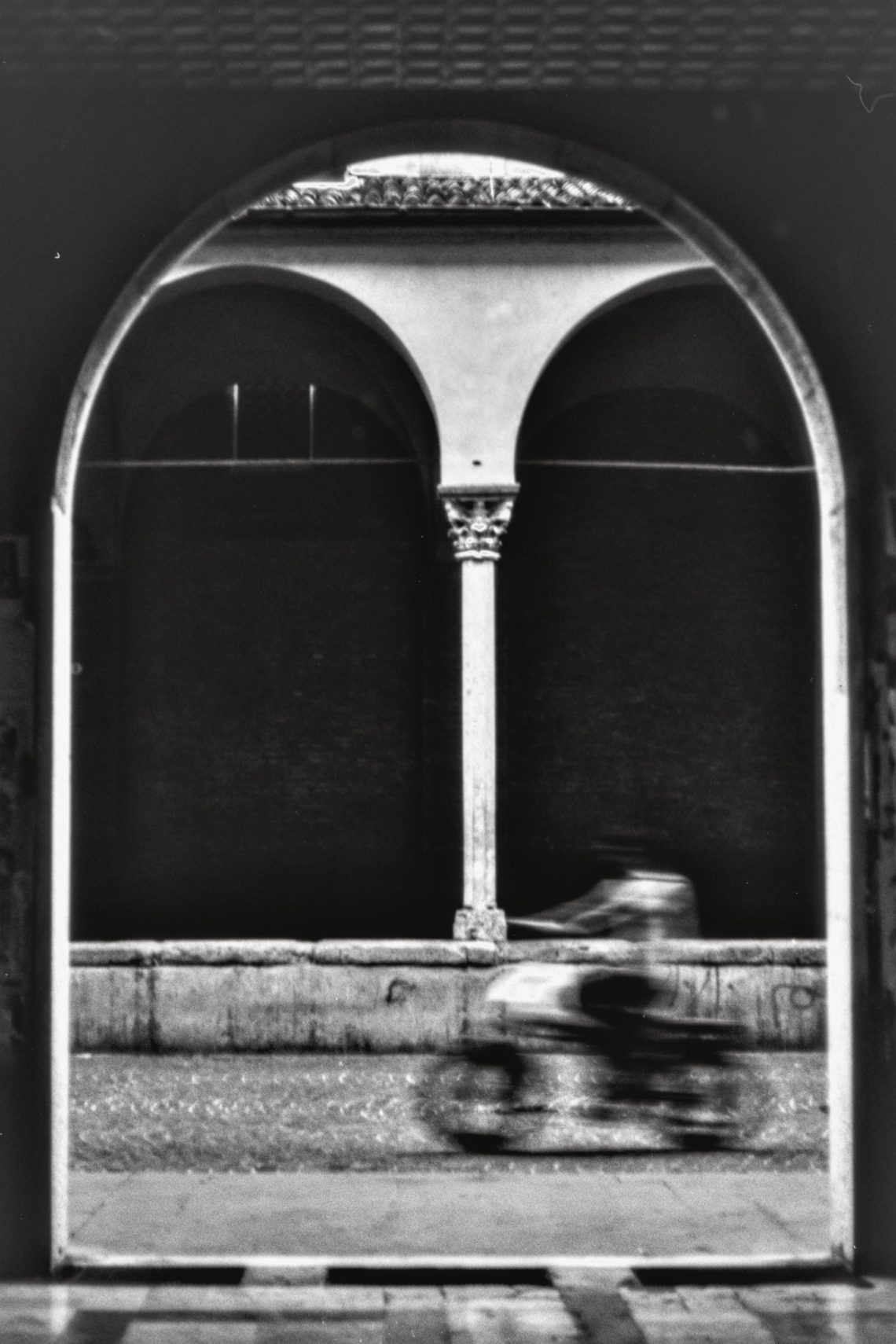
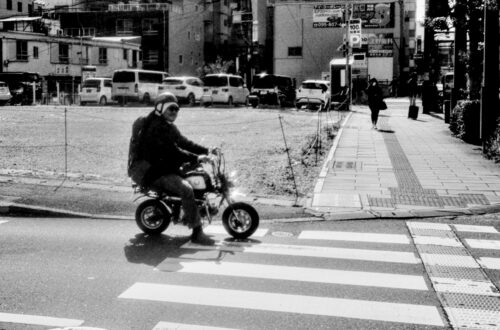
This photo, taken in the centre of Padua, shows a composition’s dilemma. The idea was to explore the usual technique of ‘framing’ a subject within an architectural structure to make it resemble a painting. Actually, though, the main subject, the biker and his vehicle, is more of a disturbance than something worth including in the picture. He runs from right to left, an unnatural direction. Indeed, since we are accustomed to look from left to right and not vice versa, the bikes seems to go outside the frame rather than into it. Furthermore, I should have waited for the subject to be right in the centre of the image. Had…
-
Carl Zeiss Ultron 50/1,8 and Pentax K1 – An Empirical Field Test
Across this set, the Ultron performs as expected: good microcontrast and local separation, reasonably crisp edge definition where focus is placed, and a generally “clean” drawing that still keeps tonal roundness in mid-tones.
-
Zeiss ZM Biogon 35/2 and Nikon Z5. An Empirical Field Test
This is an empirical field test of the Zeiss ZM T* 35/2 Biogon lens mounted on a Nikon Z5. As with all my technical tests, this one doesn’t deal with MTF, coma, fall-offs, etc., as I’d rather focus — pun intended — on the results.
-
Knowledge in the Atelier (or: The First Shot of 2026)
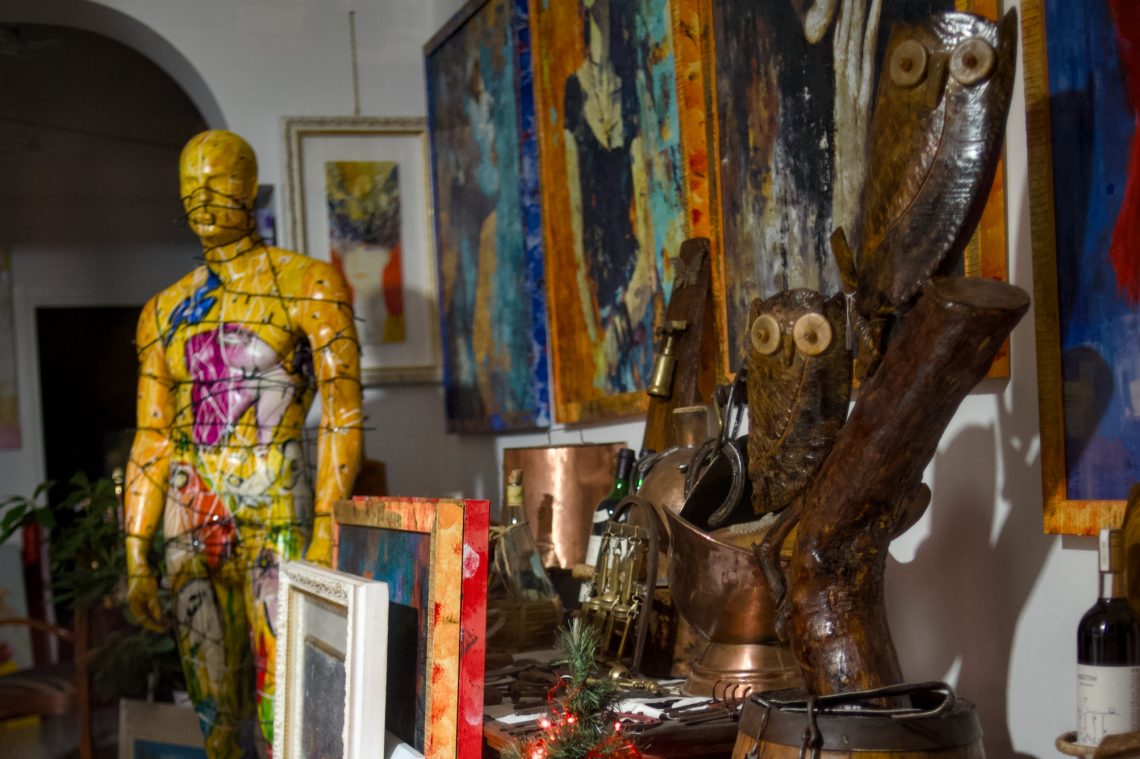
This is my first attempt at taking a photo in 2026. I took it late one afternoon in my hometown, where I’m staying for a few days. My aim was to continue experimenting with the Nikon Z5 and various manual lenses. This time, I used the Nikkor 35 AF-D F2 — an old lens that is still very capable. Technically, the AF-D has autofocus. However, since I am using a ‘dumb’ adapter, I can only use the lens manually.
-
Labour Spilling Into Transit Time
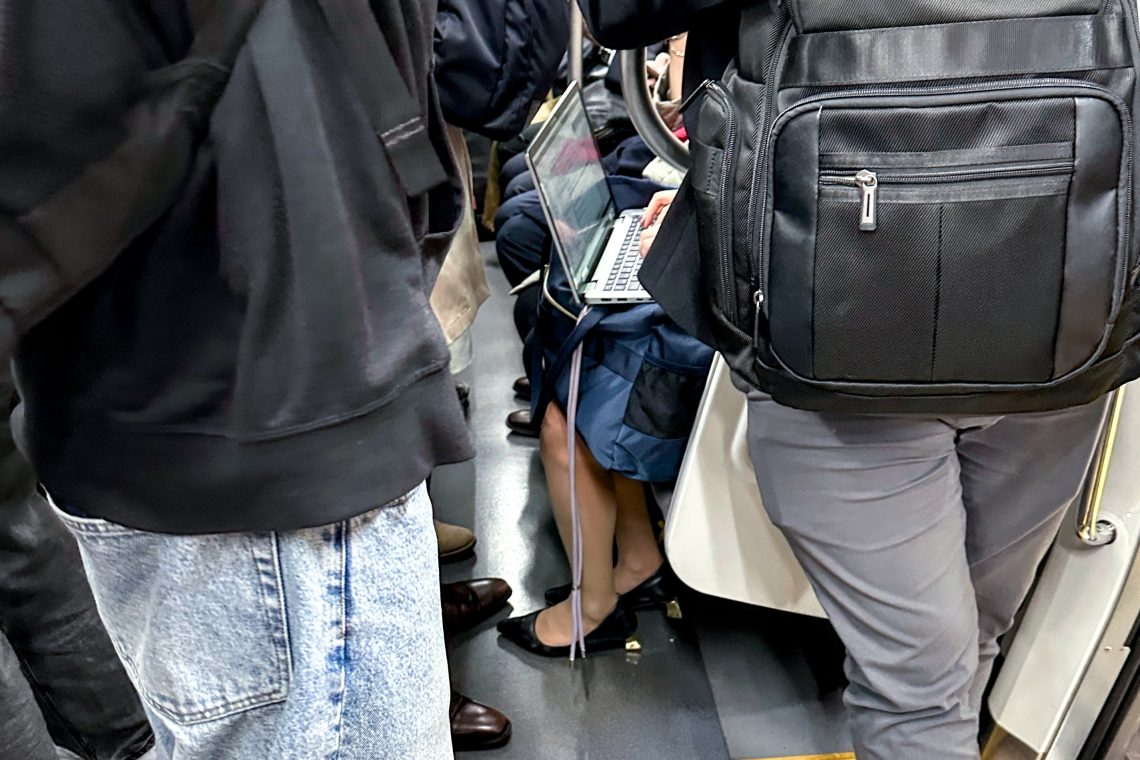
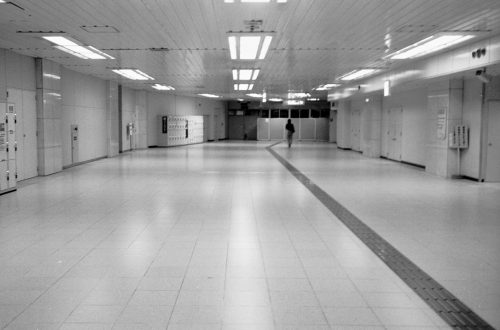
The underground systems in Tokyo, where this photo was taken during rush hours, offer countless opportunities to take interesting photos. It’s no surprise that coaches and platforms are an irresistible temptation especially for foreign photographers. Like every other first-time visitor, years ago I indulged in taking a few pictures in this environment, which, as often happens with photos taken by non-locals, were pretty similar in concept and composition to countless others. This is why I slowed down and tried to make sense of a photo before taking it (not only in Japanese underground). Sometimes, indeed, impromptu shooting works, but you have to be in a state of grace to actually…
-
Portraits From Nagoro, the Scarecrows’ Village
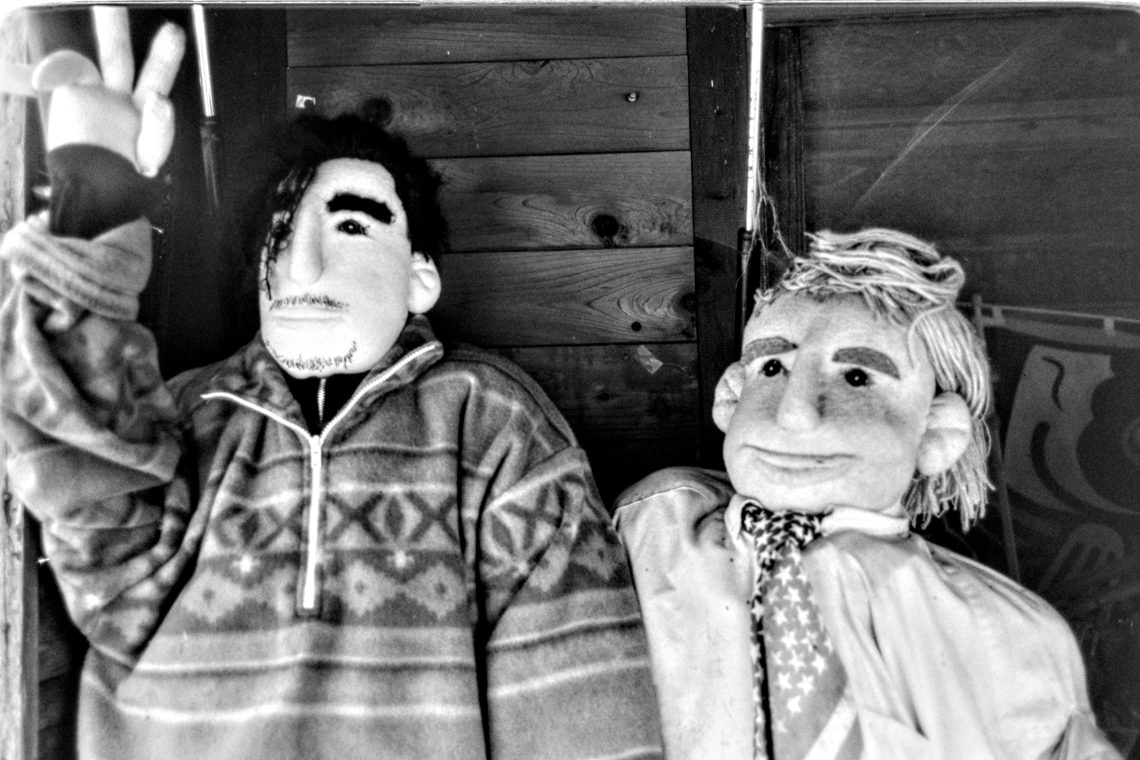
In the heart of Iya Valley, in Tokushima Prefeture, lies Nagoro, the Scarecrow Village. Half a ghost-town, half a still inhabited place, Nagoro’s main population is composed by about 300 scarecrows spread all around the village.
-
Bad Luck at Heian Jingu Shrine
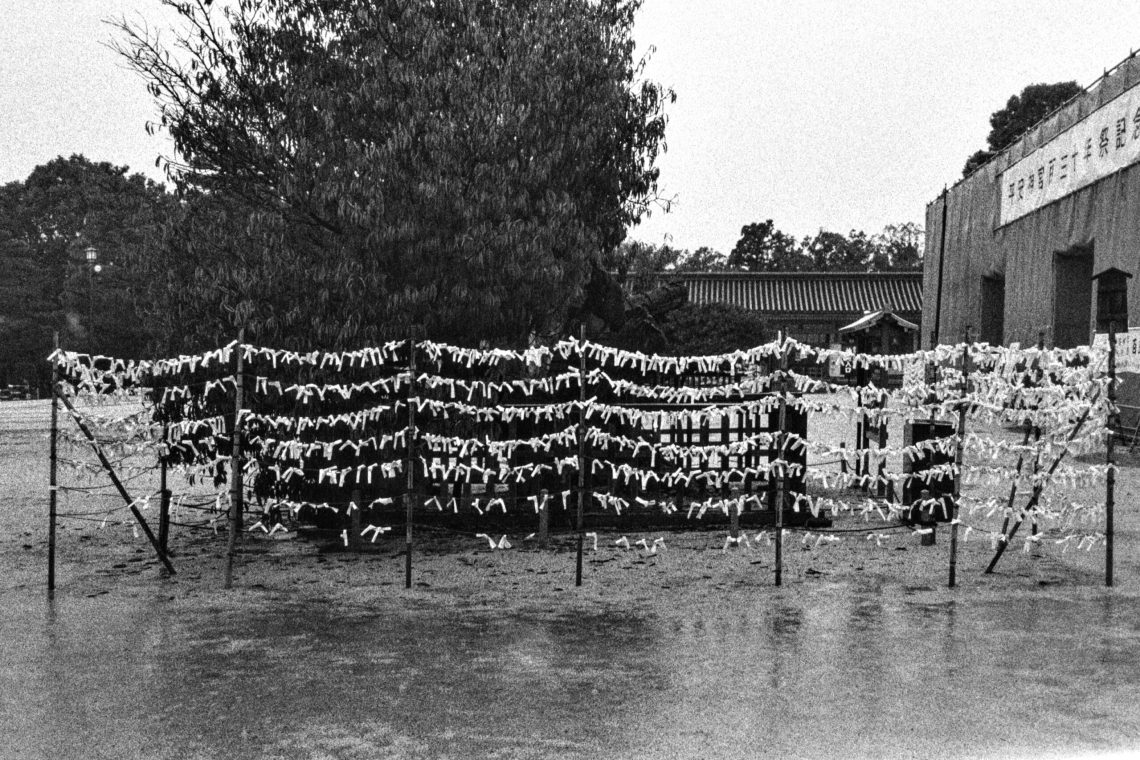
As it is customary in Japanese Shinto shrines, also the Heian Jingu in Kyoto has an area where bad luck is left hanging in the open. 御御籤 —o-mikuji—are small strips of paper that people can choose at random to find out their fortune. As every tourist is told, the general rule is that you should keep the good omens and leave the bad ones hanging on a pine tree or a scaffold. The o-mikuji can be taken for free, however it is also customary to leave a 100-yen coin in return. In fact, this is one way in which shrines are able to sustain themselves, given that there is no…
-
Ceci N’Est Pas Une Junior (or, Cognitive Dissonance – Part Two)
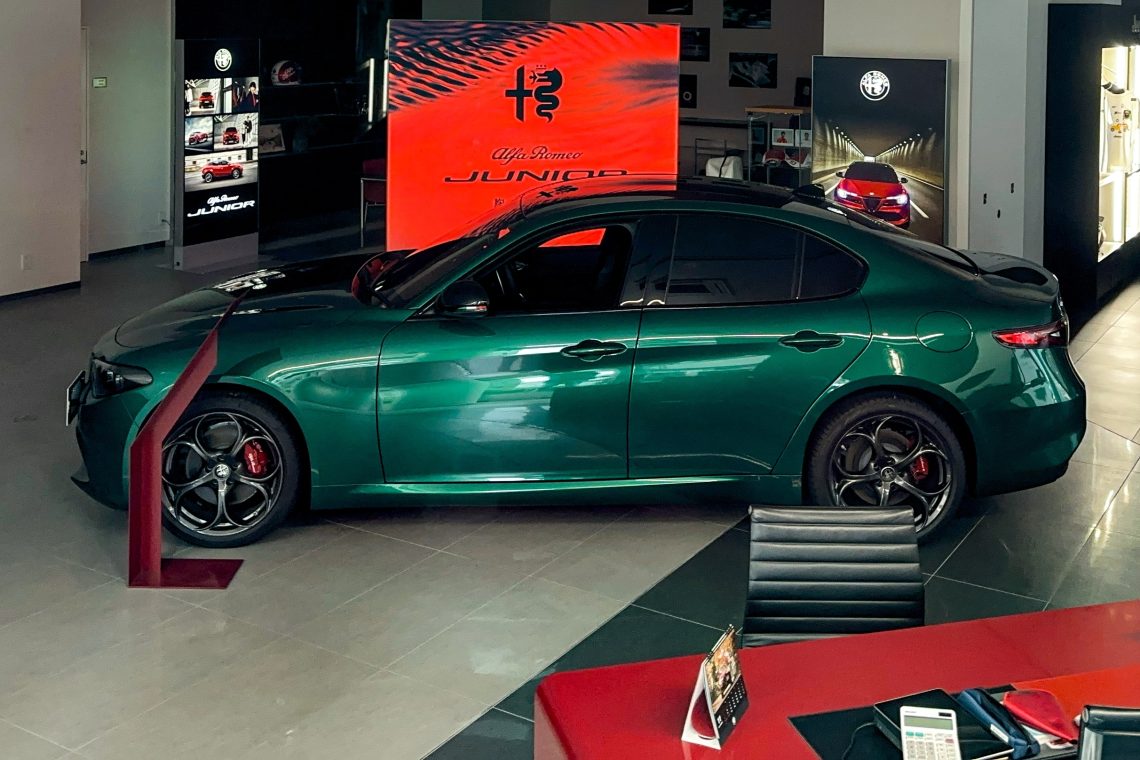
I took this photo last November while exploring a less touristy area of Tokyo: Ikebukuro. I went there hoping to see a limited edition Alfa Romeo Giulia Quadrifoglio, which was supposed to be on display at an official Alfa Romeo dealership. Unfortunately, the Quadrifoglio wasn’t there and the dealer was closed, too. So, the only option left to save the day was to take pictures of whatever could be seen through the windows. Peeping inside, though, I didn’t expect to find anything interesting in a car dealership, but I was wrong.
-
Carl Zeiss Jena Sonnar 135/4 – A Demanding Use Case
For shooting Rossini’s The Barber of Seville at Teatro Marrucino, I took a Carl Zeiss Jena 135/4 lens as a backup for long shots. Master Adriano Lolli replaced the original Contax mount with a Fuji X mount, saving me from the inconvenience of using an adapter, thus extending the lens up to around 200mm because of the crop factor.
-
Cognitive Dissonance
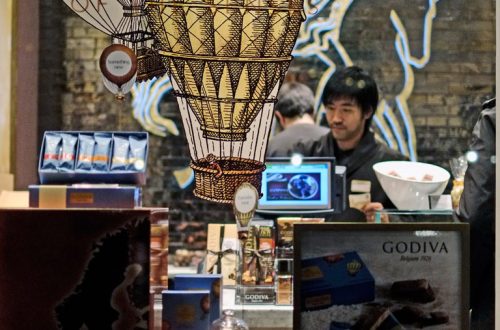
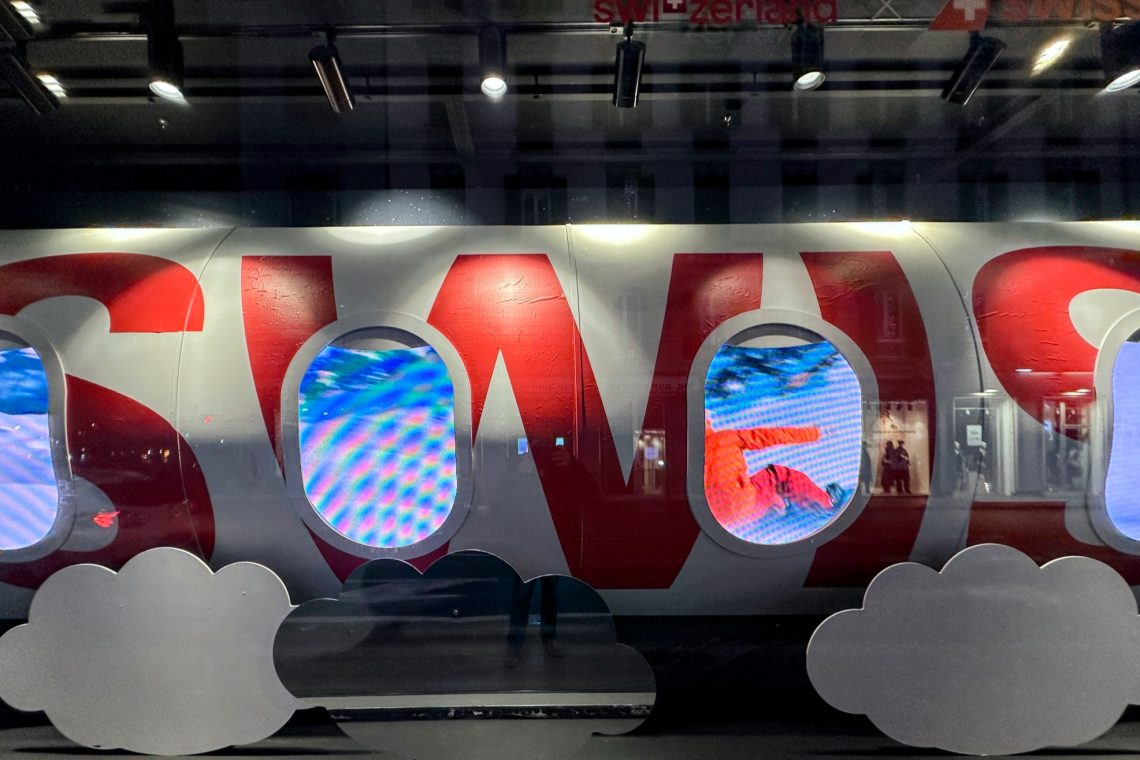
In advertising, sometimes, disregard for reality is a deliberate choice because the aim is to pique the viewer’s curiosity no matter what. At other times, though, it is the result of cognitive dissonance leading to mismatched reality’s depiction, as in the case of the prop in this photo, which I took at La Rinascente in Rome, meant to work as an ad for Swiss International Air Lines and Switzerland as a winter touristic location. At first, I didn’t understand what was wrong with it. The idea looked fairly average —ordinary, I would say: a plane’s fuselage with windows, and videos were shown as if they were the outside view that…
-
Kissaten – One Shot Story
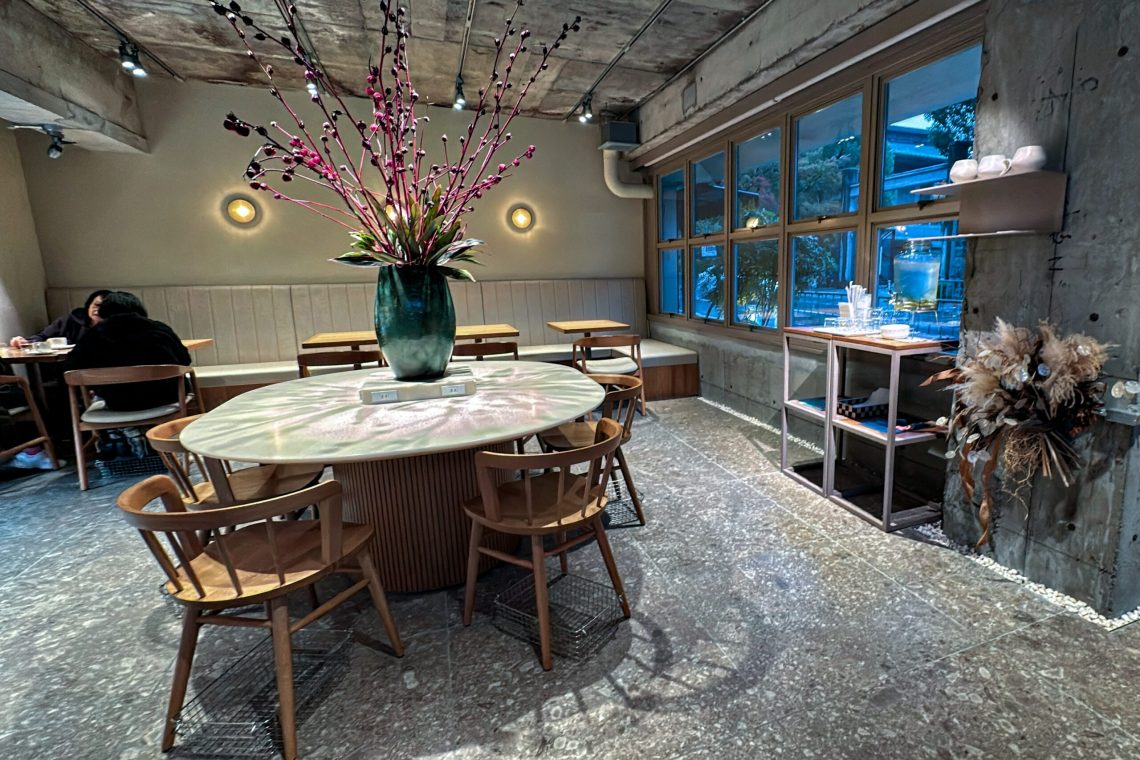
When in Japan, Kissaten have soon became my favourite place to rest for a while or for a longer time, waiting for the rain to stop. Unlike Starbucks and other Western or Western-style chains, Kissaten offers a relaxing environment characterised by emptiness rather than crowded spaces. Of course, it’s possible to find all the places occupied by customers, as in a ‘regular’ coffee shop. However, in my experience, this rarely happens, especially in parts of town not plagued by hordes of aimless tourists.
-
How Nissan Crossing Has Changed Over Time
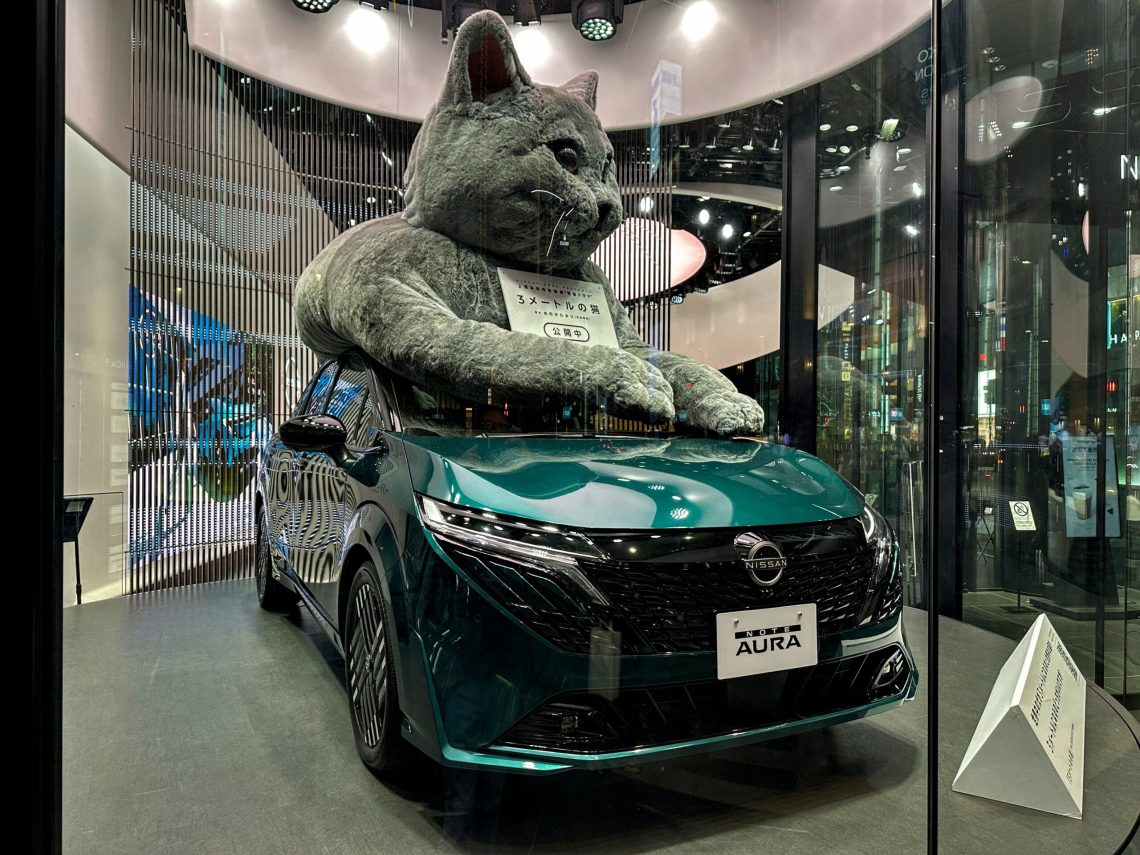
As a petrolhead, I always make a point of visiting Nissan Crossing whenever I’m in Tokyo, even if only for a few hours or half a day. Situated in Ginza, one of Tokyo’s most exclusive districts, Nissan Crossing is an open space in which the car manufacturer displays its concept cars and premium models.
-
Relentless – A One Shot Story
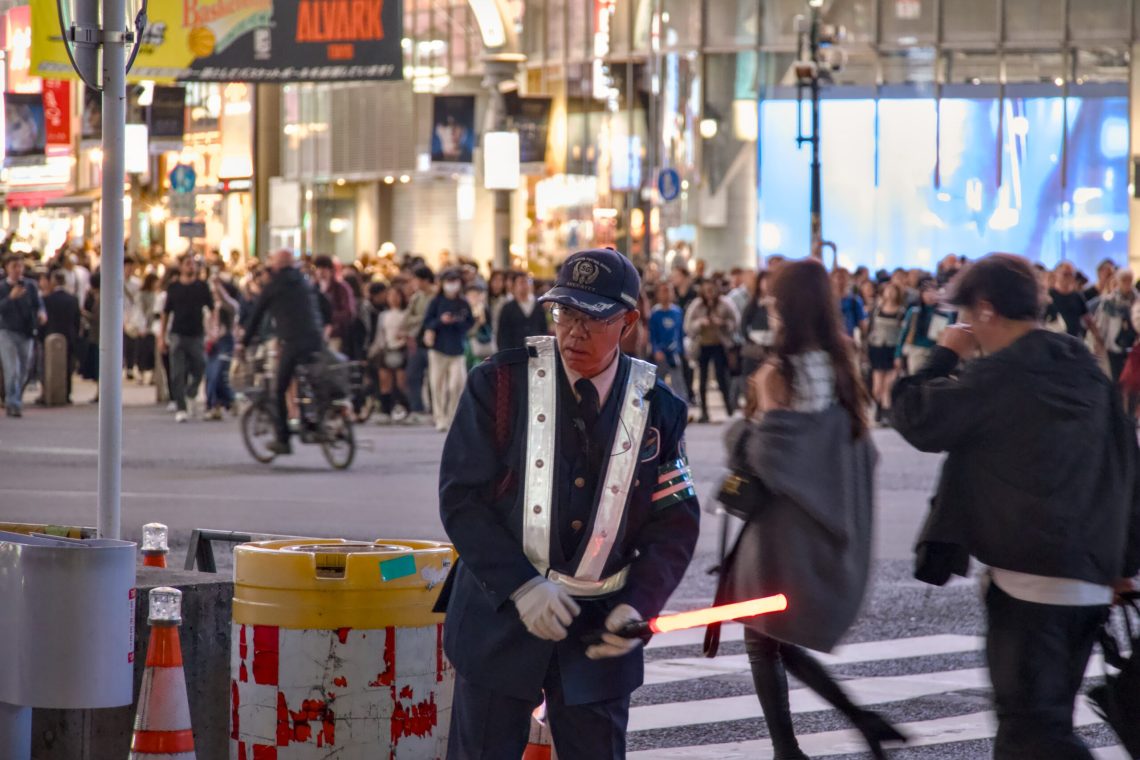
When in Tokyo, I don’t go to Shibuya unless I have a specific errand to run. Least of the usual ‘things are not what they used to be’ lament, the place never struck me as it deserved more than a cursory glance. This time, however, I had a specific photographic objective: to capture the Shibuya backdrop, i.e. things and people that keep the place running ‘smoothly’ which are in plain sight but go unnoticed by tourists, residents and passers-by. Crowd management and safety control are two such things.
-
Don Giovanni@Teatro Marrucino
Yesterday night I was on the (back)stage of Teatro Marrucino for the premiere of Mozart’s Don Giovanni. Director Paul-Émile Fourny had a brilliant idea: to portray Don Giovanni as a vampire. This choice was essentially coherent with Don Giovanni’s ‘predatory’ attitude, while maintaining a visual style for the mise en scène that was consistent with the time in which the story was set. The lighting design by Patrick Meeus and the video design by Mario Spinaci created a dark overall mood without losing the play’s main characteristic: the alternation between drama and humour.
-
The Rise And Fall of Pizzeria Liceo – One Shot Story
For decades, it was established in 1963, not only the students of the Liceo Classico on the other side of Via Venezia, but almost all the inhabitants of my hometown, paid a visit to Pizzeria Liceo (aptly named after the aforementioned school). Truant students often chose it to spend a few hours waiting to come back home, cheating their parents about their daily chores. New romances began and couples broke up. Lonely young men — and adults, too — would stop by and mumble to themselves about their bad luck in love, family or work. On the way home after a tiring day at work, it wasn’t uncommon to stop by and…
-
On Prizes and Awards (a Long and Tiring Musing)
Prizes and awards are ubiquitous also in the photography world. There is an award for everything, and I wouldn’t be suprised to discover an award for the best photo award as well. When we’re just starting out on our photographic journey, it’s natural to think about entering a competition. I am not an exception, in fact I tried a few myself and I also got one honorable mention for the photo featuring this post in a competition organised by a local chapter of the Italian Photoamateur Association (FIAF).