-
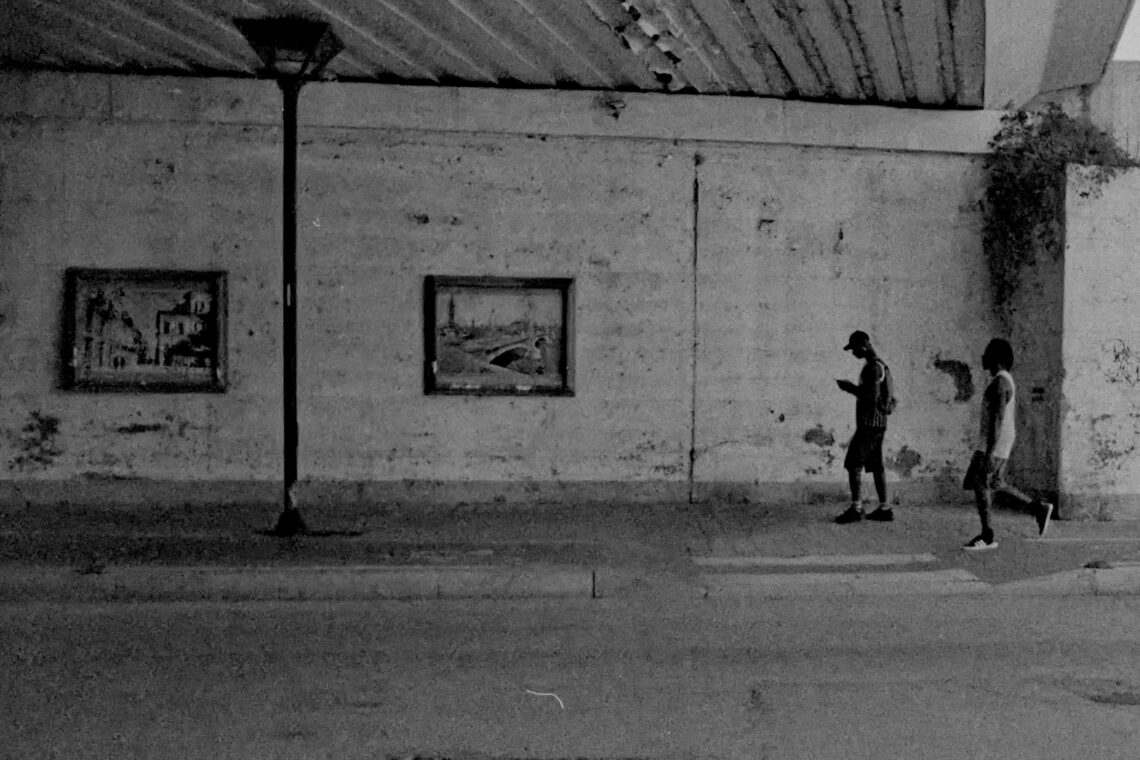
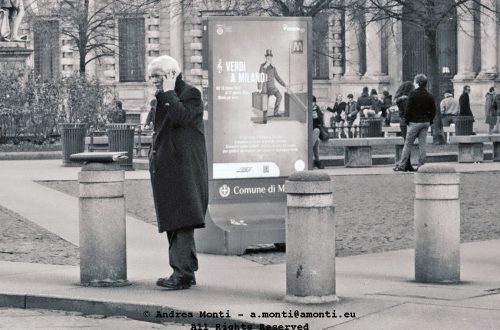
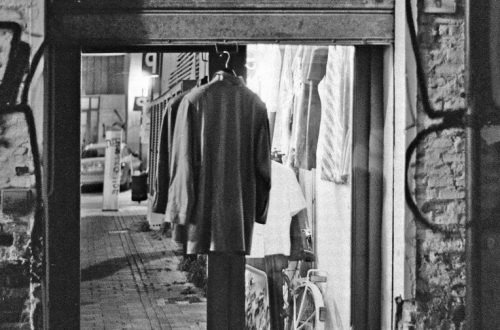
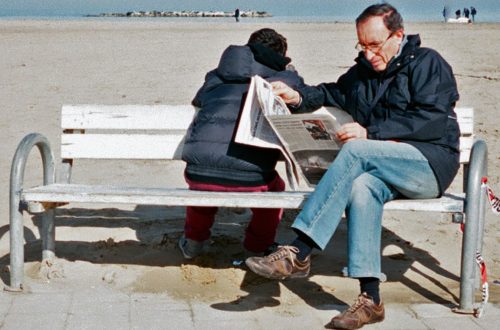
The Expired Film Series – Episode 3 – Ilford HP5 400 – Dec. 2010 shot in August 2023
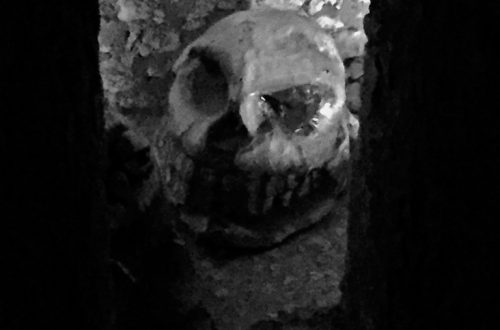
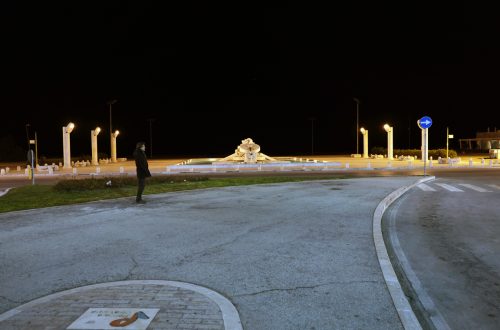
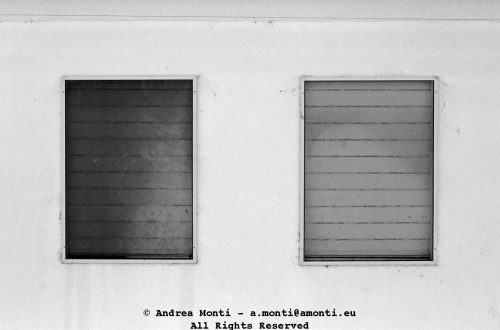
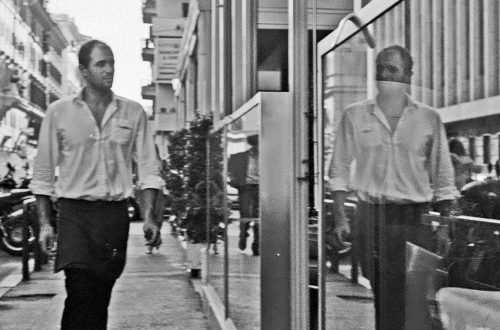
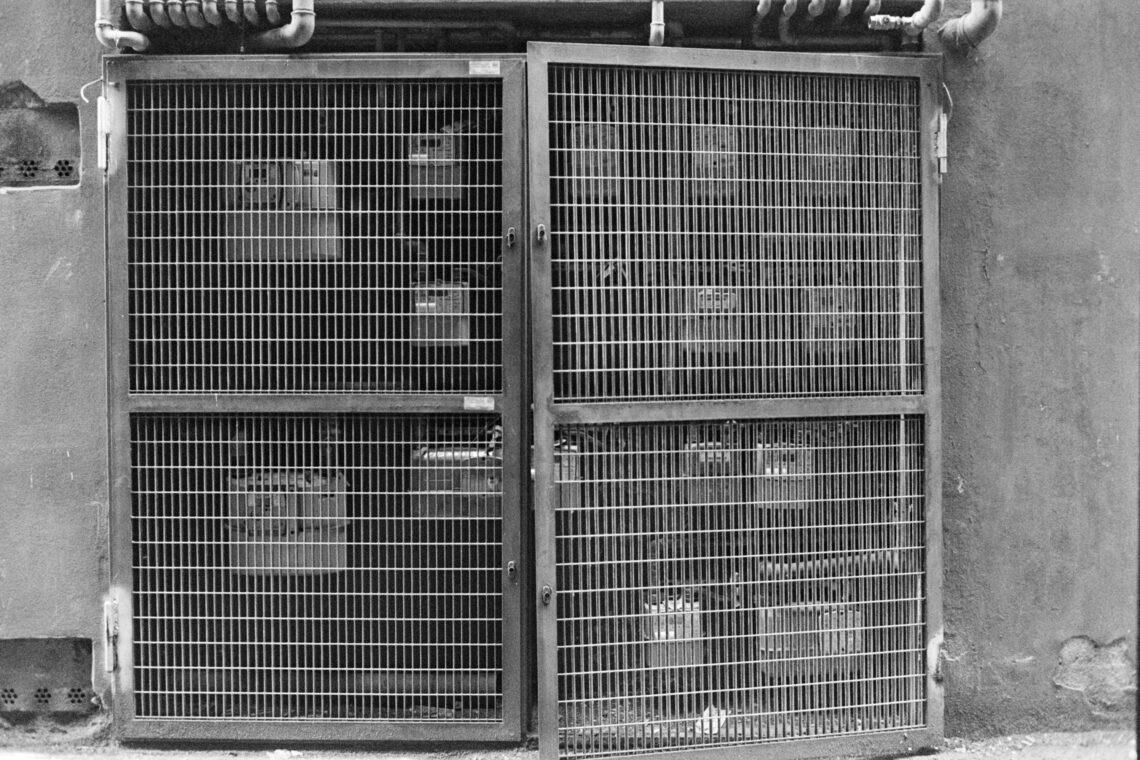
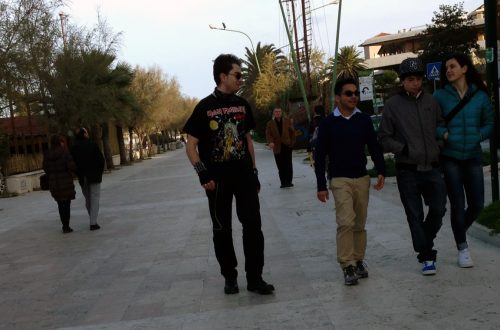
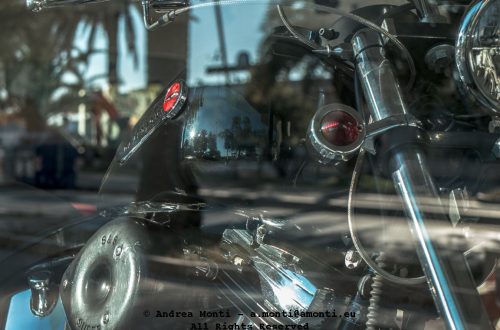
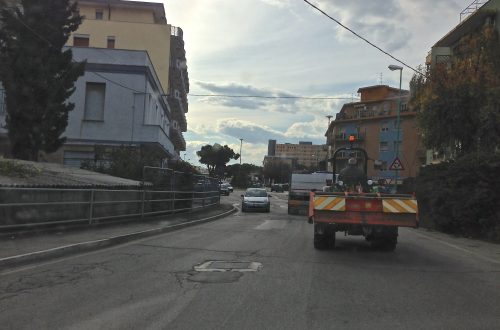
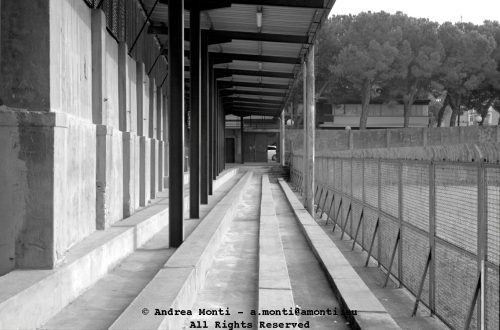
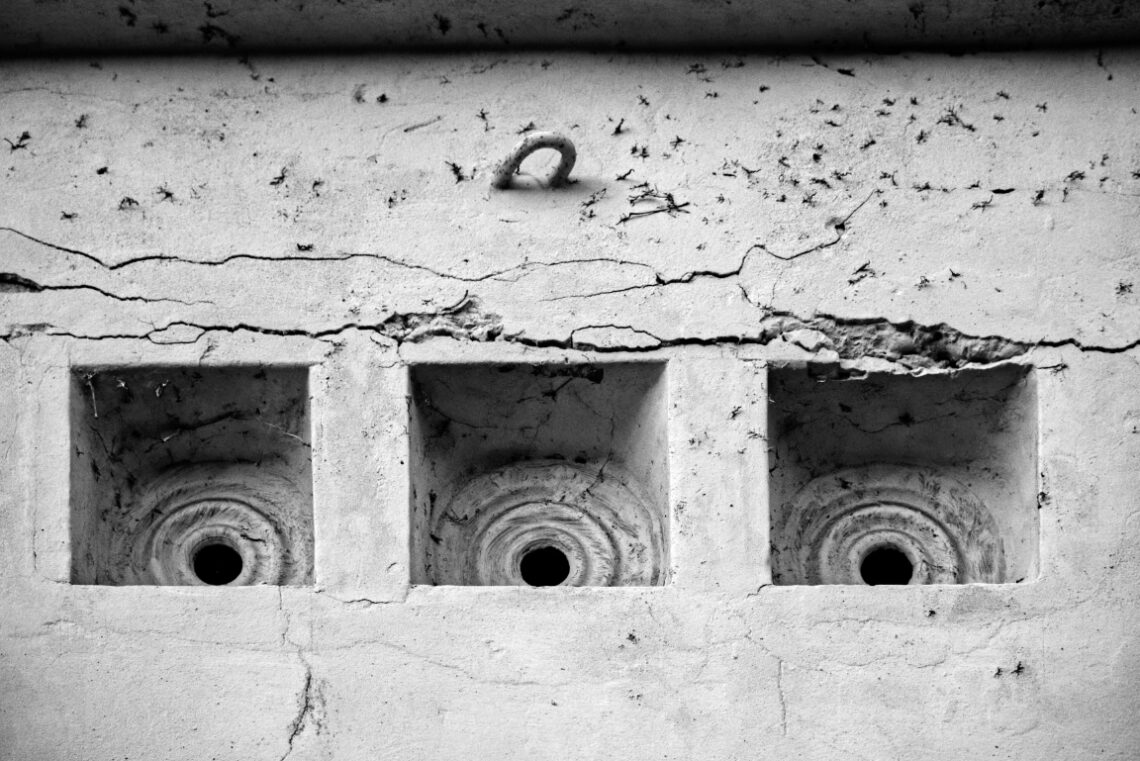
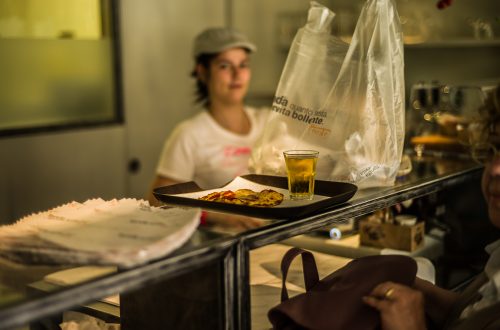
This is the third episode in a series documenting the use of expired film in various contexts (mainly in Rome, Italy). Episode 3 features an Ilford HP5 400 shot with a Pentax ME Super and a smc Pentax A 28/2,8 in various parts of the city of Pescara (Abruzzi) . The film was overexposed by one stop as it is customary with expired film to allow more light to impress it. The results are subpar and also in this case the blacks lack details and pictures show severe grain.
-
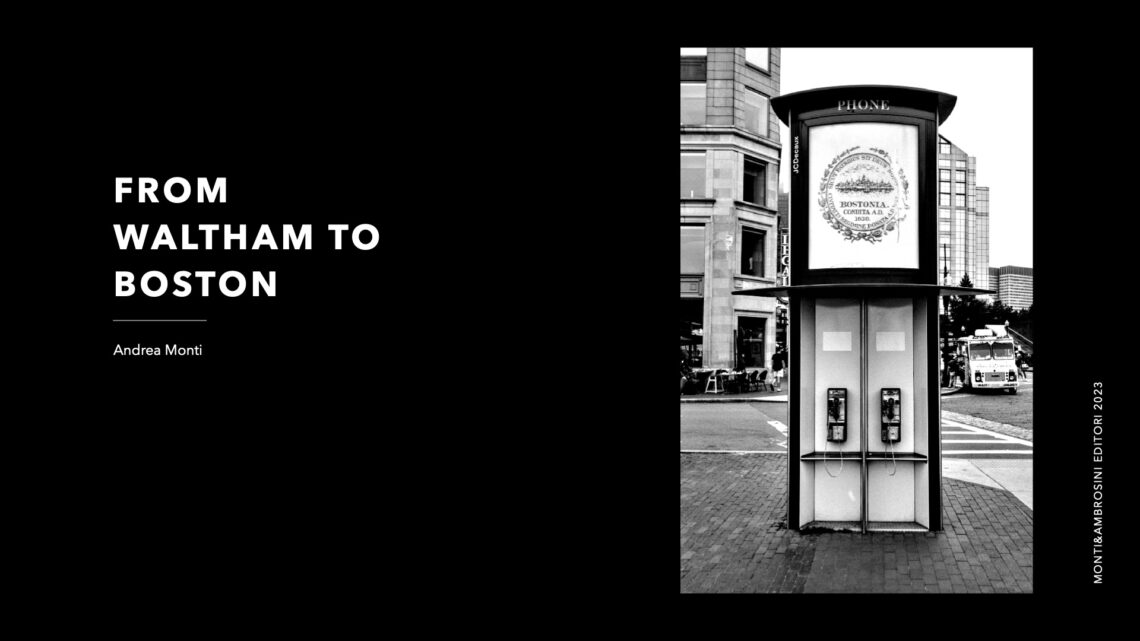
From Waltham to Boston
‘From Waltham to Boston’, an offshoot of a bigger project on documenting Boston’s pulse, is now available on Amazon as a Kindle e-book.
-
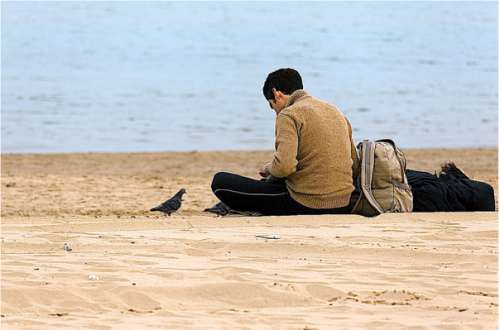
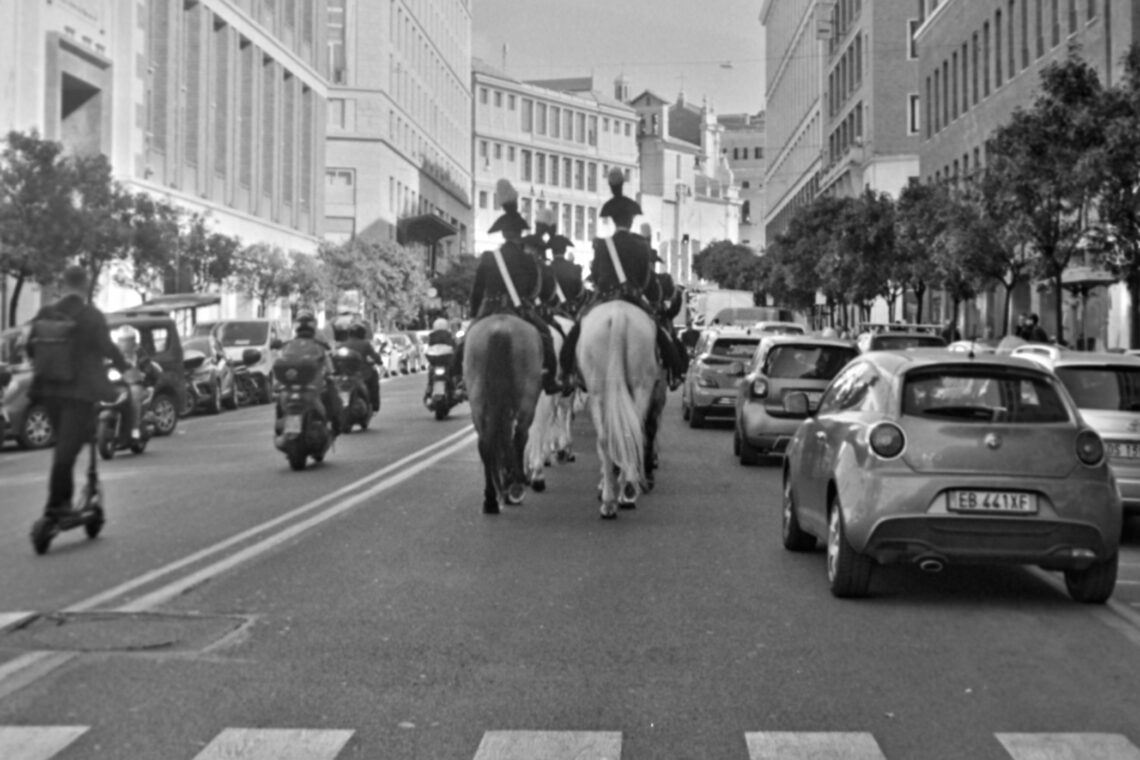
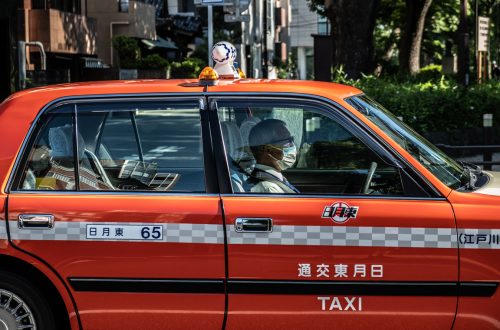
The Expired Film Series – Episode 2 – Ilford XP2Super 400 – Nov. 2017 shot in May 2023
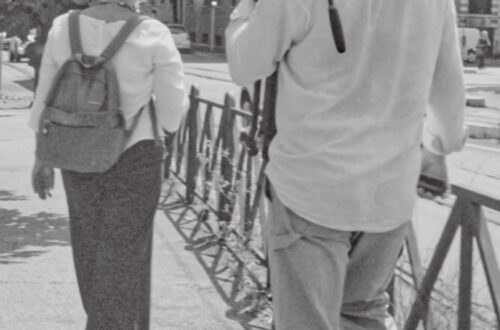
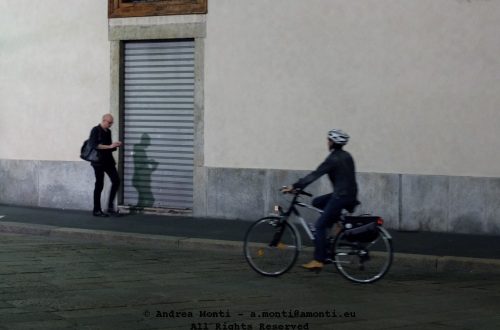
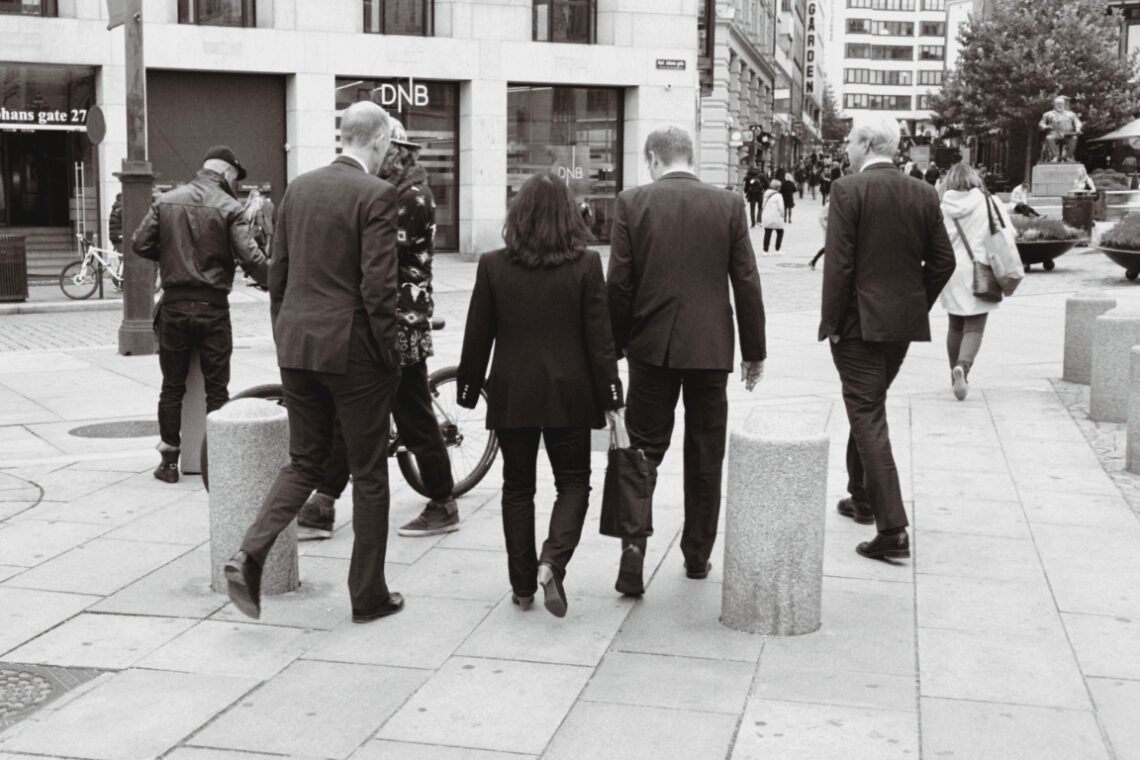
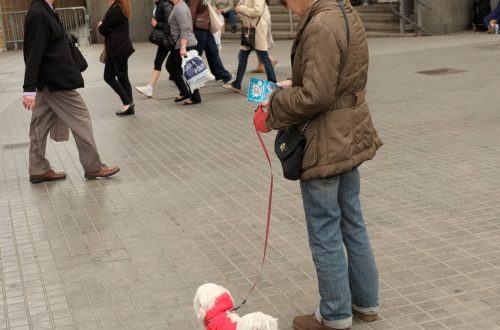
This is the second episode in a series documenting the use of expired film in various contexts (mainly in Rome, Italy). Episode 2 features an Ilford XP2Super 400 shot with a Voigtlander Bessa R2 and a Voigtlander Nokton 35/1,4 in Rome (IT), between Colle del Quirinale and Piazza di Montecitorio. Also in this case, but this time by mistake, film’s ISO and the exposure compensation were not adapted to allow more light to impress the film. Once again, the blacks lack detail and show severe grain.
-
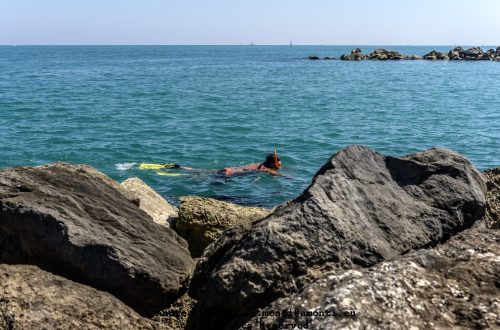
UnortORTOdox (Ferrania)
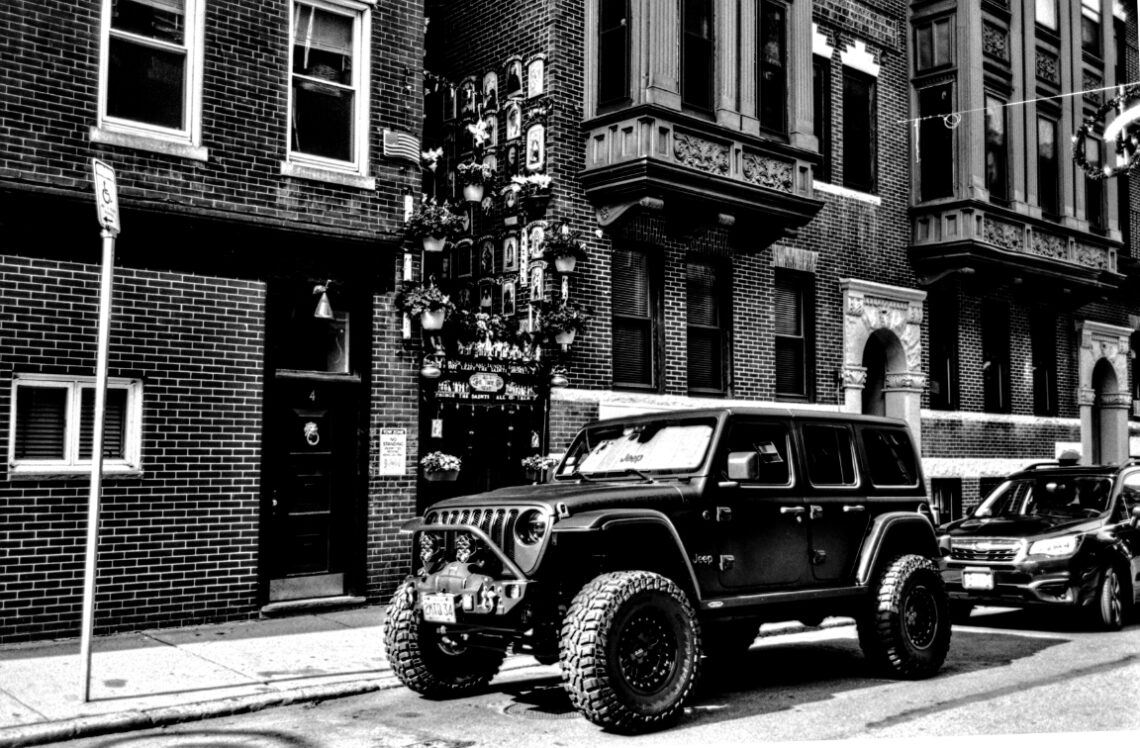
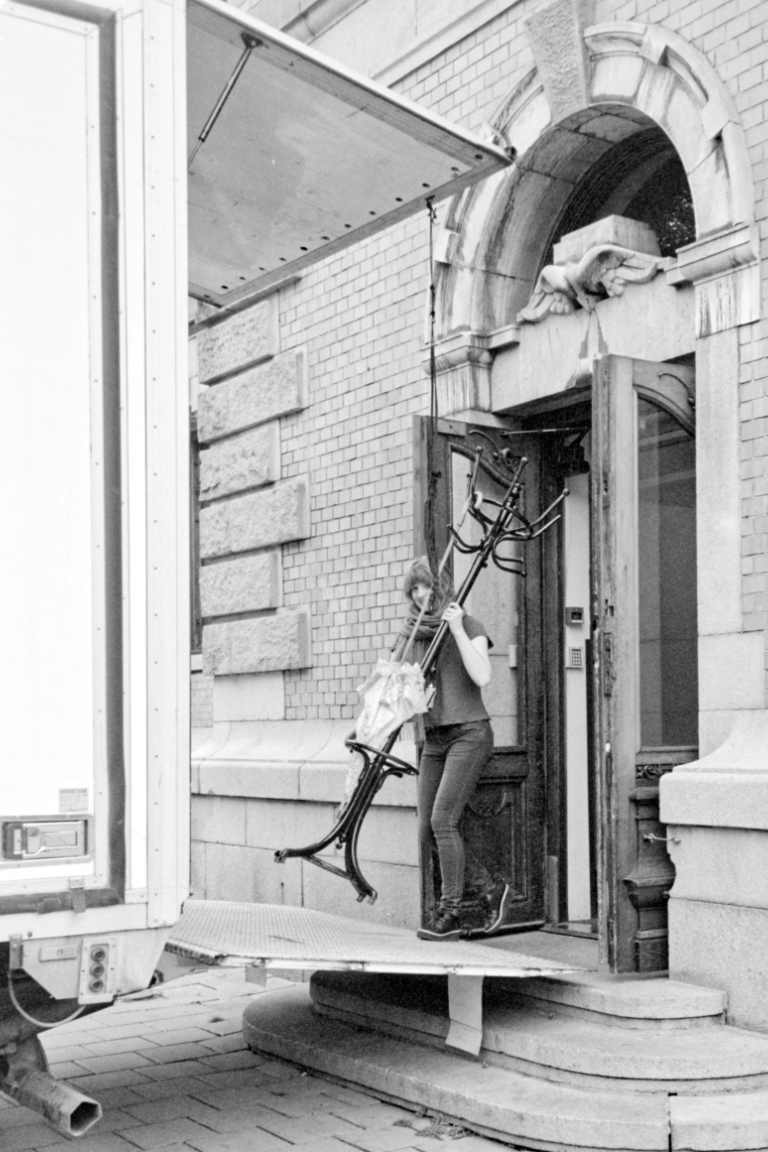
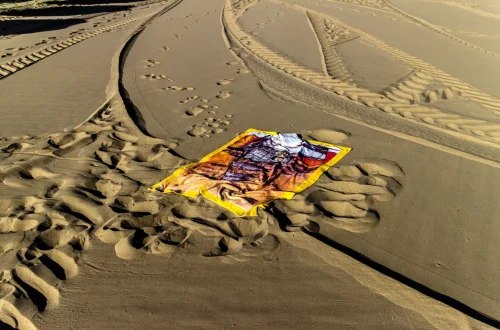
This is an unorthodox use of an orthochromatic film (namely, Ferrania Orto.) It is not supposed to be the first choice for reportage or travel photography, but rules are made to be broken, aren’t they? As per the photo, it was taken in North End, Boston’s Little Italy.
-
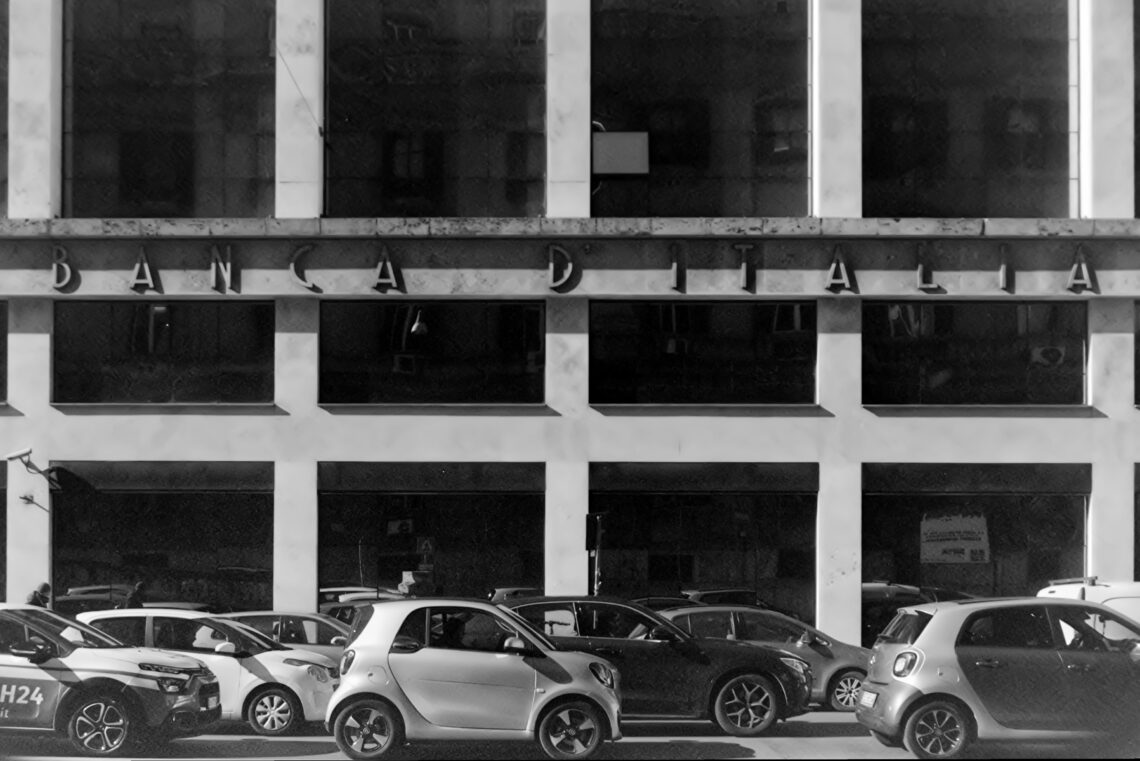
The Expired Film Series – Episode 1 – Kodak BW400CN – Dec. 2014 shot in June 2023
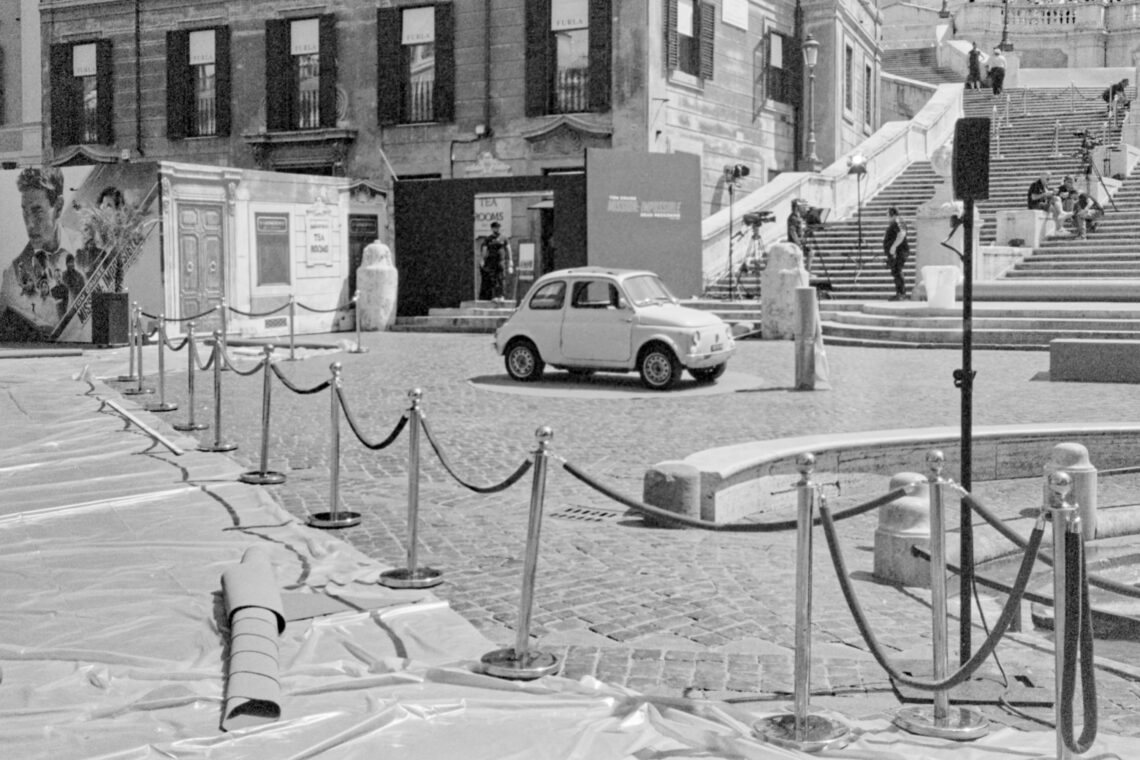
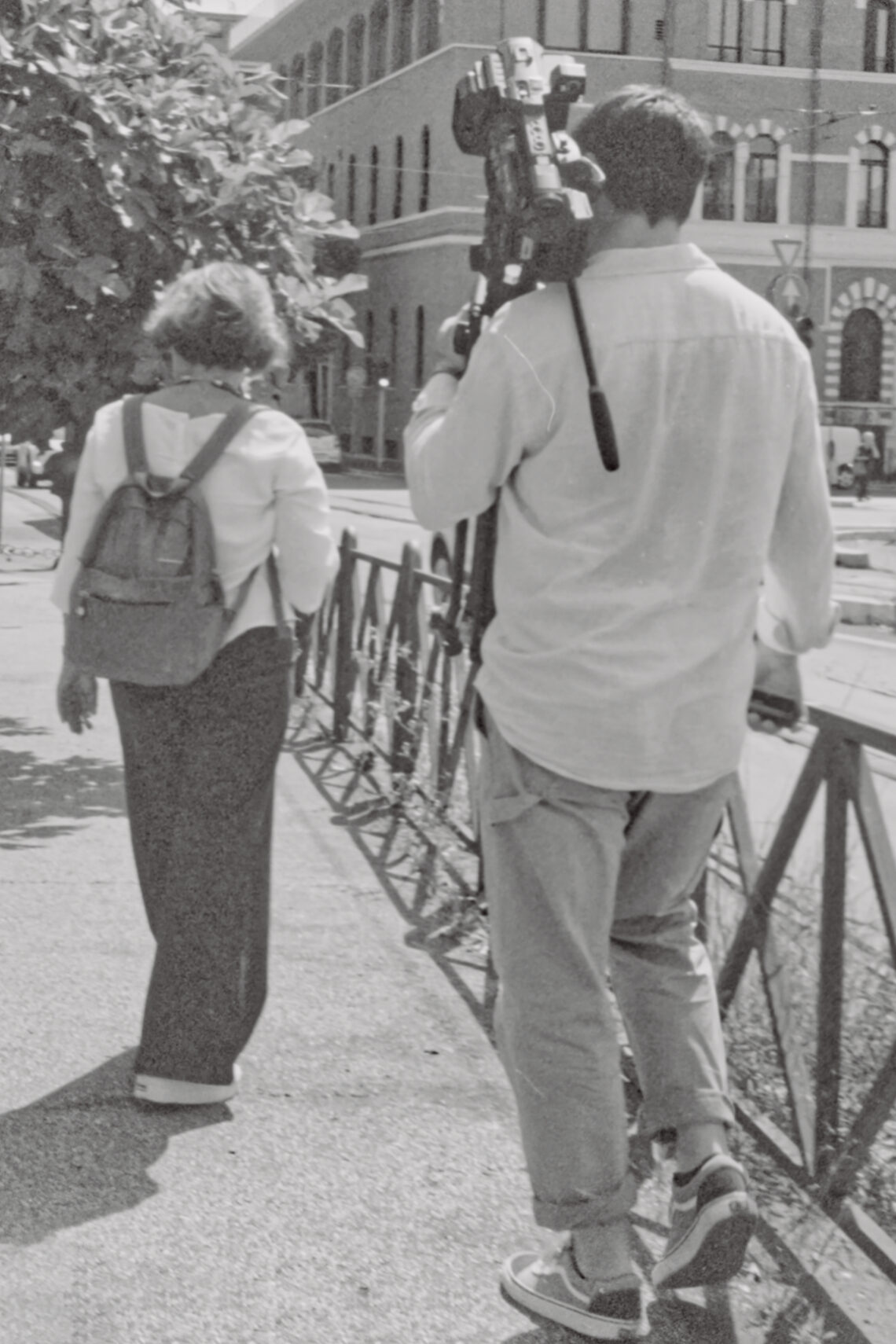
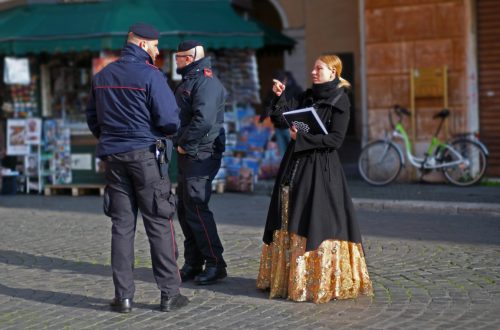
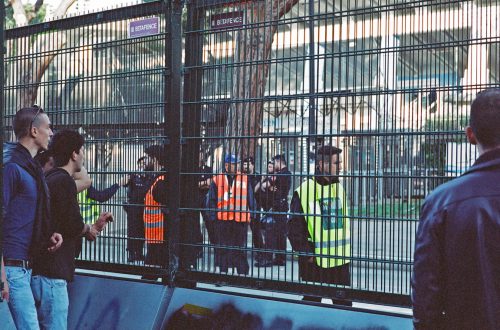
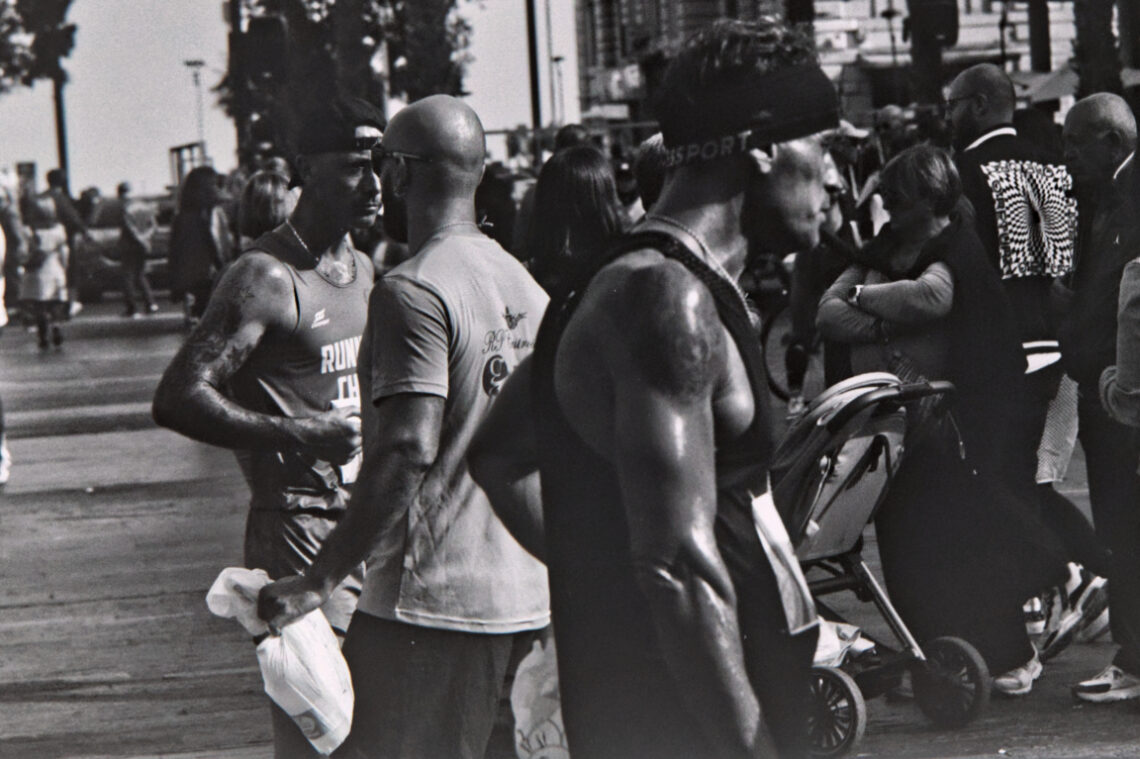
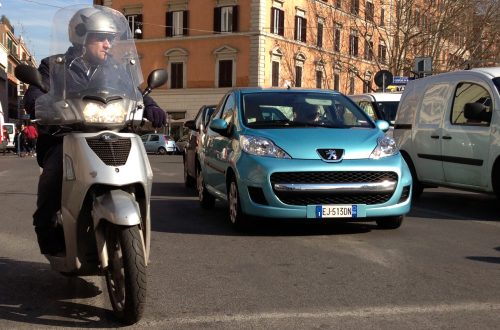
This is the first episode in a series documenting the use of expired film in various contexts (mainly in Rome, Italy). Episode 1 features a Kodak BW400CN shot with a Nikon 35TI in Rome (IT), between Piazzale Flaminio and Piazza di Spagna where the world premiere of the latest Tom Cruise motion picture —Mission Impossible: Dead Reckoning— was going to be held. As the Nikon 35TI does not allow one to ‘pull’ film’s ISO and the exposure compensation did not work, it was impossible to overexpose the pictures. As a results, the blacks lack detail and show severe grain. Legal Notice Reuse is free for pro bono personal and educational…
-
Content Creators
There are many reasons for the lack of details in this image.The main one is that this roll of Kodak BW400CN expired about 15 years ago. Secondly, the Nikon 35TI used for the shot was set to ‘P’ mode, which does not allow ISO to be changed, and exposure compensation is broken: this made it impossible to use longer exposure times, as it would have been necessary.
-
Masters of Propaganda
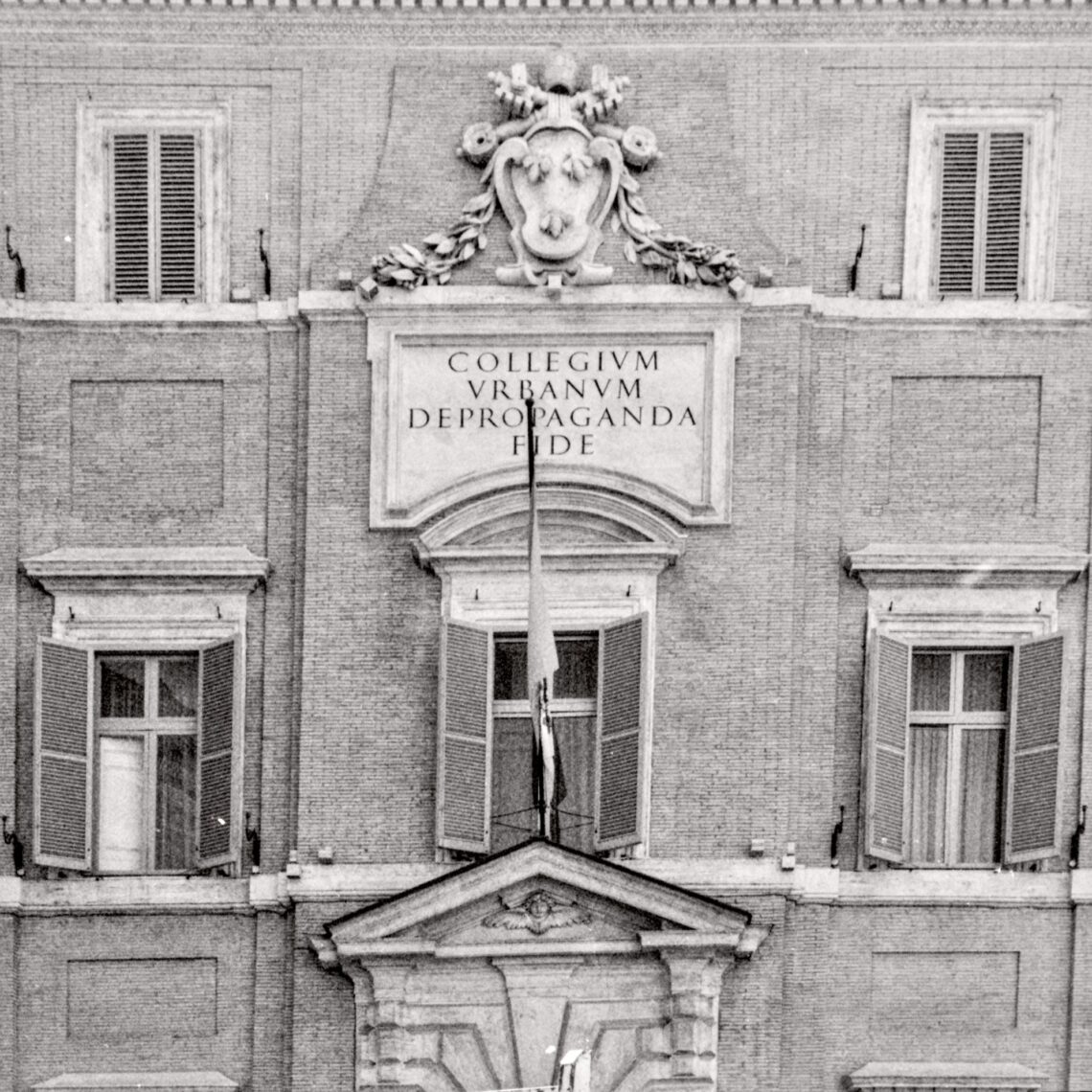
In the heart of Rome, unbeknownst to the horde of tourists heading for Trinità dei Monti and the Fontana della Barcaccia, hidden in plain sight lies silent the headquarter of the Congregazione de propganda fide, the ante litteram master of modern propaganda.
-
Guarding Democracy
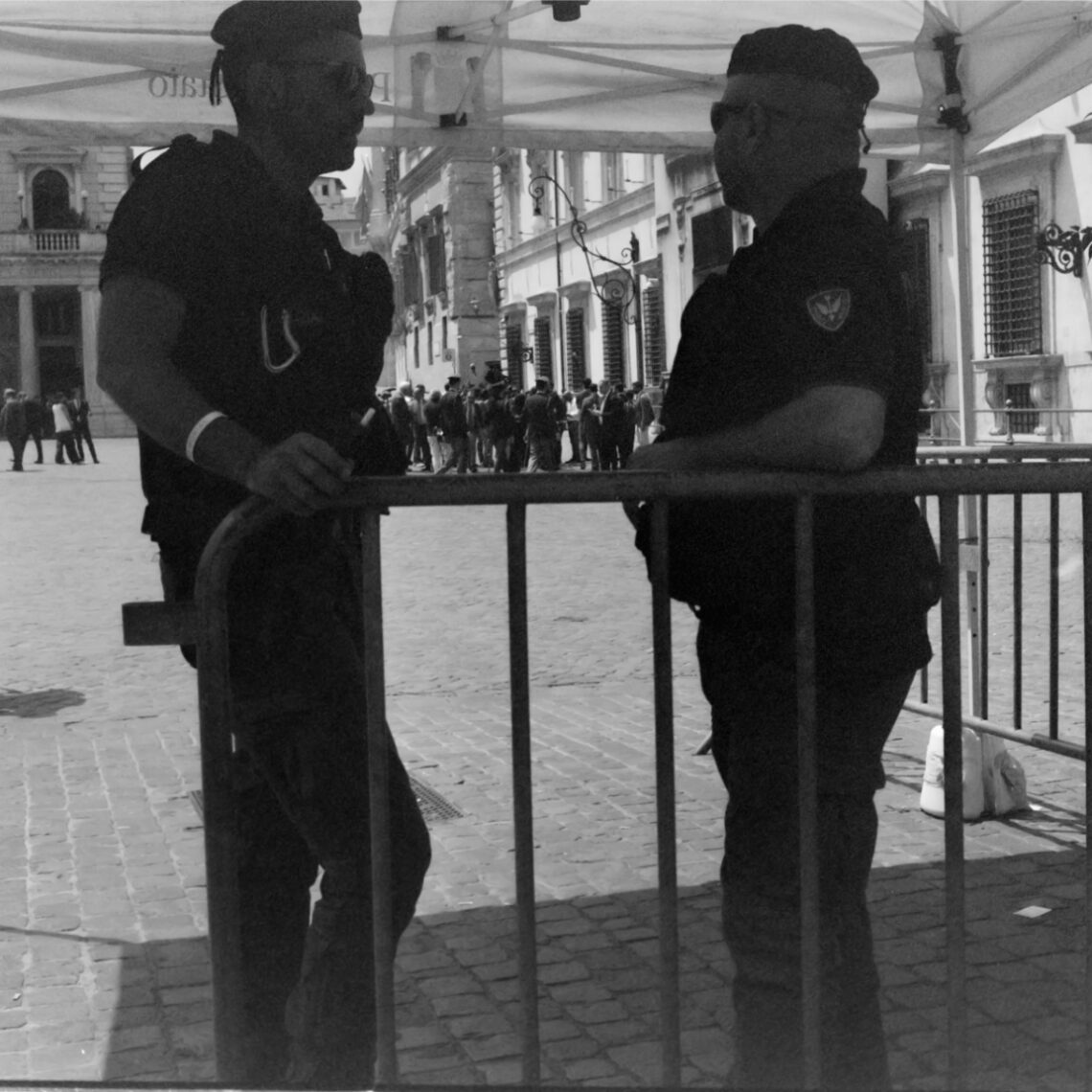
Shot on film, this frame came from a day of walking — not searching, just watching. I didn’t need to look far. Two officers, positioned under a temporary gazebo, leaned into casual conversation, framed by the barricade they were meant to man. Beyond them, a crowd gathered in orderly concentration. The juxtaposition wasn’t loud, but it was clear: authority in the foreground, public in the distance. The separation was both literal and symbolic. The choice to shoot from behind the barrier wasn’t just compositional — it was contextual. I wanted to keep the divide intact. The vertical bars bisecting the two officers are rigid, unforgiving. They draw the eye down,…
-
Abstract
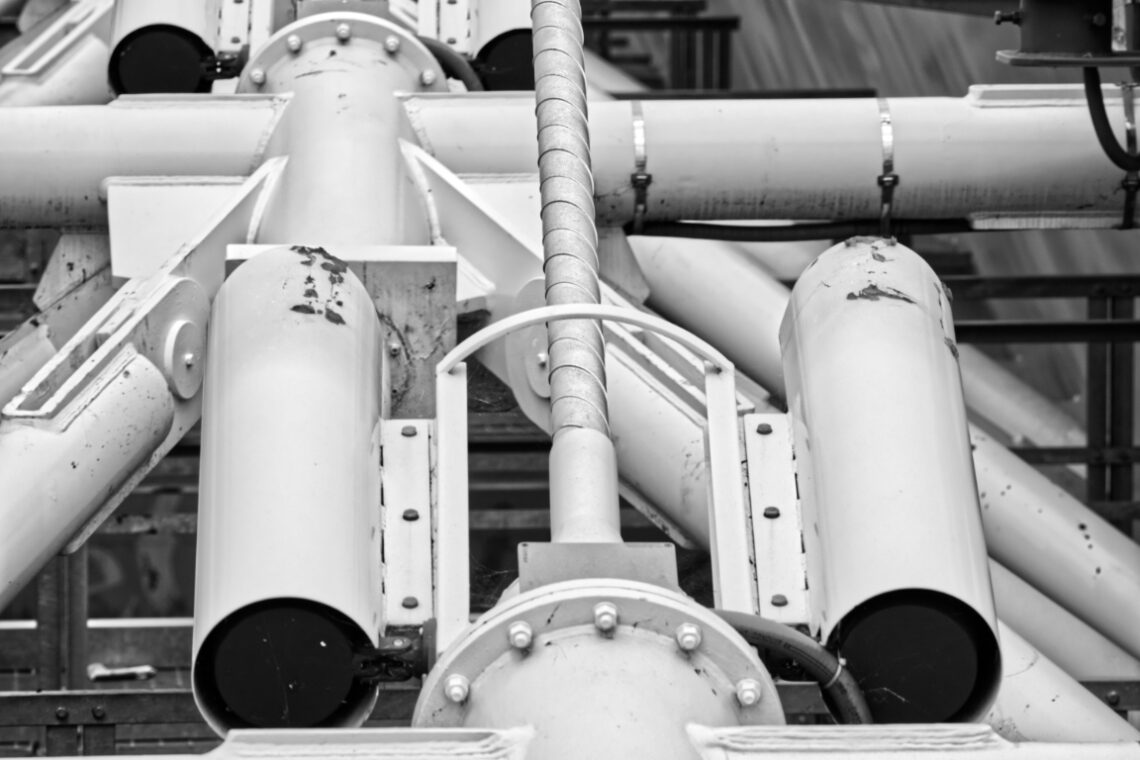
There’s a particular pleasure in encountering an image that resists immediate recognition. This photograph—an interplay of industrial forms, bolts, struts, and cylindrical elements—sits somewhere between documentation and abstraction. Strip away the context, and it becomes less about what these structures are and more about what they do visually: dividing the frame, catching light, and setting up a rhythm of repetition and interruption. The composition is rigidly symmetrical along the vertical axis, yet it doesn’t feel overly formal or sterile. The imperfections—paint chipping, scuffs, a touch of grime—are what give it character. These blemishes remind us this isn’t a CAD rendering but a real, weathered object, doing its job in the…
-
Partner in Glam
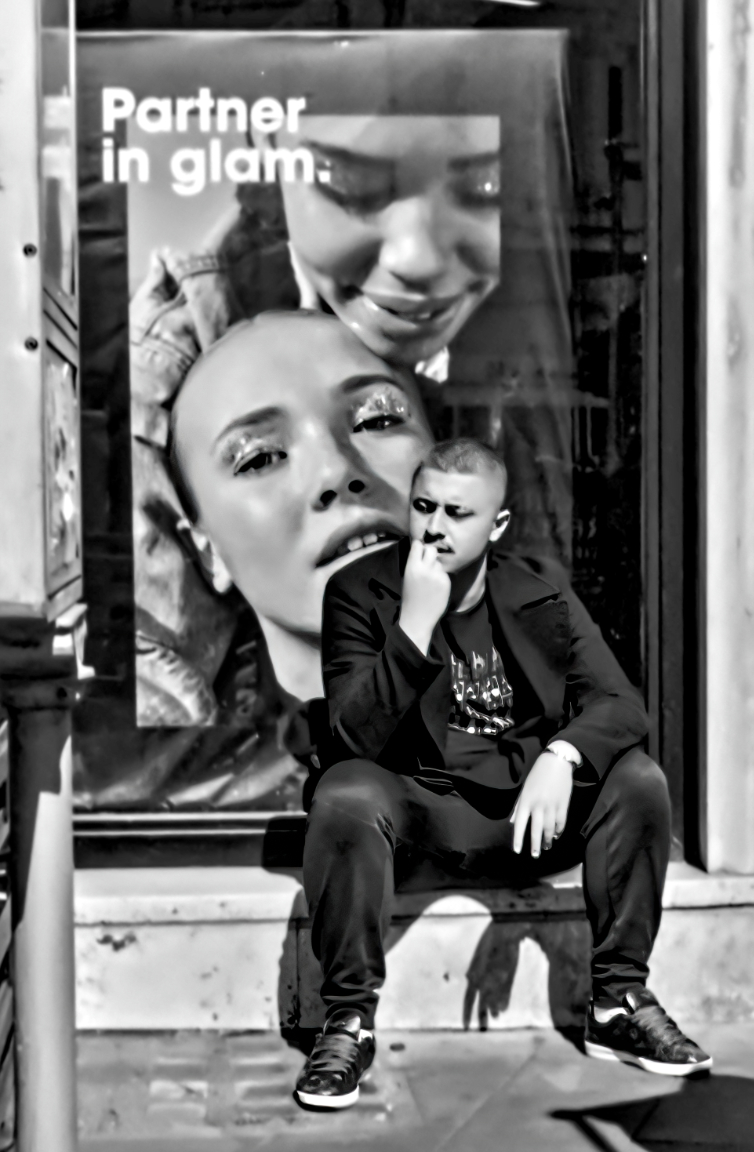
I framed this shot fast — the kind of street moment that gives you three seconds to get it or lose it. What pulled me in wasn’t the man alone, nor the advert behind him. It was the convergence. His physical presence, heavy and brooding, intersecting perfectly with the oversized face of the model. Two expressions, one contemplative, one seductive, unintentionally in conversation. The poster reads Partner in glam. A marketing line, forgettable in most contexts. But set against this man, seated in shadow, caught mid-thought, it takes on irony. Or honesty. Depends how you read it. Technically, the photo leans hard into contrast. Shot in direct sunlight, the shadows…
-
Processing DSLR-digitized film with and without Pentax K-1 Monochrome Custom Image profile
Digital Camera Utility 5.0 is a pain to use on a Mac with Monterey. It is slow and laggy. Its only use is to get the photo as shot, with the custom image profiles embedded in a K-1 (and other recent Pentax DSLRs), and export it as a 16-bit tiff for further processing.One might wonder, however, whether editing a RAW file without going through the DCU —and thus losing the custom image profile— would produce lower quality results. We are about to find out.The test is quite demanding, as it starts with a shot from an Ilford SP2 Super 400 (note: this is not a true B&W film, as it…
-
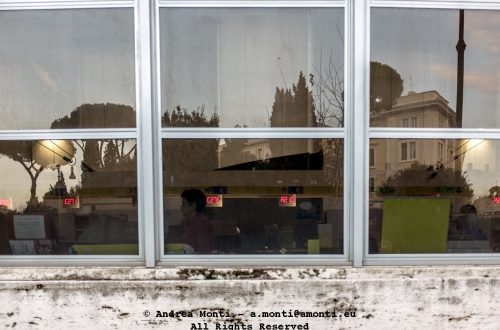
A Frame Within a Frame Within a Frame
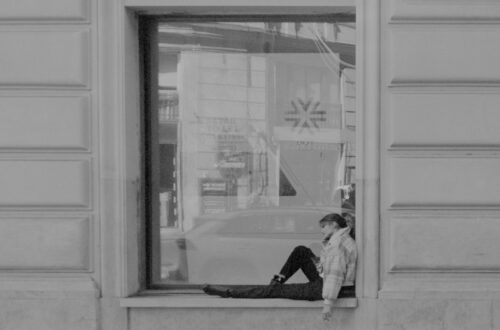
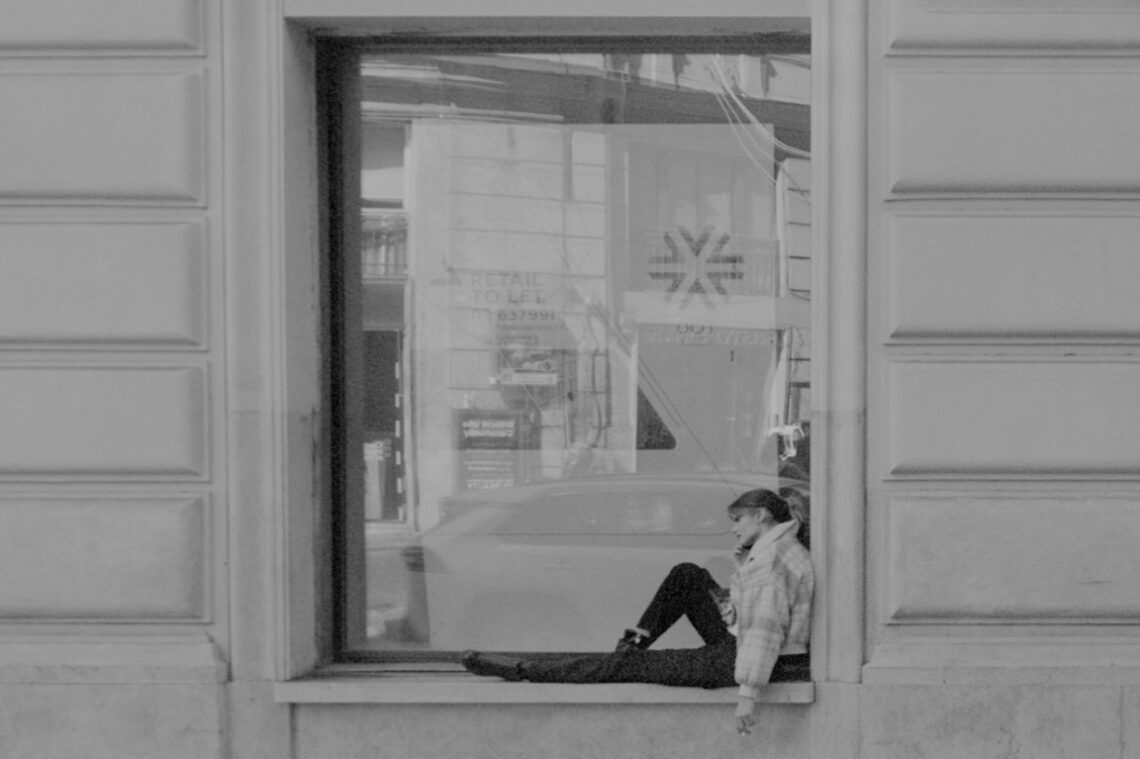
The irony didn’t hit me until I developed the roll—an expired Ilford XP2 Super 400 that had been lounging at the bottom of a drawer for years. Shot with a Voigtländer Bessa R2 paired with the Nokton 35mm f/1.4, this image is as much a meditation on layers as it is a commentary on isolation. What initially looked like an ordinary street shot—girl on a call, perched on a windowsill—turned out to be a trifecta of enclosures: her physical pose wrapped in posture and winter clothing, set within the architecture of the window, itself encased in the framing of the building. Beyond, the city reflects itself, ghostlike, on the glass—another…
-
Coats
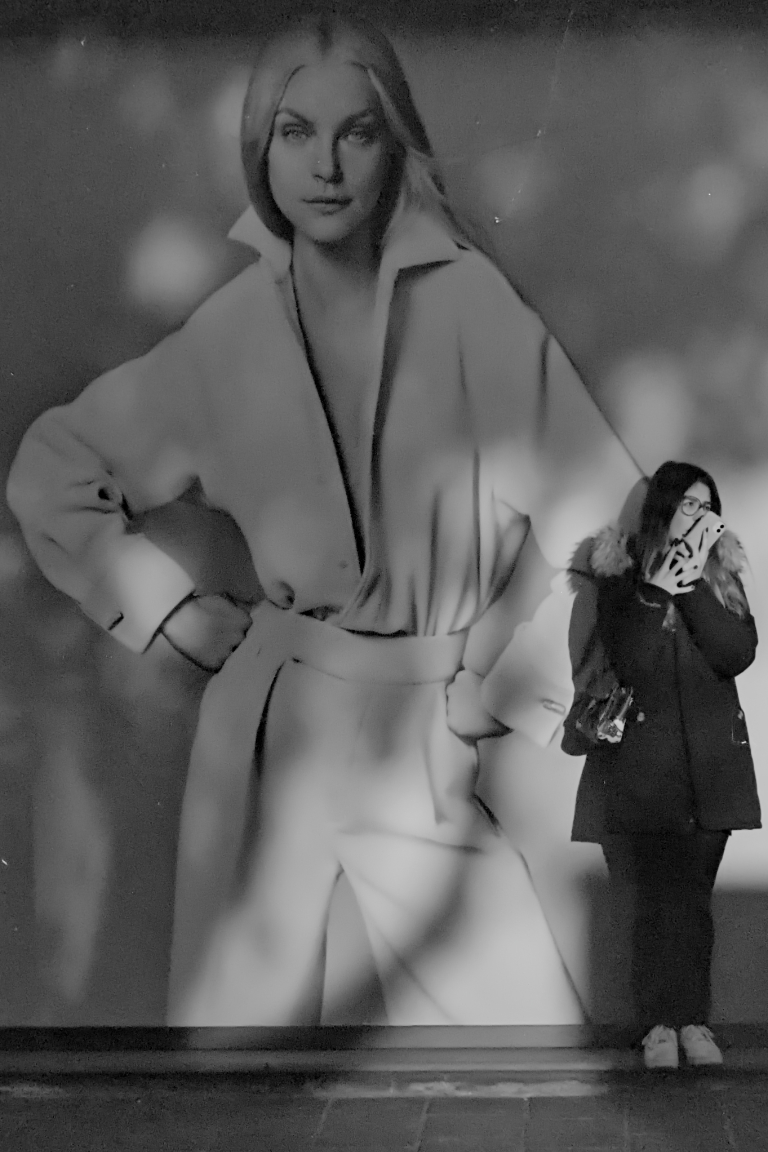
Getting rid of film noise is a recurring necessity when shooting film at (relatively) high ISO.In this photo the negative was digitised using a Pentax K-1 Mark I and a Pentax FA 100/2,8 Macro. Then, before inverting the curves to make a positive, it was fed into DxO PureRaw3 (by the way, it properly recognized the camera and lens). Finally, in Affinity Photo Develop Persona’s Details tab, once the curves were inverted, it was necessary to tweak the Noise Reduction options by setting Luminance to 50% and Luminance Details to 0.
-
Powermeters
This photo was taken with an Ilford XP2 Super 400, a Voigtländer Bessa R2 and a Voigtländer 35mm f/1.4 II lens. The film was digitised using a Pentax K-1 and a Pentax FA 100/2.8 Marco mounted on a custom-built rig. The resulting raw was processed in Affinity Photo. In Develop Persona, first the image was turned in black and white, then the master curve was intverted and finally exposure, contrast and other parameters were tweaked.
-
DSLR film scanning: episode three
This is, by far, the most pleasing result I have ever had from digitising a film negative with a DSLR.Contrary to many suggestions found on Youtube, I did not invert the negative RAW curve by tweaking the Master RGB option. I did it, instead, channel-bychannel minding each clipping point. This approach allowed for a better reproduction of the grey tones, and in the end a fair result.
-
Another attempt at DLSR film scanning
Still trying.I digitised the negative with a Pentax K-1 and the FA 100 2.8 Macro lens using the JJC clone of Nikon ES-2. Postproduction is done in Pixelmator Pro. I used a Nikon 35TI and a Kodak BW400CN to take the original photo. Strangely enough, the JJC does not allow a 1:1 ratio with the Micro Nikkor 60 2.8.The instructions advise to mount the 62mm to 52mm step-down ring, the #2 52mm barrel-shaped tube and finally the film holder. These instructions are clearly wrong, as it is not possible to get 1:1 magnification with this setup.So I removed the tube and mounted the film carrier directly on the 62mm to…
-
An attempt at DSLR-made film digitization
This is the first usable result of the attempt to DSLR-scan films. I tried several approaches, including the standard tripod holding the camera perpendicularly to a flat, LED-lighted surface. However, I finally went for a different solution: a horizontal rig with two moving plates, a micrometric head holding the film and three-axis and a panoramic head holding the camera.
-
Three Lamps
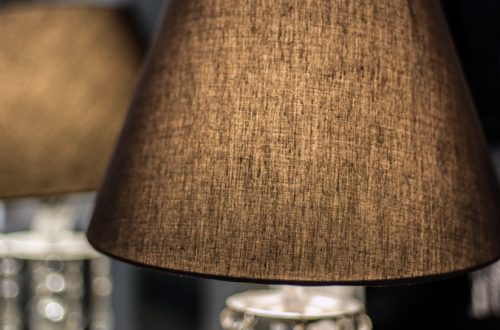
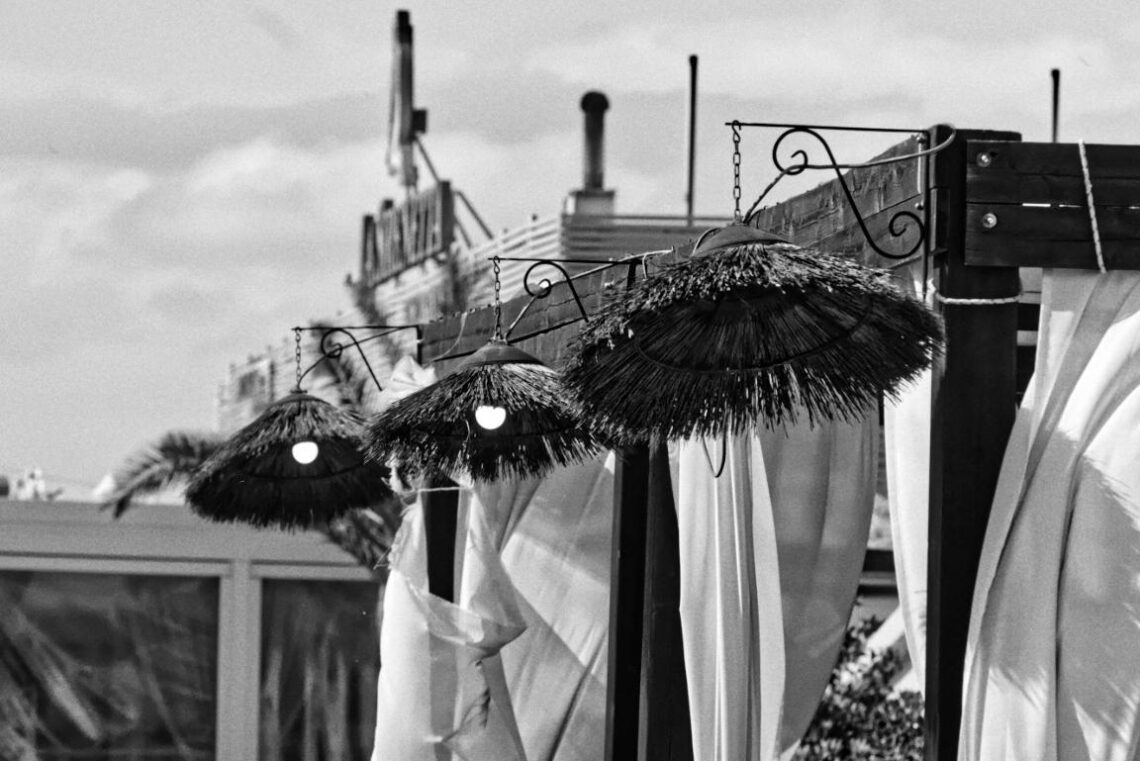
I made this photograph on a breezy afternoon, when the light fell just right across the row of straw-shaded lamps. The alignment was irresistible — three distinct forms in sequence, receding gently into the frame. I wanted the rhythm to pull the viewer’s eye through the image, from the sharp texture of the foreground shade to the softly blurred suggestion of the background structure. The Pentax K-3 II paired with the DA* 50-135 rendered the detail crisply; every strand of straw stands out against the muted backdrop. The lens’s rendering at f/2.8 helped create a shallow depth of field without obliterating context. The light bulbs, faintly glowing even in daylight,…
-
Is AI-generated art actually killing ‘real’ Art?
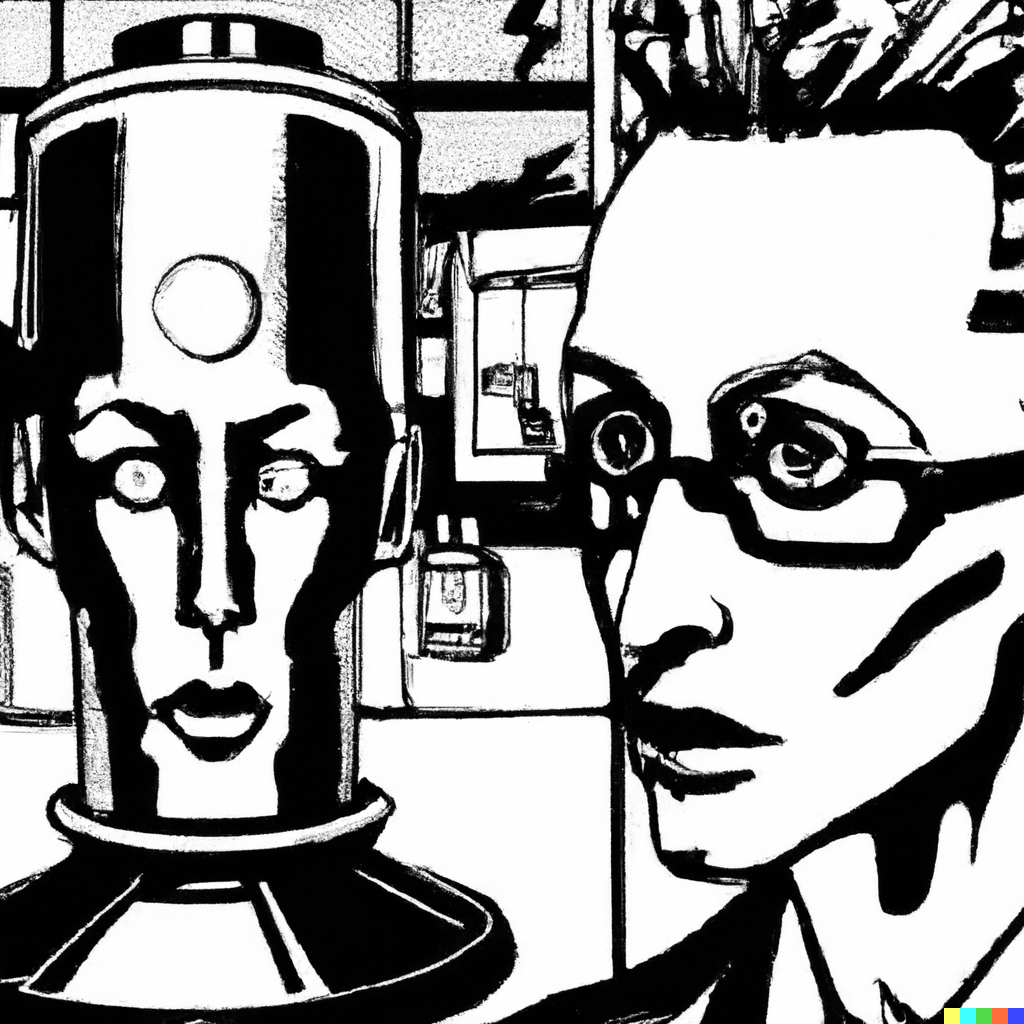
This picture is how Dall-e 2 interpreted a prompt like Kodak Tri-X 400 black and white sketch in the style of Andy Warhol of a scientist facing a hajime sorayama-like cyborg in a 1940 mad scientist sci-fi lab. Does that mean that —as everybody and his cousin keep repeating— that AI killed Art(ists)? Not very. AI-generated imagery serves to specific purposes and whether is creation or not is utterly irrelevant.
-
On Photography and Self-Delusion
Only travelling abroad gets exotic photos. No need to travel overseas to get unusual images. Shoot digital is the only way ‘to stay in the moment’. Going retro with film is the only way to stay ‘in the moment’. Get the latest gear you can find. No, use the cheapest stuff because photography is about the man, not the machine. Do not post process, do post process. Shoot colour; no shoot B&W. Use Midformat, no full-frame, no APS-C, no smartphone-size sensors… The list of advice coming from (self-professed) experts, journalists (most often, web content editors with no editorial clearance), and ‘seasoned’ (wannabe) photographers could grow forever.More often than not, these…
-
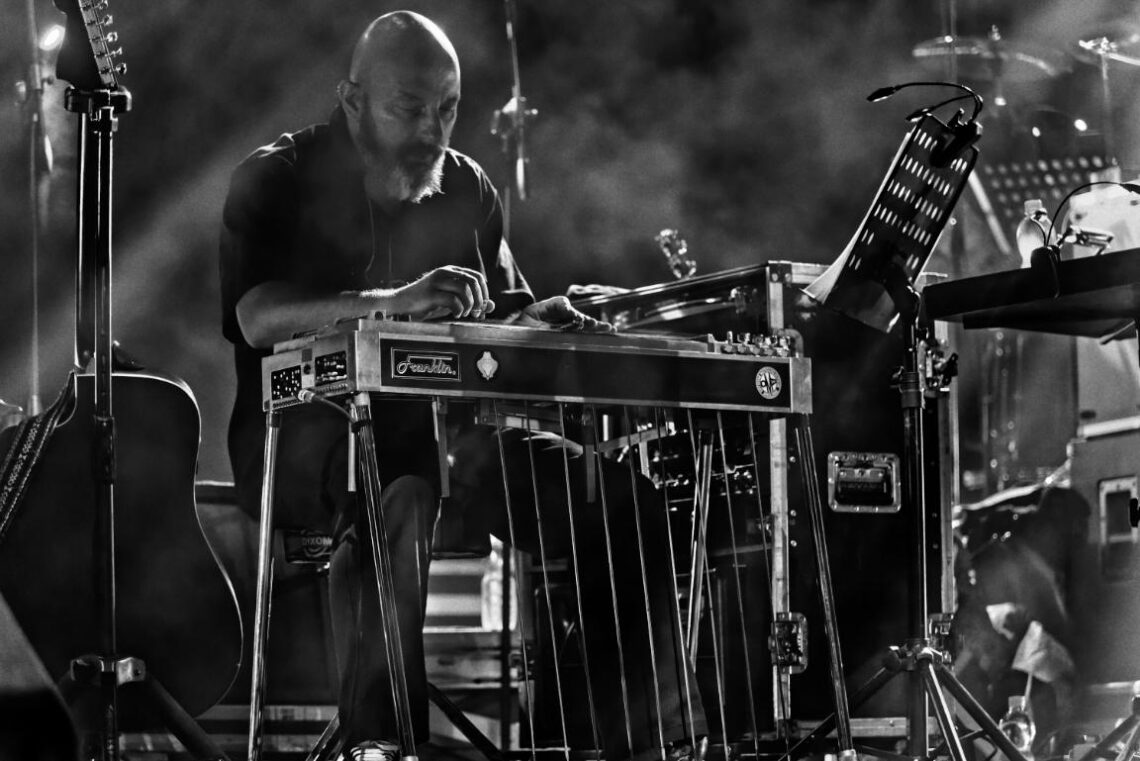
Alessandro Valle – Live@Anfiteatro La Civitella
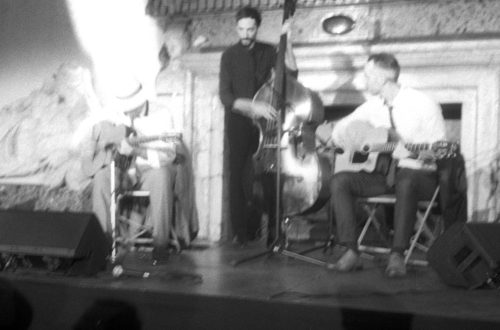
When I cover singers’ concerts, I make a point of not leaving band members behind. On their shoulders lies the burden of getting the show right. Without them, there is not much a singer could do unless he is gifted with a beautiful voice and proper technique. Still, they often come unnoticed. Kudos to these musicians who make the magic happens.
-
José Ignacio Franco – Live@Auditorium Petruzzi
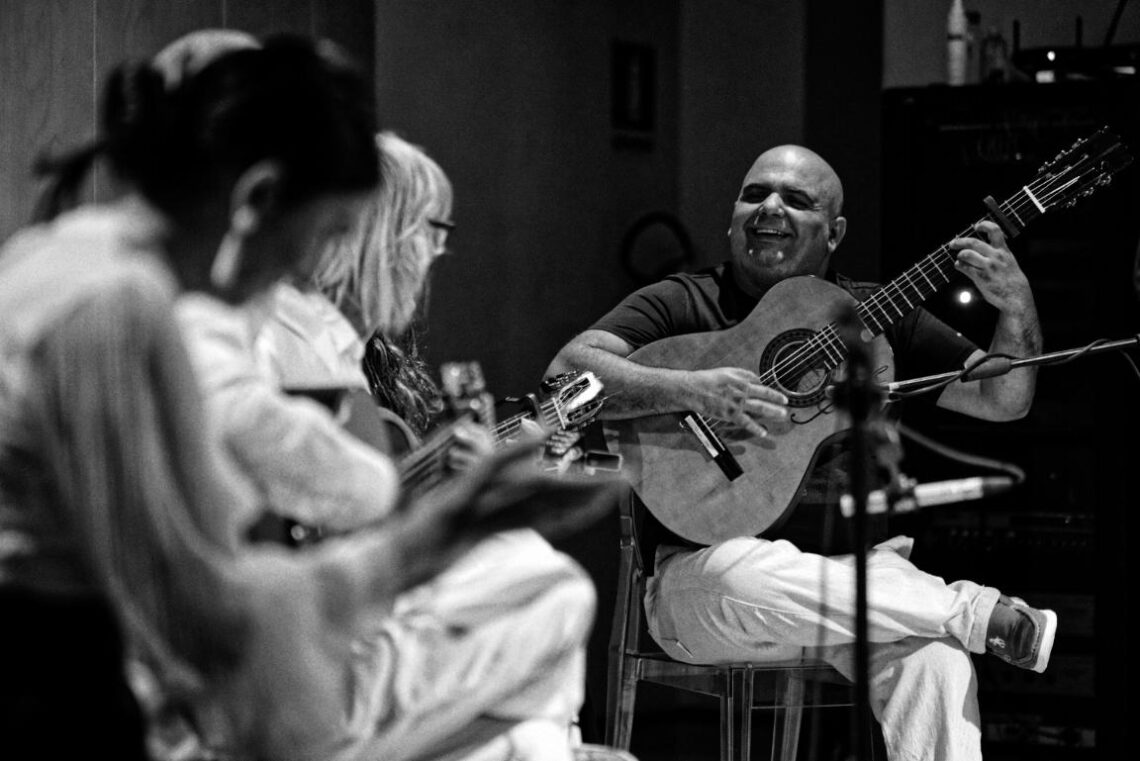
He doesn’t need to sing. His fingers do it for him. Captured in mid-strum, tocaor José Franco radiates something far more profound than musical virtuosity: duende — that elusive spirit of flamenco, born of sorrow, defiance, and joy. His guitar is not just an instrument; it’s a second voice, one that speaks the unspoken, channeling generations of Andalusian lament and celebration. Notice the scene: the blurred silhouettes of fellow musicians in the foreground, the intimacy of a rehearsal or a small performance, where the bond between tocaores is more powerful than any spotlight. The photograph’s depth of field creates a natural hierarchy — we’re drawn not just to Franco’s position, but to his expression. His smile…
-
Three Lamposts
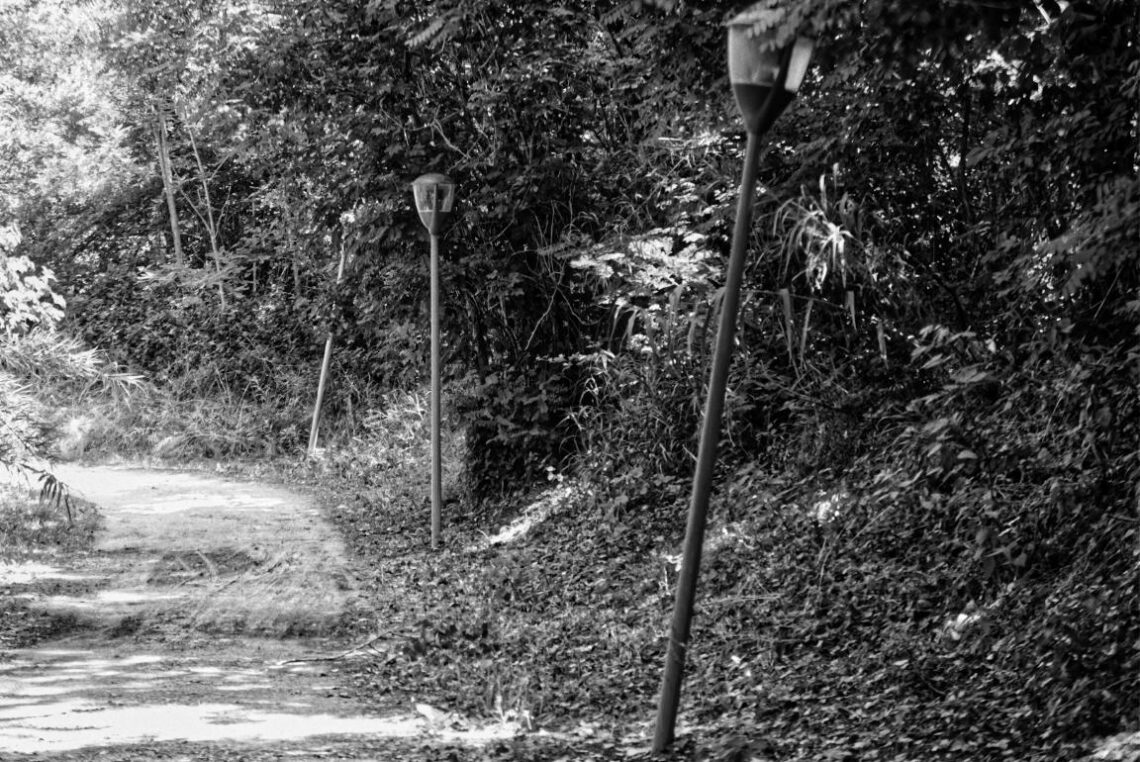
Sometimes the simplest subjects offer the richest visual rhythms. This photograph of three lampposts along a shaded path is a study in repetition, perspective, and the gentle irregularities that occur when human-made structures meet the slow reclamation of nature. The posts lean — not dramatically, but enough to betray years of shifting soil and seasonal wear — and that subtle tilt gives the image a quiet tension. The composition is carefully observed. The frame leads the eye from foreground to background in a gentle S-curve: the path winds left, the lampposts march back into the trees, and the play of shadow and sunlight dapples both ground and foliage. The staggered…
-
Three Sprouts