-
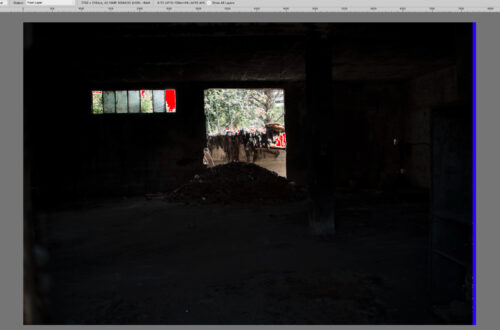
One Shot Story: (Un)Available Coin Lockers at Shin Osaka Station
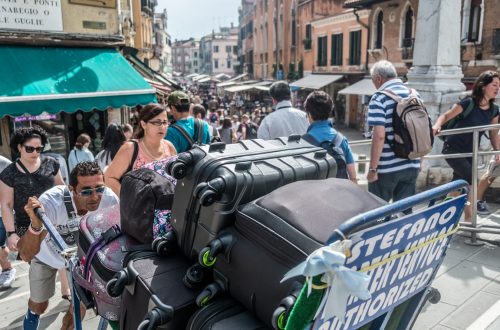
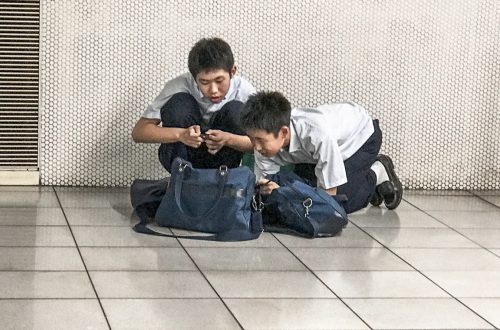
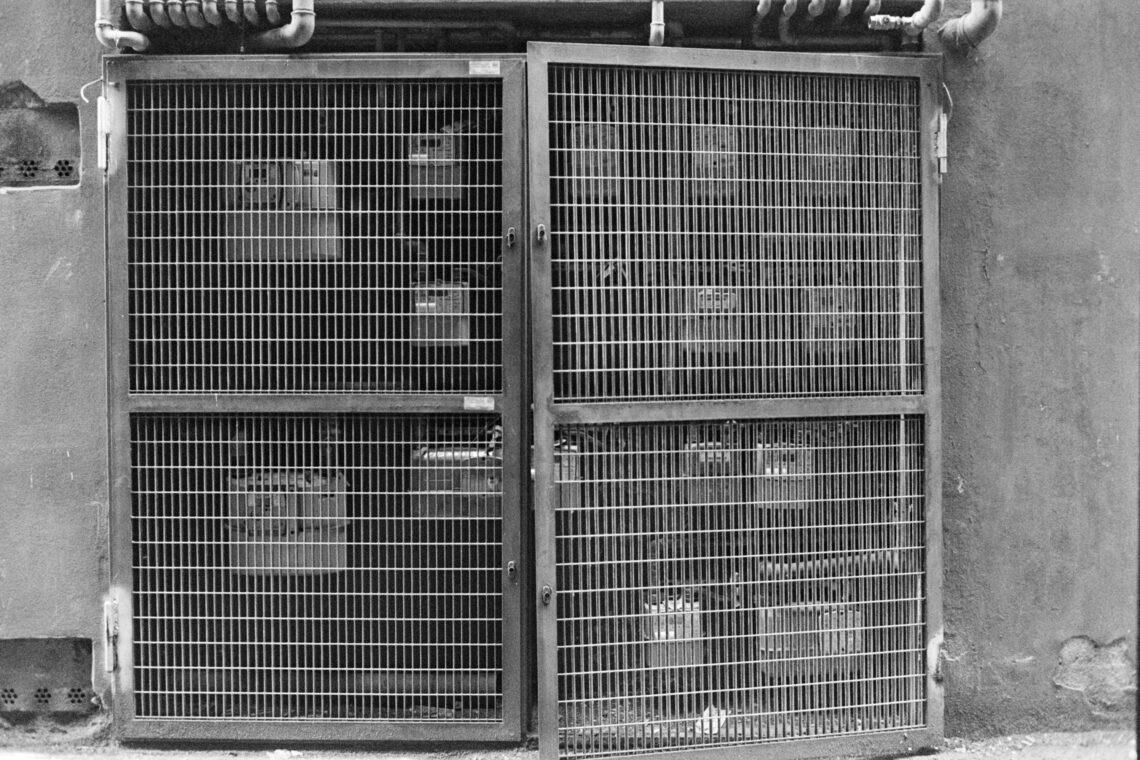
コインロッカー, the coin-operated lockers, are fundamental to travel around Japan: this is the first lesson any first-timer to this Country should learn beforehand. – Initially publishd on 35mmc.com Almost ubiquitous, they are plentiful in train stations and airports and are a convenient way to get rid of your luggage for a few hours or days while you are on a stopover. Until a few years ago, finding an empty コインロッカー was not such a daunting task, even when there were large numbers of tourists. Now, however, things have changed for the worse. Recently, on my way to Tokyo from Kyushu, I did —as the automatic PA system of the Shinkansen likes…
-
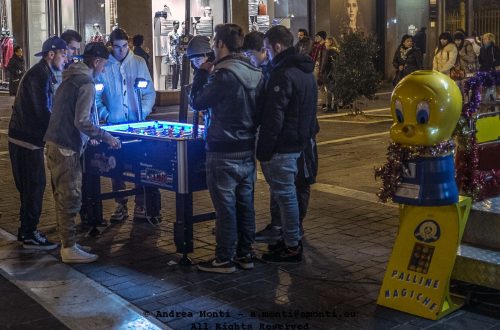
A Night at the Opera – Plays and Opera Photography
This is an abbreviated version of a talk I gave to a local chapter of the Italian Federation of Amateur Photographers (FIAF) on the challenges of photographing in a Teatro all’italiana environment. A word to the wise: this post has just a few pictures because it talks about what happens behind the camera and not about what happens in front of it Initially published by 35mmc.com To approach professional photography in Italian-style theatres, it is essential to understand and deal with a series of difficulties and critical issues that characterise this particular environment. The Italian-style theatre, with its architectural structure, lighting layout and show dynamics, imposes a series of technical and…
-
Gioacchino Rossini – La Cenerentola@Teatro Marrucino
This is part of a reportage I did on December 13, 2024 for the Teatro Marrucino in Chieti (IT) during the performance of Gioacchino Rossini’s La Cenerentola. Gear: Fujifilm X-T4 and X-T5 cameras, Fujinon XF 18-120 F4, 7-Artisans 35/0,95 X-Mount Find out more at https://andrea.monti.photography
-
Shooting Kite Surfing
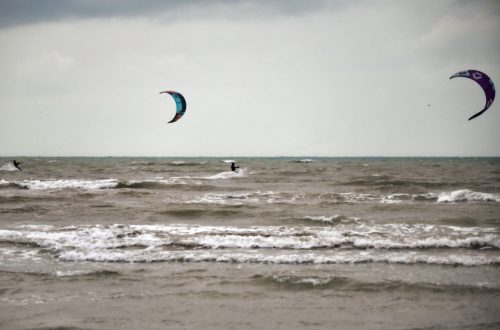
Kite surfing is quite spectacular but difficult to photograph. As with any water sport, the main difference that affects the results is whether or not the photographer is embedded in the organisation. In the former case, being allowed to stay on the official boats allows him to be closer to the action and get better shots. In the other case, the photographer must essentially rely on a telephoto lens (the longer the better) at the expense of depth of field – Initially published on 35mmc.com. Jumps and the flight phase are the most spectacular moments to capture. However, as the next two photos show, it is essential that the autofocus works…
-
The Ferrania Film Series – Episode 1 – Ferrania Orto shot on October/November 2023
This is the first episode in a series documenting the use of Ferrania film in various contexts. Episode 1 features a Ferrania Orto shot with a Nikon 35 TI in Japan, between 25 October and 1 November 2023.
-
How to (Unconventionally) Shoot Track and Field Competitions
Having been given a LOC pass for the European Athletics Championships currently taking place in Rome, I was able to practice unusual compositions in sports photography – Initially published on 35mmc.com Usually, the pictures taken by professional photographers working for media companies, broadcasters or magazines inevitably focus on the umpteenth iteration of the same actions (the concentration before the start, the relay change, the exertion after a fast or long run, etc.). Add to this the fact that the photographers are all in the same part of the venue, the results are very similar, at least in terms of perspective and field of view. This is an example: I don’t…
-
Yet Another WDISF Post
Yes, this is another ‘why do I shoot film’ post, and no, the answers are not ‘because it slows me down’, ‘because it connects me to the act of taking pictures’, ‘because I love the unique feeling of analogue images’, ‘because the inherent limitations of a film camera inspire creativity’, ‘why not?’ or any of the other common (and perfectly legitimate) reasons usually associated with the question. In addition, the wide range of post-processing options available to make a digital image look like an analogue one, even in terms of film emulsion, satisfies the need to produce an image with the ‘personality’ of a specific film. So, even the idea…
-
Photography and the Importance of a Proper Training
In photography, among the various activities falling under the ‘preparation’ label, training is oftend underevaluated. Just as many newcomers to the world of guns think that buying expensive equipment will make them better shooters, many photographers think that mastering a bunch of exoteric camera settings will be enough to get decent pictures. This is summed up in a common piece of advice to novice shooters (of both guns and cameras): get out there and shoot. Results will just happen. I have nothing against a ‘Zen’ approach to things, based on instinct and intuition, but my Western, Benthamite mind does not allow me to forget that preparation is necessary to achieve…
-
Actors, Autumn, B&W, Bruxelles, Colour, Daily photo, Fighters, Fighting Disciplines, Photography, Spring, Summer, Winter
What Does ‘Professional’ Mean in Photography?
Pro’ is the photographer’s blessing and curse. It is the status we all – well, many of us – aspire to. It is the marketing gimmick created by the exploiters of the Gear Acquisition Syndrome to make people believe that tools make the craftsman. ‘Amateur’, on the other hand, is a word associated with casual photographers, ‘wannabe’ artists, and people who want to make you believe that tools make the craftsman. I have always been unconvinced that such a difference exists, at least in the general meaning associated with the words ‘pro’ and ‘amateur’, and in relation to the idea that the equipment used or the quality of the shots…
-
Pentax – In Praise of Usability of Cameras and Lenses
The Internet is full of columns and videos about why ‘I left brand X for brand Y’, magnifiying this or that ‘new feature’ that forced a photographer to ditch his previous setup in favour of a brand new one. Sometimes there is a genuine motivation behind such a choice, sometimes – often – it is just a clickbait set up by the need (or hope) to monetise a piece of content published on a social network. This long introduction violates the golden rule of journalistic writing – tell the reader what’s the matter in the first paragraph or so – but it was necessary because this article is exactly that:…
-
An Exercise in Composition (was: Rowing Boats)
Initially, I took this photo to document the poor state of a rowing teams’ dock. The idea was to praise the passion of this small group, who in the indifference of the general public, keep this discipline alive in a town, where soccer reigns supreme. However, when I saw the photo, it was the composition that attracted my attention: a classic example of the use of converging lines to drive the eye of the viewer. My only regret is that I failed to frame the small boat on the right, missing its bow. Had I been shooting digitally, I would have checked the result and retake the photo. Film, by…
-
二千円
The 2,000 yen note is something of a rarity even for the Japanese. As Japan is mainly a cash-based society (at least for everyday life), I made sure to carry enough money on my recent trip to the Kyushu region.The bank gave me a wad of brand new ¥2,000 notes, which were so unusual that they attracted the attention of many people I exchanged them with. The photo was taken with a КИЕВ 60 TTL and a волна 80/2.8, the film was a Ferrania P30.
-
An Antique Shop in via Cadorna
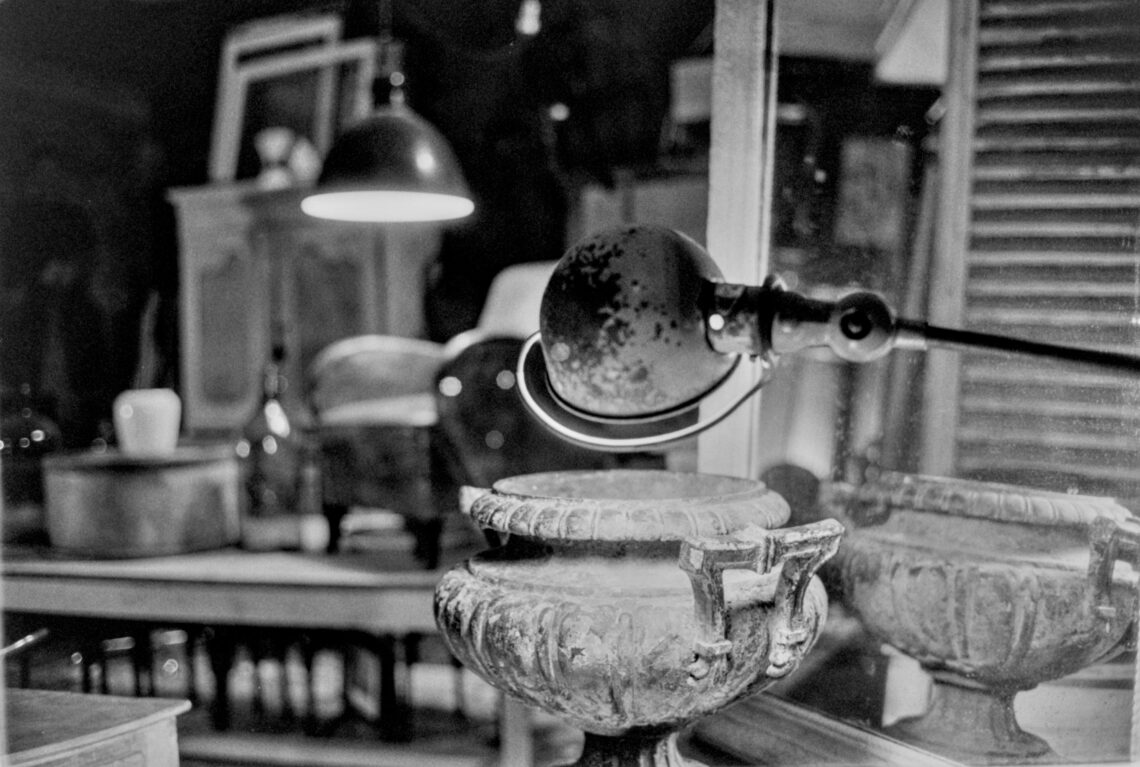
I made this frame with a Bessa R2 paired to a Nokton Classic 35mm f/1.4, loaded with Kodak Tri-X 400. That combination has a way of imposing its character on an image, and here it played straight into the atmosphere of the scene. The urn in the foreground caught my attention first, its surface worn and flaking, the sort of texture that Tri-X renders with a quiet authority. Its reflection in the shop window doubled the presence without turning the composition into a perfect mirror—imperfections in the glass kept it alive. The rust-speckled lamp leans towards it, both physically and compositionally, as though curious about the object’s past. I exposed…
-
A jam in via Alessandria
Taking pictures with a fully manual camera is a way to keep practising the basics. Honestly, I would not use a film camera for a professional assignment —at least, not as the main one— but it’s worth doing it in a less challenging condition.As per the technicalities, waiting for the next batch of Ferrania Orto to arrive, I resorted to a Kodak Tri-X 400 roll, which is my favourite film at these ISOs.
-
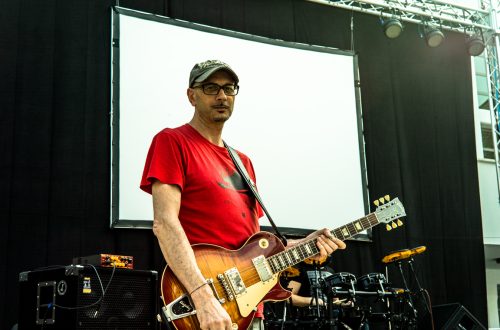
Frank Gambale All Stars – Live@Teatro Marrucino
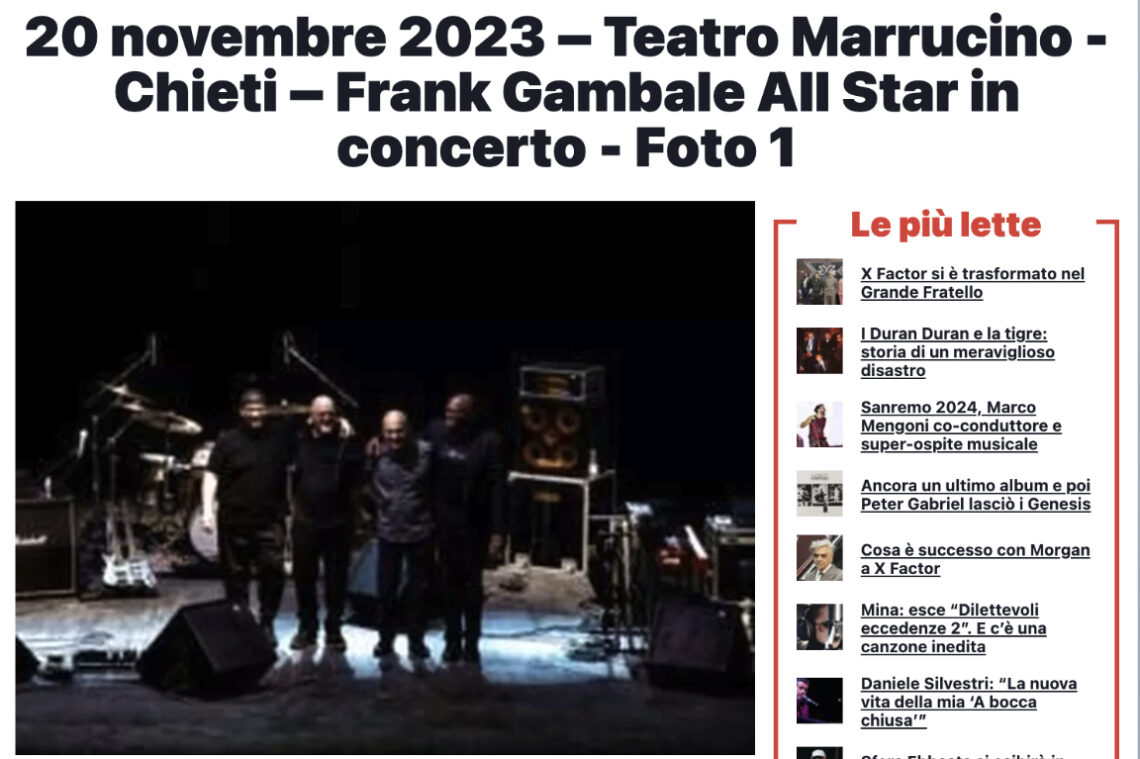
Rockol has just published a gallery with some of the photos I took at the Frank Gambale All Stars concert last 20 November.I’ve been a fan of Gambale’s for a long time and meeting him was a very nice experience: friend, easygoing, positive attitude despite the stress of the Italian tour: a great human being (and I can’t say the same about many of the ‘artists’ I’ve met in my career as a photographer and interpreter). On the technical side, the X-T4 and the lenses (Fujinon XF150-600 and an XF18-120) worked well. At ISO3200, the images have more than acceptable noise, which becomes almost invisible when the shadows are pushed.…
-
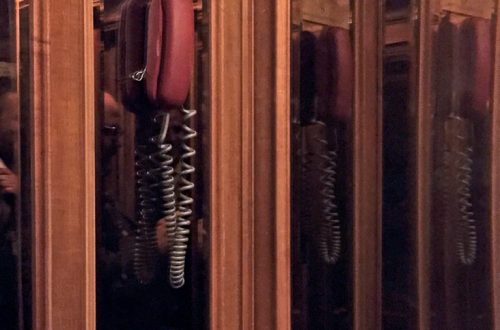
Ghosts of Ginza
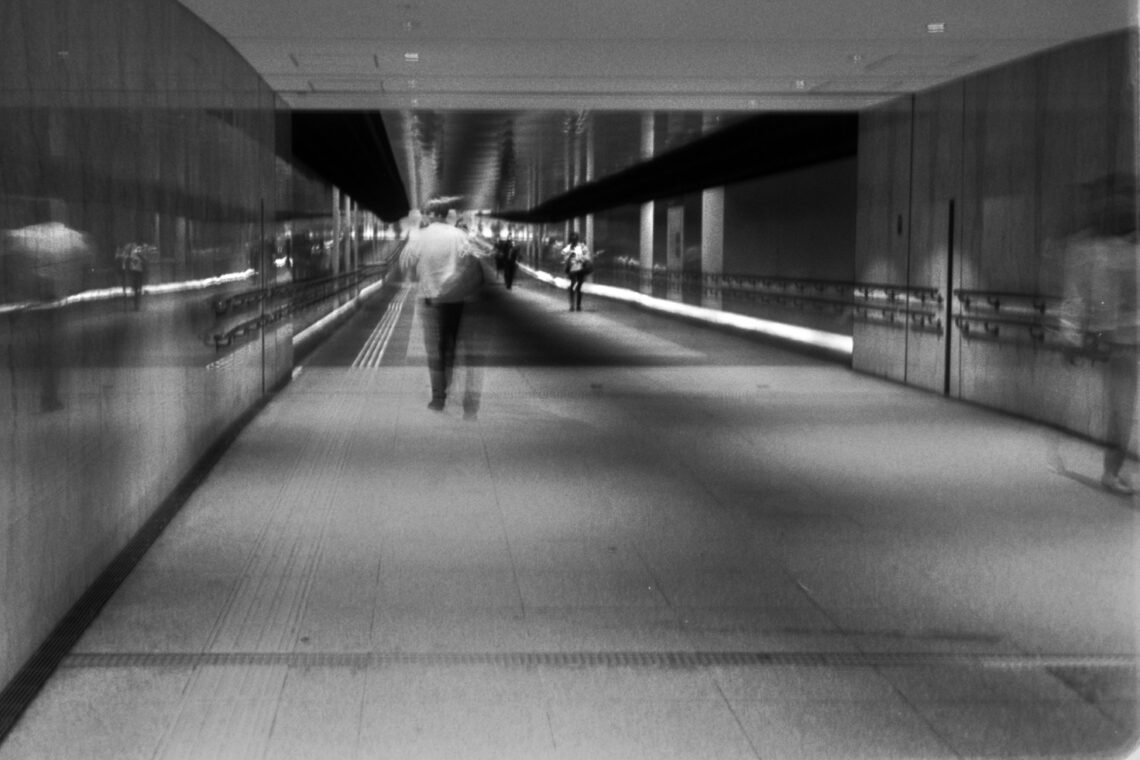
Another shot from my last visit to Japan, taken with a Nikon 35TI and a Ferrania Orto in the corridors of the Ginza subway station, Tokyo.
-
Isolation in Public Spaces
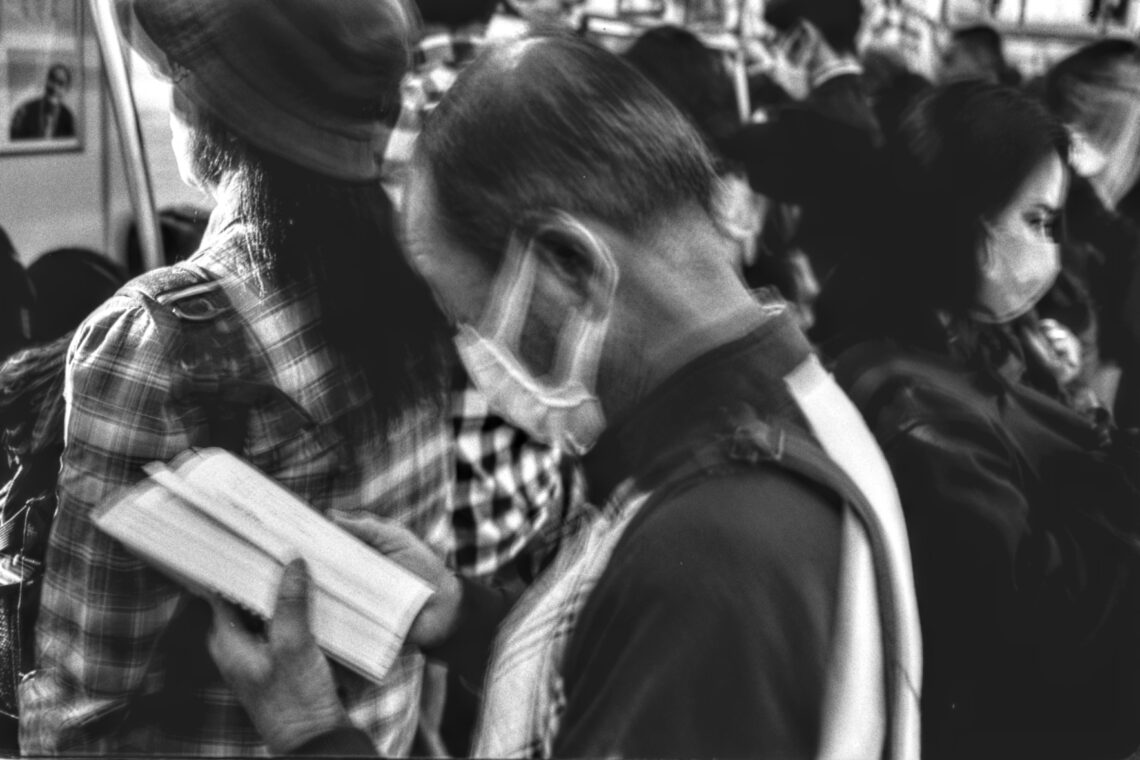
Tokyo’s subway is rarely empty, yet in the press of bodies and the blur of passing stations, solitude often asserts itself. This frame was made with a Nikon 35TI, paired with Ferrania Orto, whose orthochromatic palette brings a certain austerity to the scene. The absence of red sensitivity pulls skin tones toward pallor and renders signage and advertising in a flatter, more subdued register — perfect for distilling a moment that’s more about psychological distance than geographical setting. The composition is anchored on a single figure, set against the geometry of the carriage interior. Lines from windows, doors, and grab rails intersect in a way that almost corrals the subject,…
-
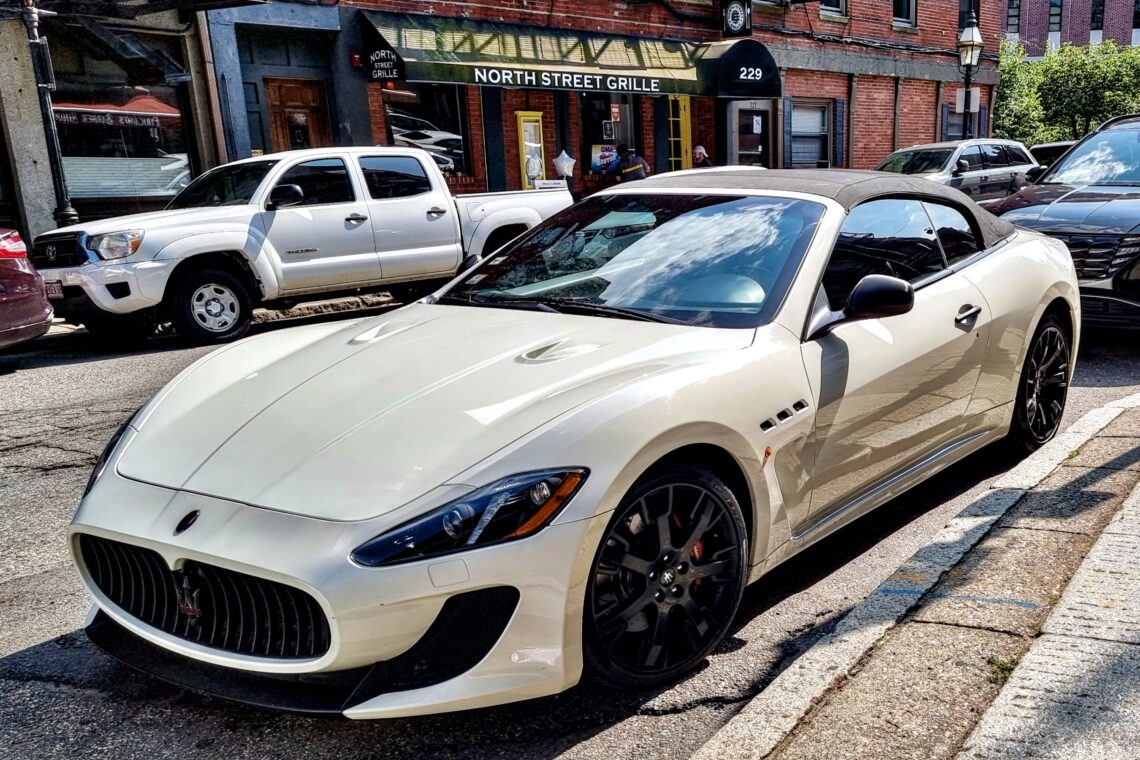
A Maserati GranTurismo
Another piece of Italy in Boston…
-
Coats
Getting rid of film noise is a recurring necessity when shooting film at (relatively) high ISO.In this photo the negative was digitised using a Pentax K-1 Mark I and a Pentax FA 100/2,8 Macro. Then, before inverting the curves to make a positive, it was fed into DxO PureRaw3 (by the way, it properly recognized the camera and lens). Finally, in Affinity Photo Develop Persona’s Details tab, once the curves were inverted, it was necessary to tweak the Noise Reduction options by setting Luminance to 50% and Luminance Details to 0.
-
Powermeters
This photo was taken with an Ilford XP2 Super 400, a Voigtländer Bessa R2 and a Voigtländer 35mm f/1.4 II lens. The film was digitised using a Pentax K-1 and a Pentax FA 100/2.8 Marco mounted on a custom-built rig. The resulting raw was processed in Affinity Photo. In Develop Persona, first the image was turned in black and white, then the master curve was intverted and finally exposure, contrast and other parameters were tweaked.
-
Editing a photo taken with a Carl Zeiss Jena 135/4 Sonnar and a Fuji X-T3
A vintage Carl Zeiss Jena 135/4 Sonnar whose RF mount has been replaced with a Fuji X mount by Adriano Lolli (https://www.adrianololli.com).Coupled with a Fuji X-T3, it delivers pleasant results. Post production is highly subjective, so the final outcome might no be ‘acceptable’ to some taste. Still, the lens is very good.
-
A sample of the Carl Zeiss Jena 135/F4 Sonnar and a Fuji X-T3
This photo was taken with an old Carl Zeiss Jena 135/4 Sonnar whose Contax RF mount was replaced by a Fuji X mount by Master Adriano Lolli.
-
Floating
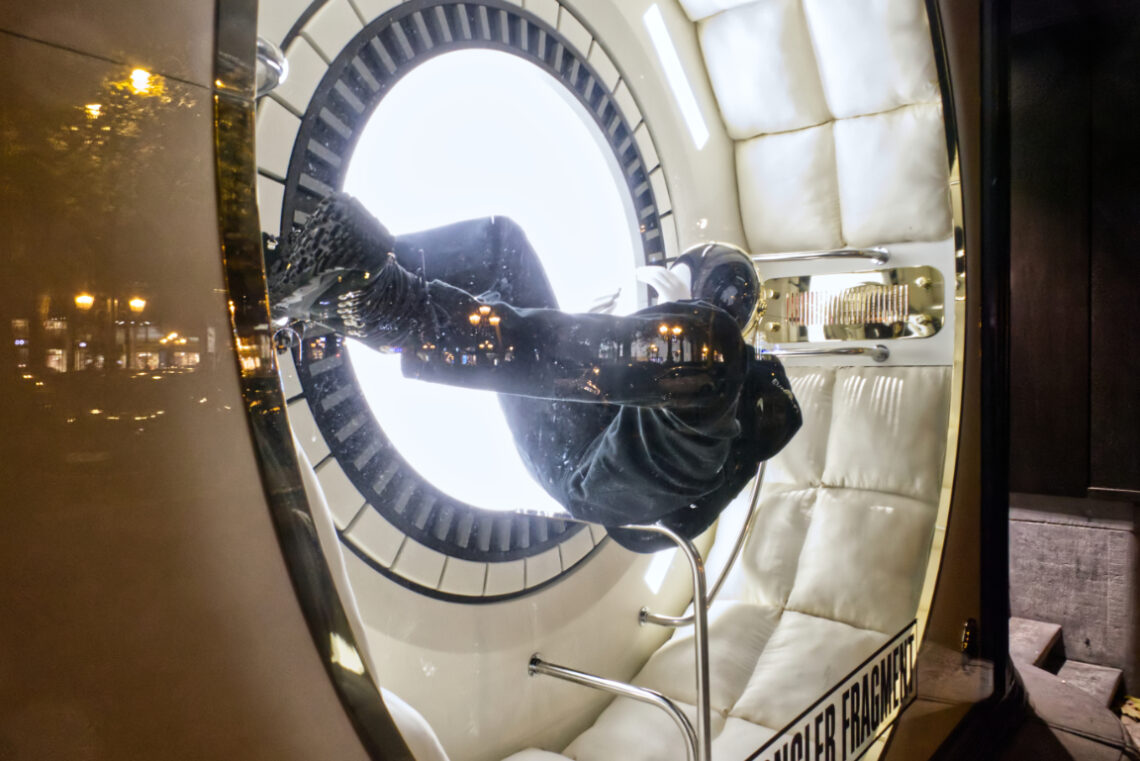
This image was born out of a fascination with stillness in the midst of implied movement. The mannequin — suspended, curled, caught in an almost foetal position — seems to drift within a capsule that looks as though it could be orbiting somewhere far beyond Earth. The large, circular light behind it could be a porthole, a hatch, or simply a stage light; its blinding white obscures what might be beyond, giving the scene a surreal, detached quality. Technically, the biggest challenge was exposure. The extreme contrast between the brilliant backlight and the darker figure risked losing detail on both ends. I chose to protect the highlights, letting the shadows…
-
Unattainable 1:1 magnification with the JJC FDA S-1 and Micro Nikkor 60 2,8
The JJC FDA S-1 does not allow a 1:1 magnification with the Micro Nikkor 60 2,8. It only reaches a smaller factor (about 80%.The probable reason is the excessive lenght of the original step-down ring.Using a thinner step-down ring, as it has been done in this video, does not improve the outcome.