-
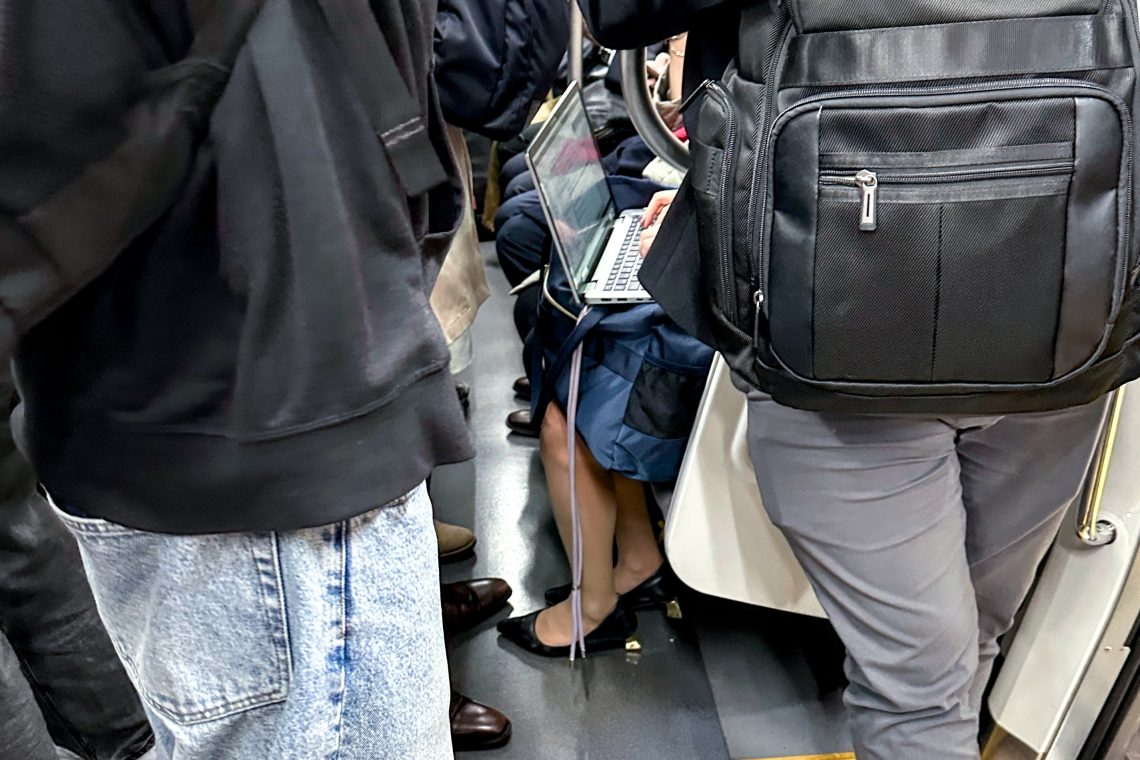
Labour Spilling Into Transit Time
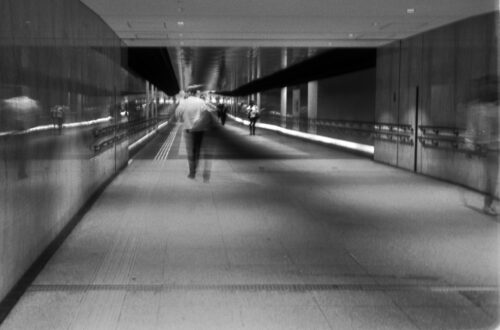
The underground systems in Tokyo, where this photo was taken during rush hours, offer countless opportunities to take interesting photos. It’s no surprise that coaches and platforms are an irresistible temptation especially for foreign photographers. Like every other first-time visitor, years ago I indulged in taking a few pictures in this environment, which, as often happens with photos taken by non-locals, were pretty similar in concept and composition to countless others. This is why I slowed down and tried to make sense of a photo before taking it (not only in Japanese underground). Sometimes, indeed, impromptu shooting works, but you have to be in a state of grace to actually…
-
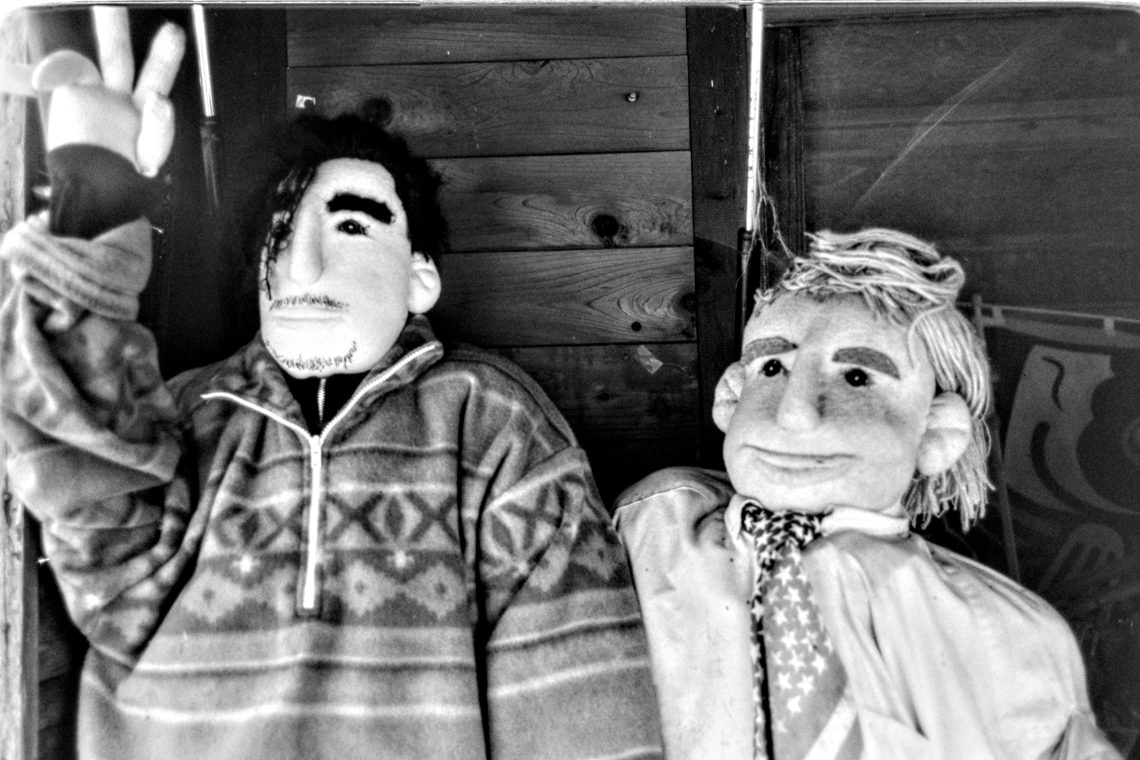
Portraits From Nagoro, the Scarecrows’ Village
In the heart of Iya Valley, in Tokushima Prefeture, lies Nagoro, the Scarecrow Village. Half a ghost-town, half a still inhabited place, Nagoro’s main population is composed by about 300 scarecrows spread all around the village.
-
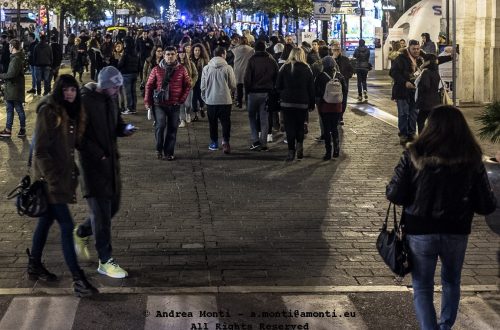
Three-Card Monte in Rome
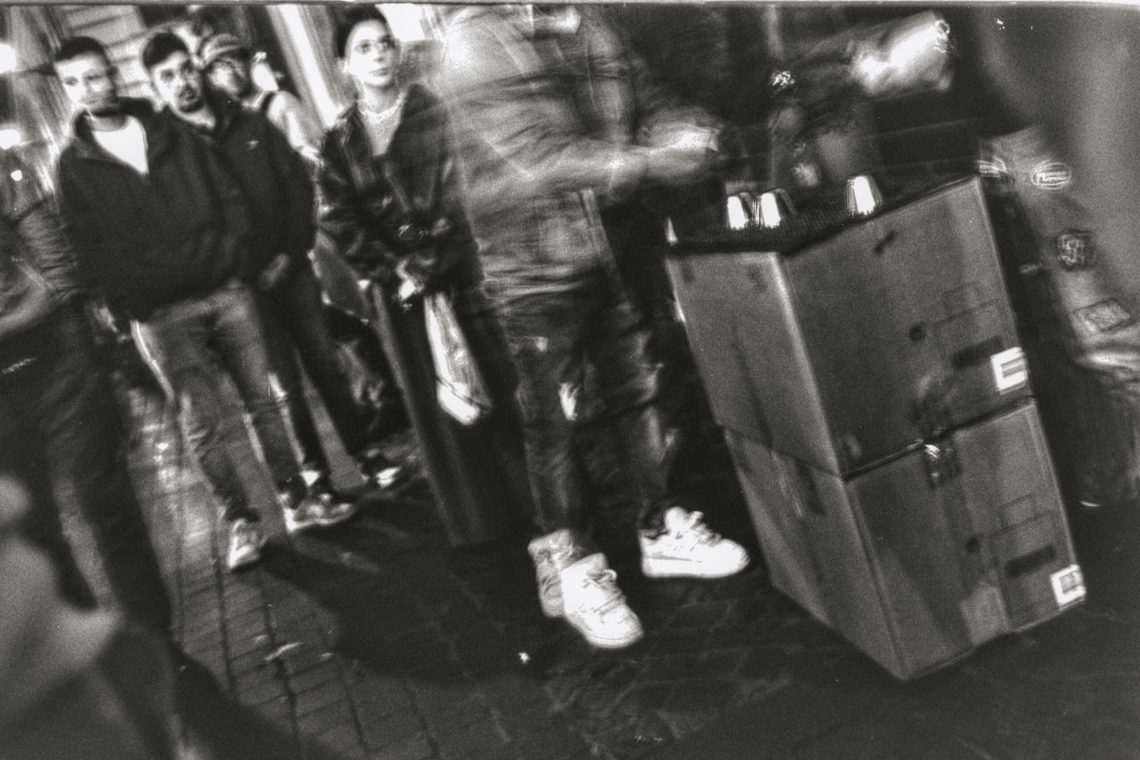
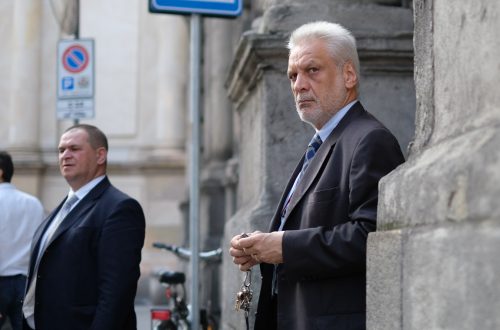
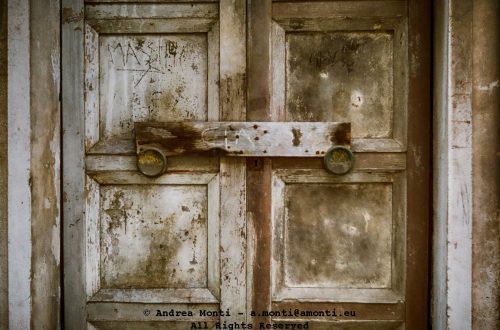
Every now and then, Three-Card Monte scammers appear in unexpected places such as the narrow cobblestone streets between the Parliament and the Pantheon, in the centre of Rome. This was a textbook execution. The game was fast-paced. Hooks pretended to be casual passers-by and traded 50-euro banknotes as if they were Monopoly money, hoping to lure victims into bidding. A muscle was monitoring the scene, ready to intervene at the first sign of trouble. I tried posing as a casual observer, but there was a high risk of being spotted and confronted by the unfriendly lad at my left, so I was unable to set up a properly composed shot…
-
Bad Luck at Heian Jingu Shrine
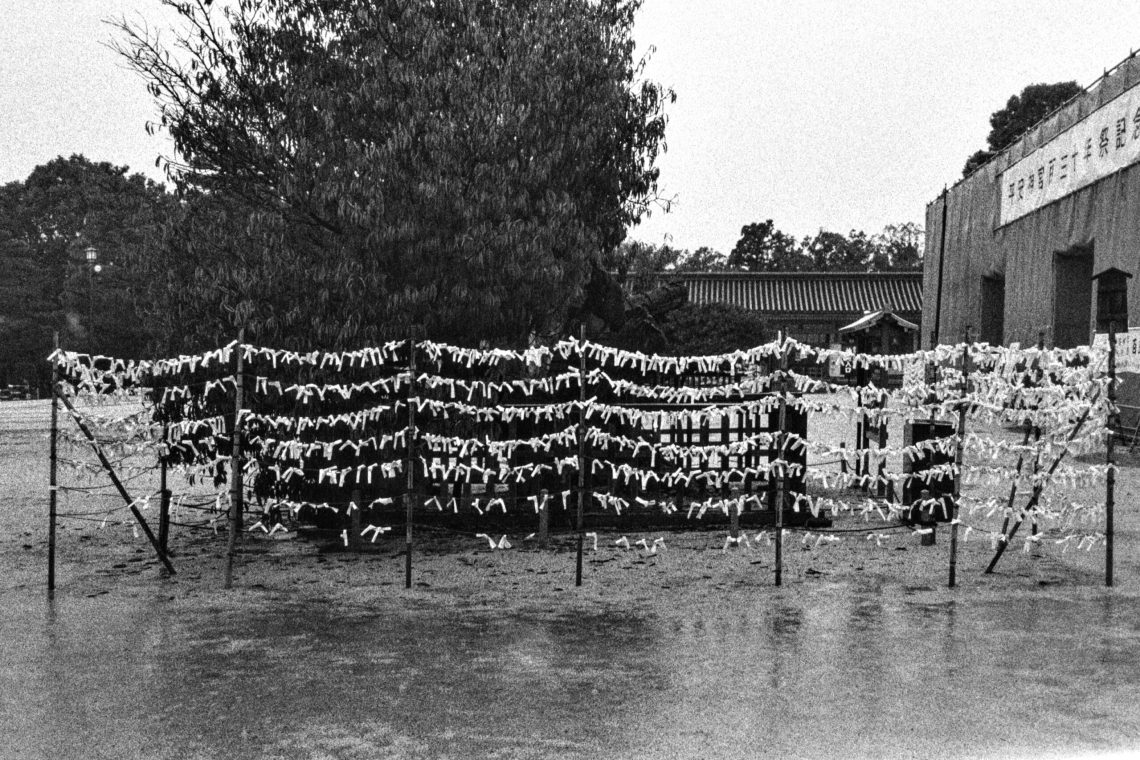
As it is customary in Japanese Shinto shrines, also the Heian Jingu in Kyoto has an area where bad luck is left hanging in the open. 御御籤 —o-mikuji—are small strips of paper that people can choose at random to find out their fortune. As every tourist is told, the general rule is that you should keep the good omens and leave the bad ones hanging on a pine tree or a scaffold. The o-mikuji can be taken for free, however it is also customary to leave a 100-yen coin in return. In fact, this is one way in which shrines are able to sustain themselves, given that there is no…
-
Ceci N’Est Pas Une Junior (or, Cognitive Dissonance – Part Two)
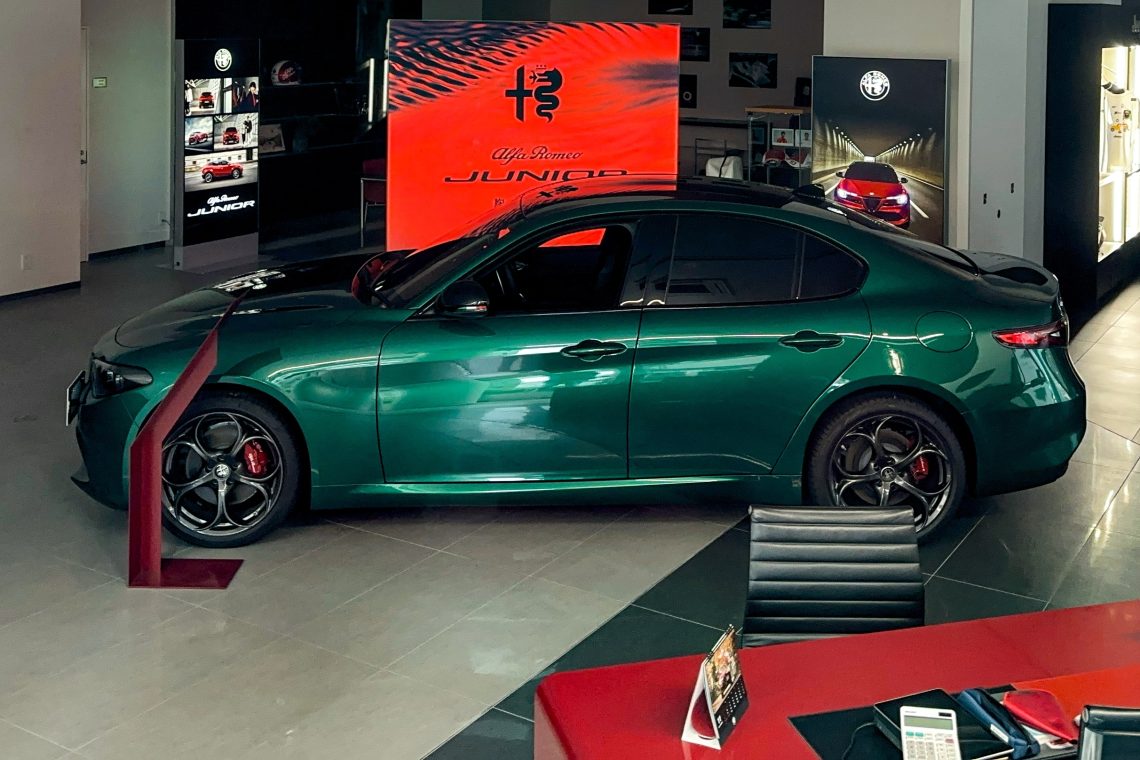
I took this photo last November while exploring a less touristy area of Tokyo: Ikebukuro. I went there hoping to see a limited edition Alfa Romeo Giulia Quadrifoglio, which was supposed to be on display at an official Alfa Romeo dealership. Unfortunately, the Quadrifoglio wasn’t there and the dealer was closed, too. So, the only option left to save the day was to take pictures of whatever could be seen through the windows. Peeping inside, though, I didn’t expect to find anything interesting in a car dealership, but I was wrong.
-
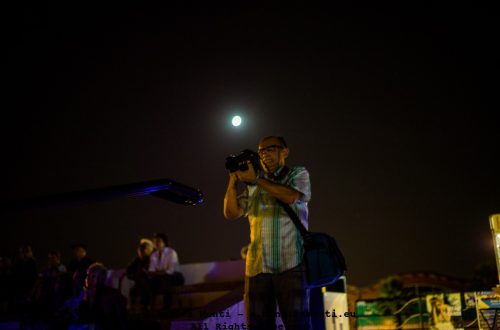
Carl Zeiss Jena Sonnar 135/4 – A Demanding Use Case
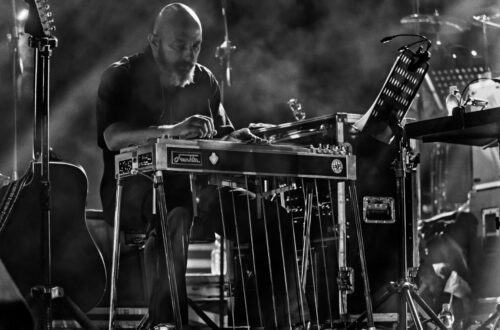
For shooting Rossini’s The Barber of Seville at Teatro Marrucino, I took a Carl Zeiss Jena 135/4 lens as a backup for long shots. Master Adriano Lolli replaced the original Contax mount with a Fuji X mount, saving me from the inconvenience of using an adapter, thus extending the lens up to around 200mm because of the crop factor.
-
Cognitive Dissonance
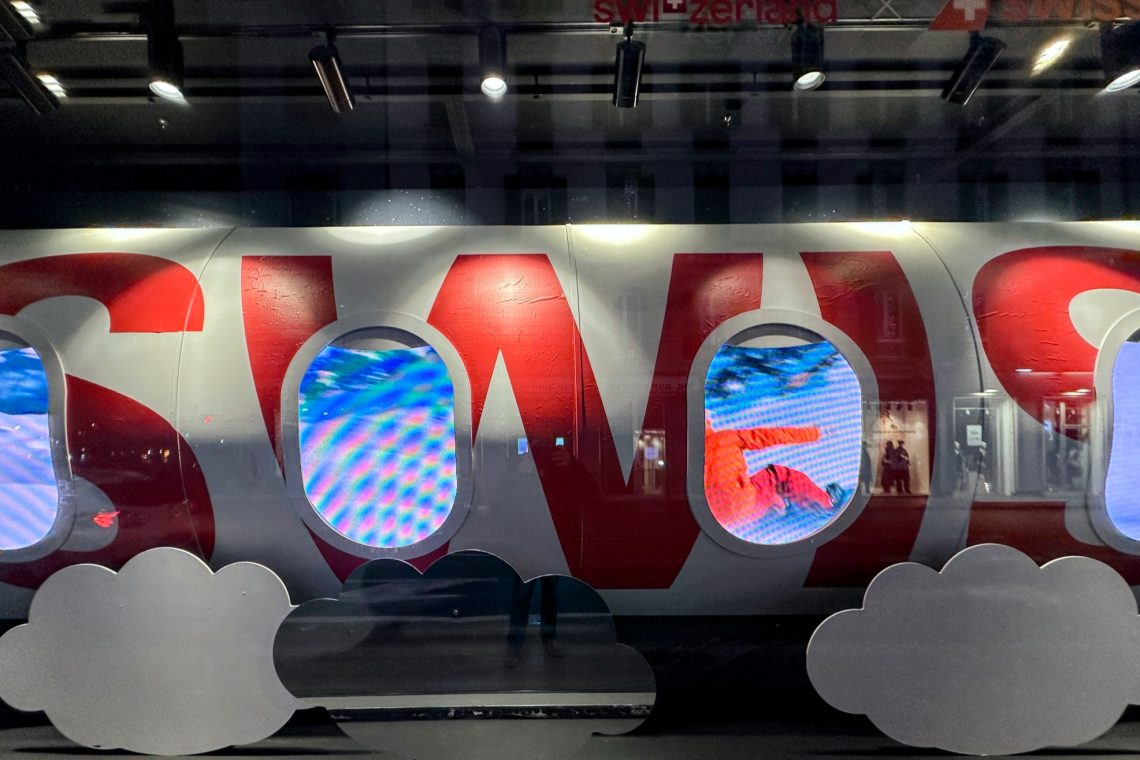
In advertising, sometimes, disregard for reality is a deliberate choice because the aim is to pique the viewer’s curiosity no matter what. At other times, though, it is the result of cognitive dissonance leading to mismatched reality’s depiction, as in the case of the prop in this photo, which I took at La Rinascente in Rome, meant to work as an ad for Swiss International Air Lines and Switzerland as a winter touristic location. At first, I didn’t understand what was wrong with it. The idea looked fairly average —ordinary, I would say: a plane’s fuselage with windows, and videos were shown as if they were the outside view that…
-
Kissaten – One Shot Story
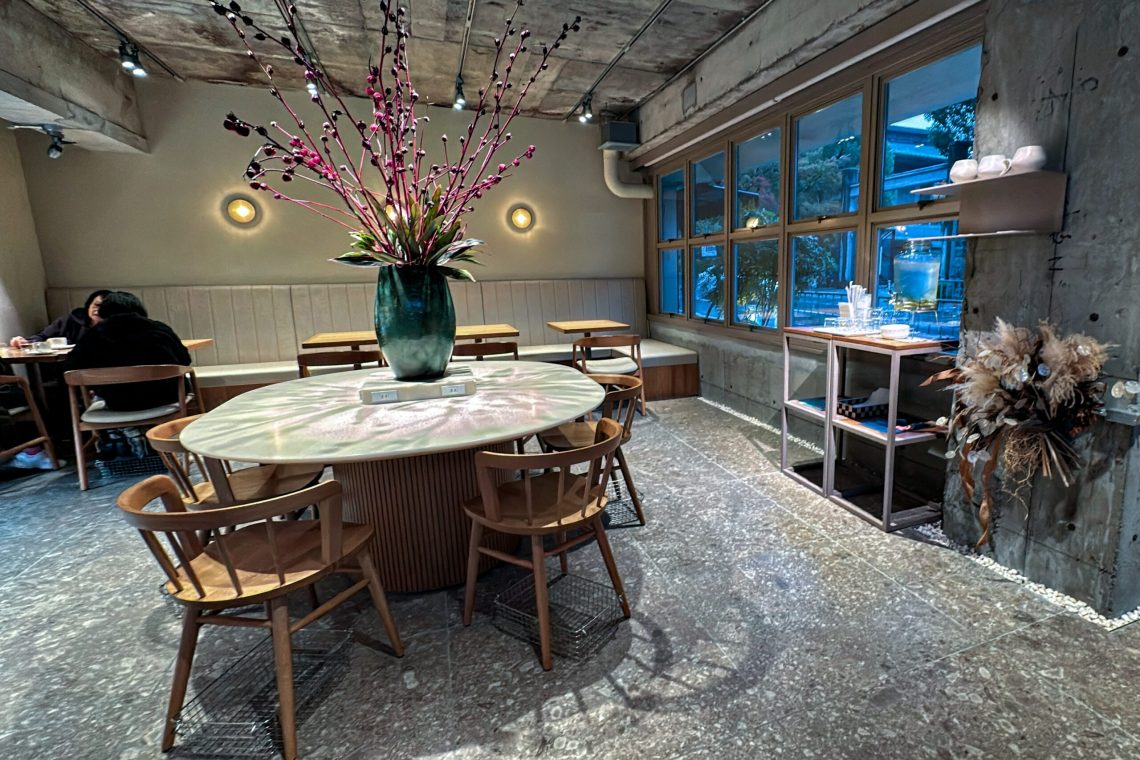
When in Japan, Kissaten have soon became my favourite place to rest for a while or for a longer time, waiting for the rain to stop. Unlike Starbucks and other Western or Western-style chains, Kissaten offers a relaxing environment characterised by emptiness rather than crowded spaces. Of course, it’s possible to find all the places occupied by customers, as in a ‘regular’ coffee shop. However, in my experience, this rarely happens, especially in parts of town not plagued by hordes of aimless tourists.
-
How Nissan Crossing Has Changed Over Time
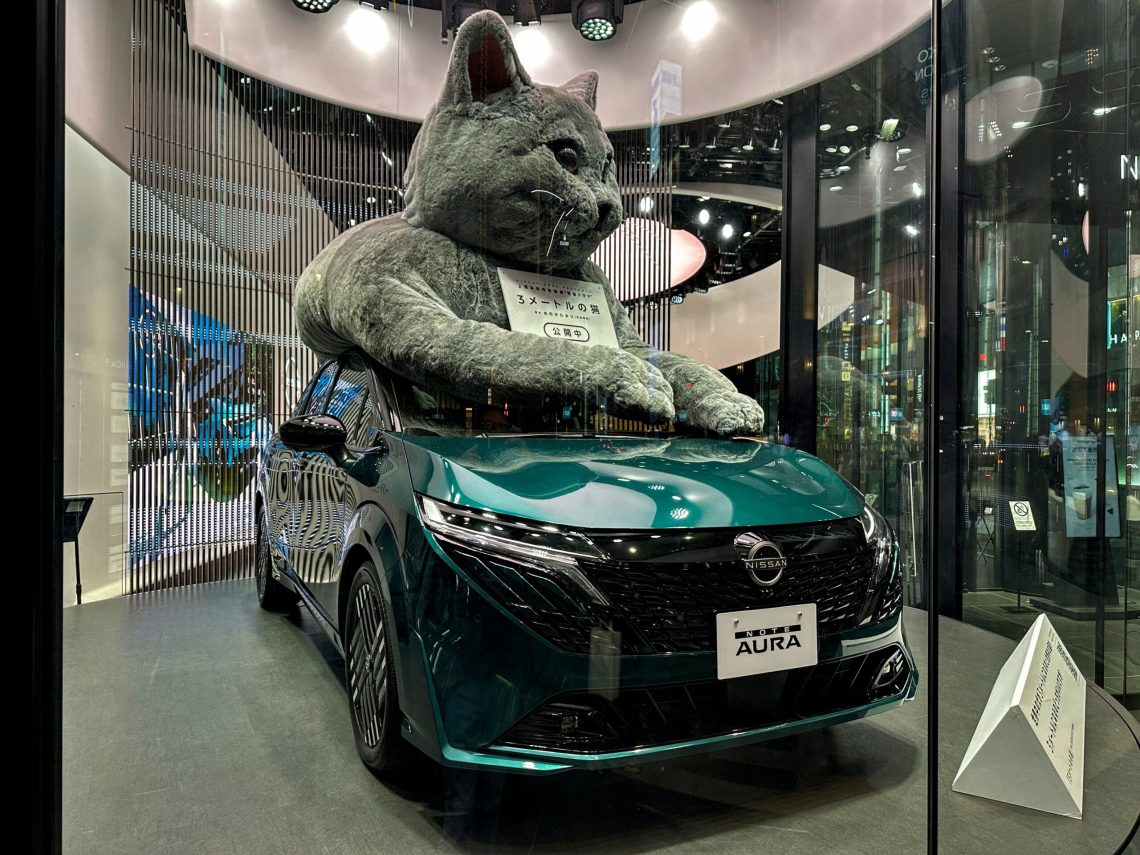
As a petrolhead, I always make a point of visiting Nissan Crossing whenever I’m in Tokyo, even if only for a few hours or half a day. Situated in Ginza, one of Tokyo’s most exclusive districts, Nissan Crossing is an open space in which the car manufacturer displays its concept cars and premium models.