-
In-Eye
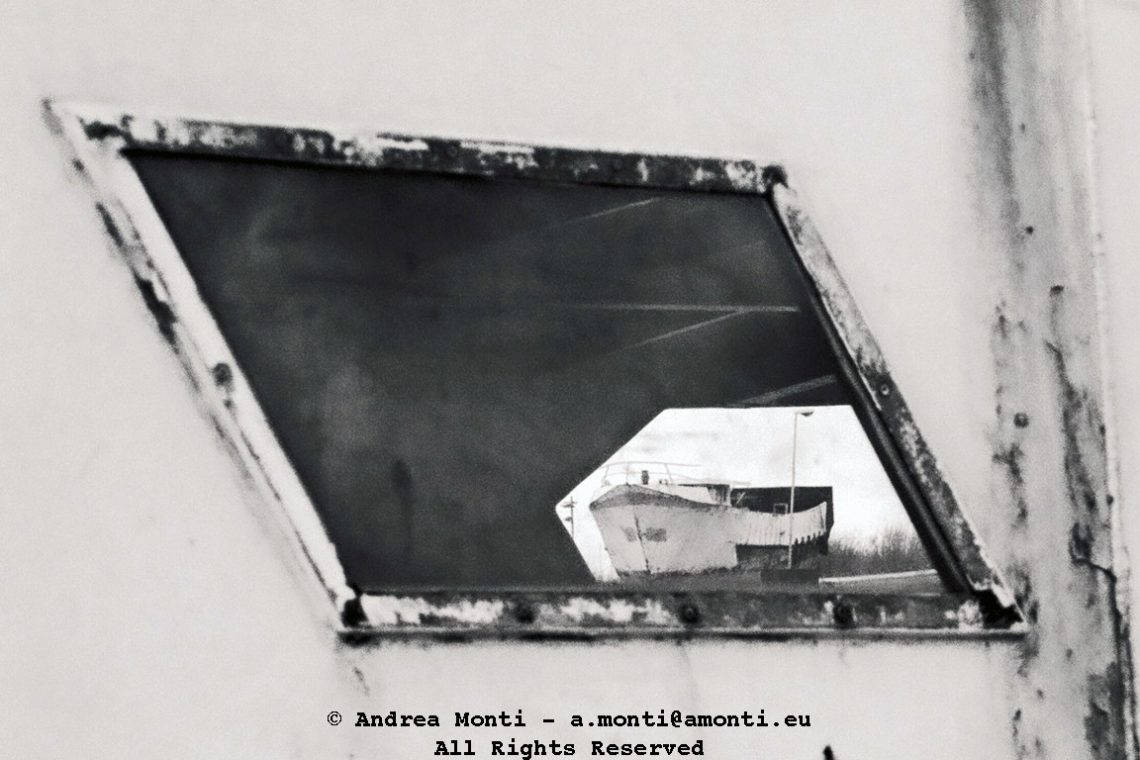
Photography has a curious way of leading the mind into patterns — an instinctive search for meaning, even when none exists. We are hardwired to interpret shapes and juxtapositions, to anthropomorphise objects, to find faces in clouds and stories in shadows. This image is one such case: a seemingly simple shot of a ship seen through a weathered window, yet the geometry conspires to suggest something far more figurative. Here, the diamond-shaped porthole becomes an eyelid, its corroded frame the brow, and beyond it, the bow of the ship forms an unmistakable iris and pupil. It’s a quiet trick of composition — one I noticed only after the fact —…
-
Against the Tide
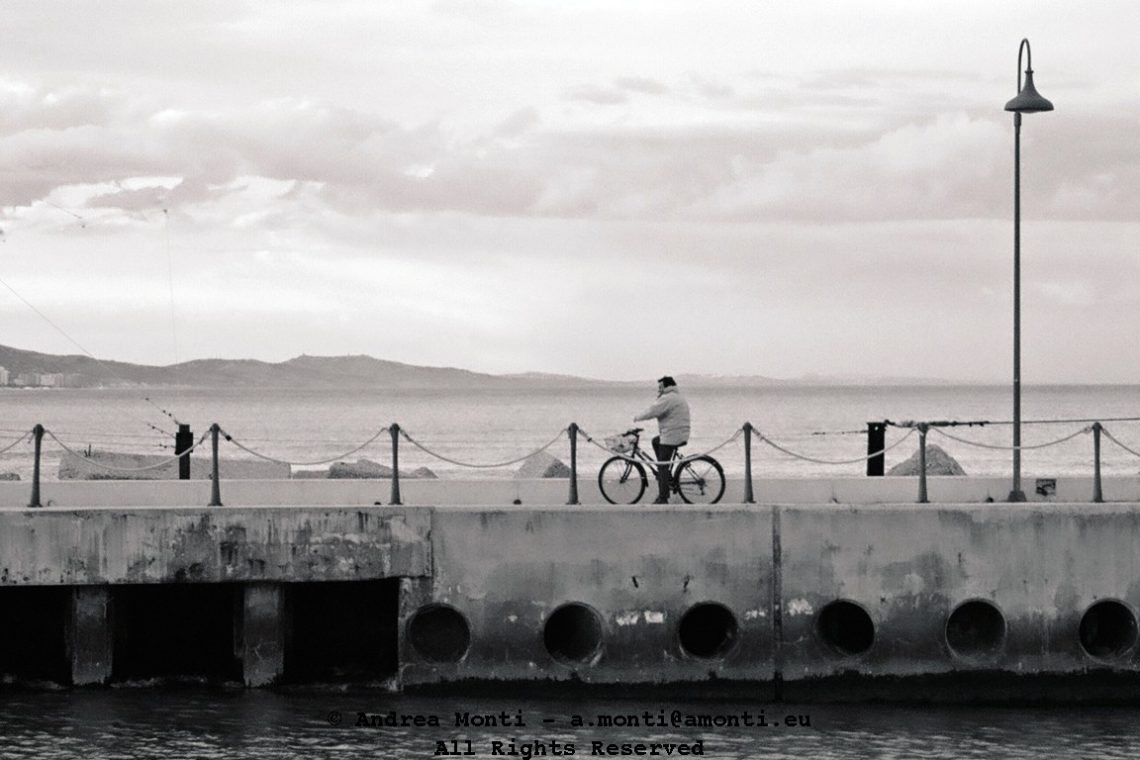
There’s a stillness in this frame that caught me before I even thought about the technical side. A lone figure on a bicycle, paused at the edge of the pier, framed by the unbroken horizon and the muted textures of concrete and water. The light is soft, almost hesitant — no harsh shadows, no dazzling highlights — as if the scene itself wanted to remain understated. I worked to keep the composition balanced but not too neat. The lamp post on the right anchors the image without overpowering it, while the figure sits almost at the centre, enough to draw the eye but still letting the expanse of sea and…
-
What Lasts of a Saturday Night Party
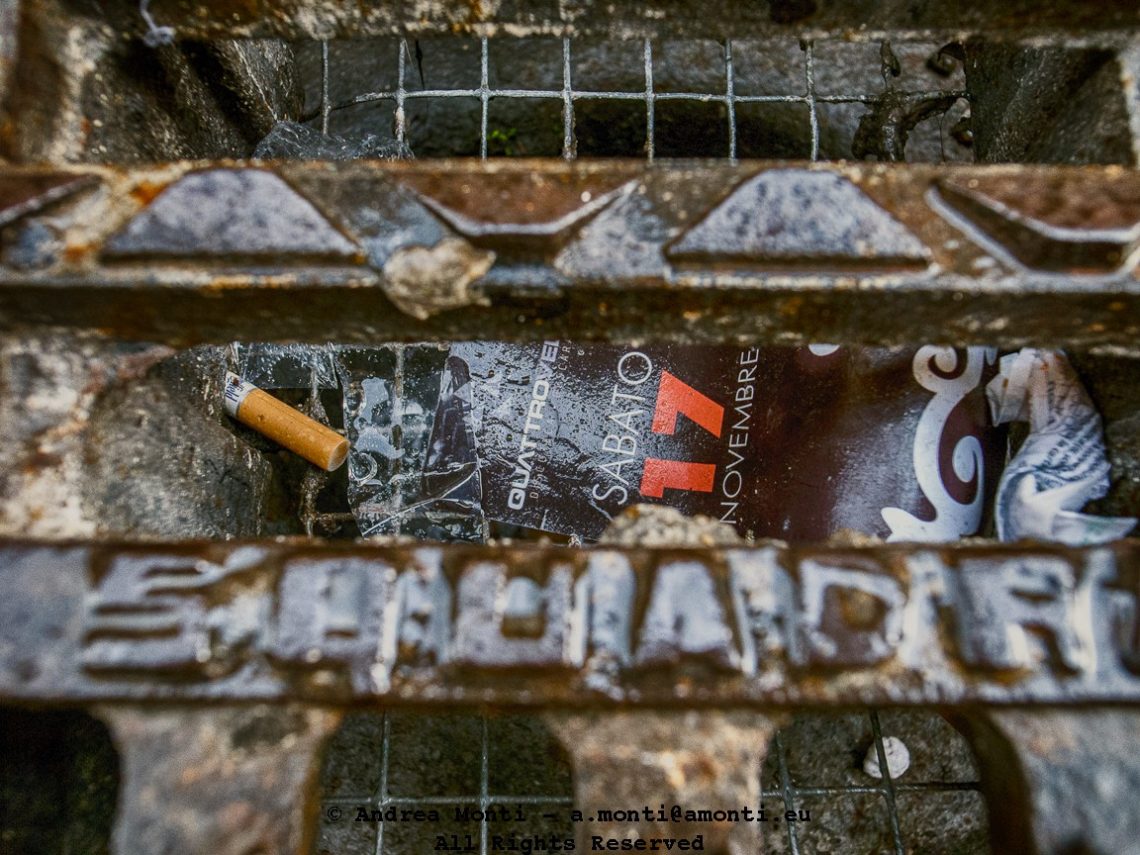
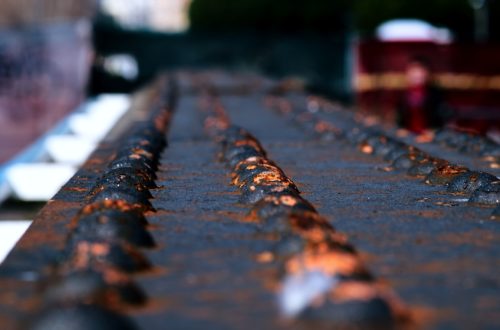
Another week-end is gone. Ordinary life gets kicking-in back. A cigarette butt, a crumpled flyer announcing a Saturday night out, and the cold geometry of rusted iron bars were all that remained. The contrast between the fleeting promise of fun and the permanence of decay was unavoidable. From a compositional standpoint, the shot relies heavily on framing. The bars of the grate, corroded and heavy with age, create a literal barrier between viewer and subject. They cut across the image in thick lines, forcing the eye downward into the scene. The detritus beneath—the soaked paper, the stub, the fragments of broken glass—becomes both imprisoned and revealed. Depth is enhanced by…
-
Lost Cigarettes at Piazza Affari
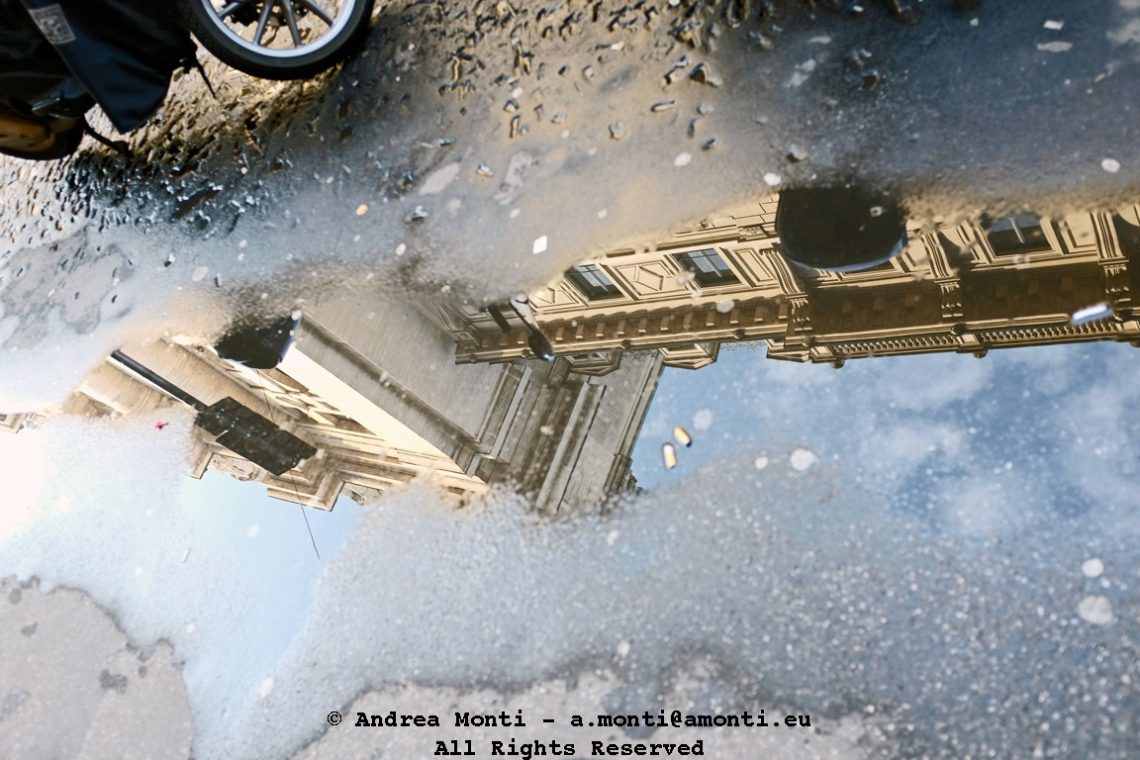
The Milan Stock-Exchange is just closed, another stressful day is gone, so are the cigarettes. The Milan Stock Exchange has just closed. Another day of trading — of numbers, speculation, tension, and relief — is over. The square begins to exhale. The crowds thin, footsteps fade, and the traces of human presence remain in small, almost invisible ways. Here, in a shallow puddle on the cobblestones of Piazza Affari, the day’s residue is quietly recorded: cigarette butts, scraps, and the inverted grandeur of a neoclassical façade. I was drawn to the way the water held both the building’s form and the detritus of the day in a single frame. The reflection, sharp…
-
Let’s get the party started…
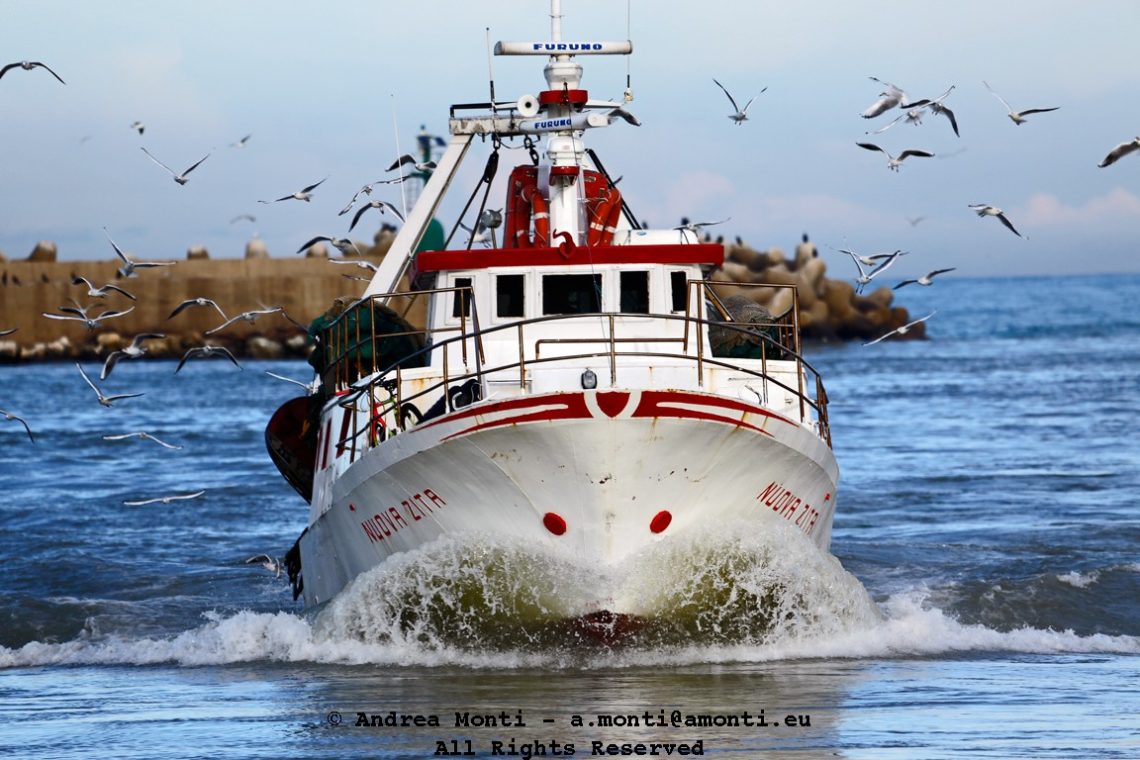
Fishing boats have a way of announcing themselves well before they reach the harbour wall. The sound of the engine carries over the water, but it’s the birds that really give them away — a moving cloud of wings and calls, circling, swooping, waiting for the scraps that will inevitably be thrown overboard. This shot catches the “Nuova Zita” in that precise moment of return, driving straight toward me, bow cutting through the water, foam rising in a perfect V. I chose a dead-centre composition, a choice some might consider too rigid, but here it felt essential. The boat’s symmetry — red trim framing the white hull, the vertical mast…
-
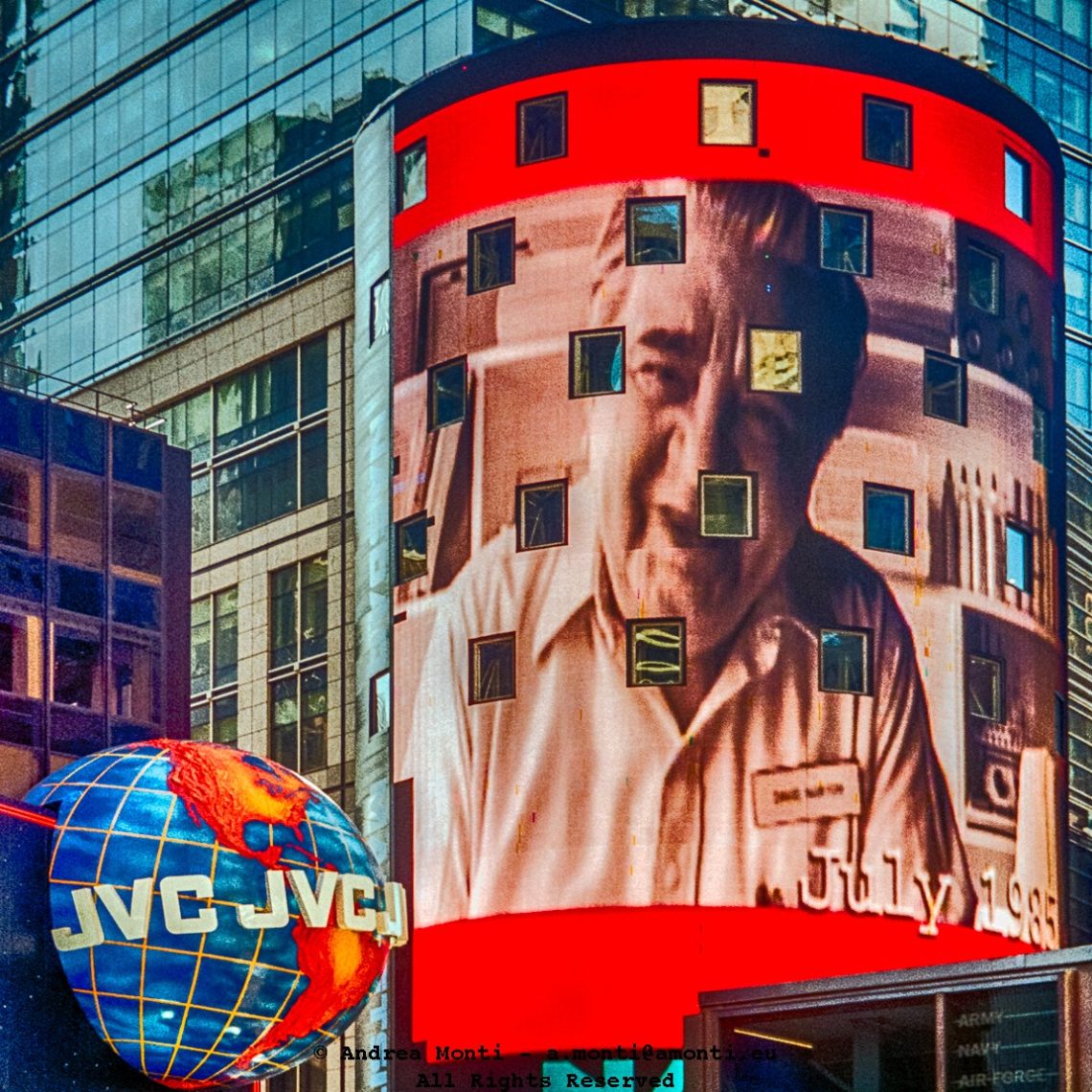
A Portrait on the Nasdaq Building
I took this photograph in the year 2000, standing in front of the Nasdaq building and staring at a giant portrait of a man whose name I never learned. The caption read “July 1985” — perhaps the date of his death — and the grainy, blown-up image suggested an older video still. In the upper-left of the portrait, there were shelves lined with what looked like vinyl records. That detail nudged me toward thinking he might have been a musician or someone who worked in the recording industry. But it’s speculation. What I could say with certainty was that his expression stopped me in my tracks. There was a strange…
-
So Long, Eos-M
A couple of days ago, while wandering around a street-market, I spotted a small “exhibit” of old Nikon and Hasselblad lenses. I thought it would have been nice to get the two “classic” lenses for the System V, so I traded my Eos-M (and lenses) for a Carl Zeiss lenses: a Distagon 50 and a Sonnar 150. The seller was eager to strike the deal, but I’m not sure who actually got the best bargain…
-
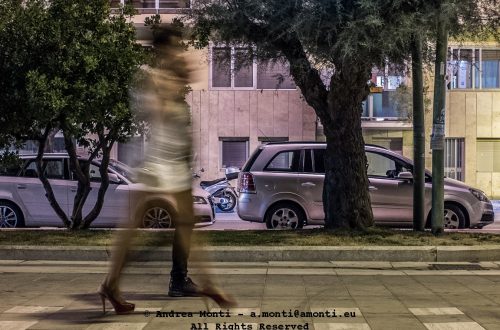
Slow Walk at Mulberry St.
-
Next Time, Maybe…
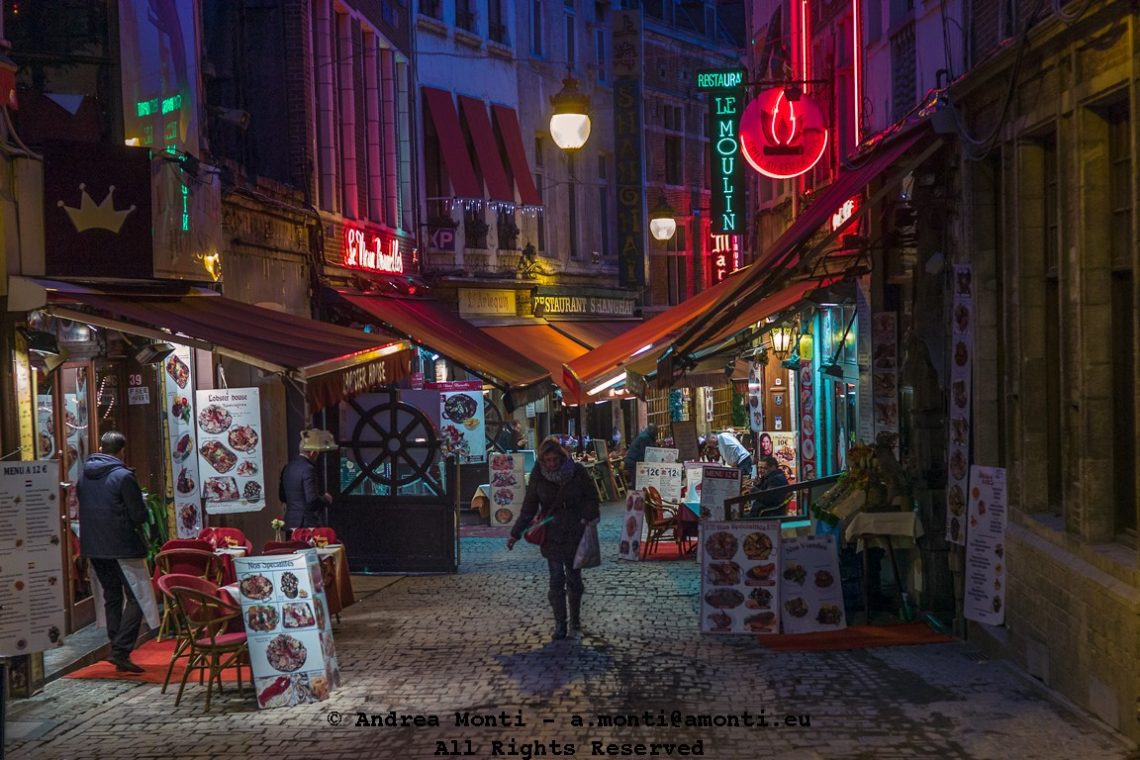
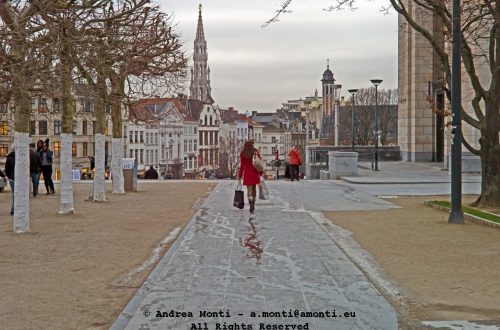
I made this image in one of those narrow alleys in central Brussels, where restaurants compete not just with food but with neon, colour, and attention. It’s visual overload by design. Menus on easels, signs screaming prices, waiters halfway between invitation and insistence. But what caught me wasn’t the display—it was the woman walking straight through, uninterested, unmoved. She wasn’t choosing where to eat. She was choosing not to. The photo hinges on that gesture. Her hands are in motion, her shoulders hunched from the cold, her gaze slightly lowered. She becomes the counterpoint to the street’s whole premise. All this effort around her, and none of it lands. That’s…
-
The Lost Battle
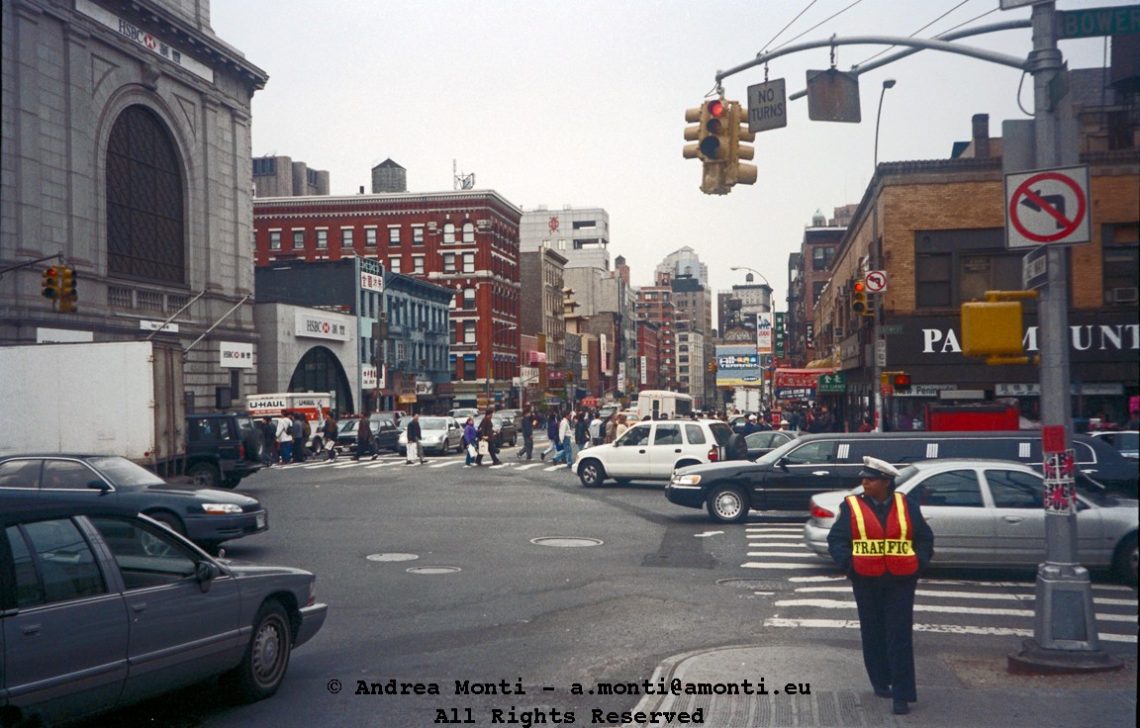
Against the New York traffic, the controllers themselves, contended in vain.
-
Fisherman’s Friend
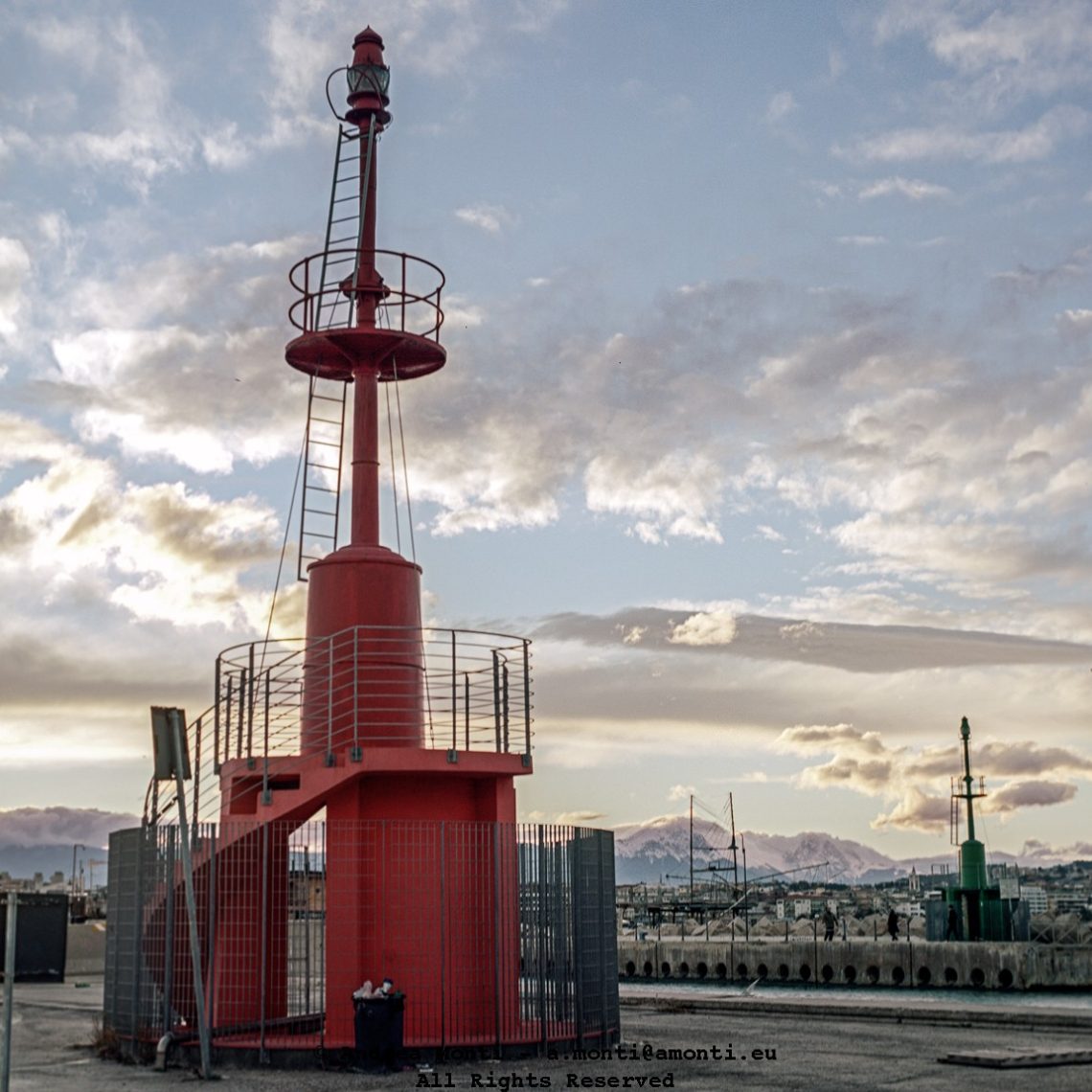
When the course is set back to the dock, especially at night, there is no better companion than the reassuring glow of the harbour’s twin beacons. These masts, painted in unmistakable red and green, have long served as silent guides, their geometry as familiar to mariners as the constellations above. This photograph, titled Fisherman’s Friend, plays not only on a brand name but on the enduring role of such structures in the choreography of safe returns. From a compositional standpoint, the image centres on the red mast, giving it commanding presence against a pastel-hued evening sky. The placement is deliberate—slightly forward and to the left of the green twin in…
-
Life And Work On A Fishing Boat
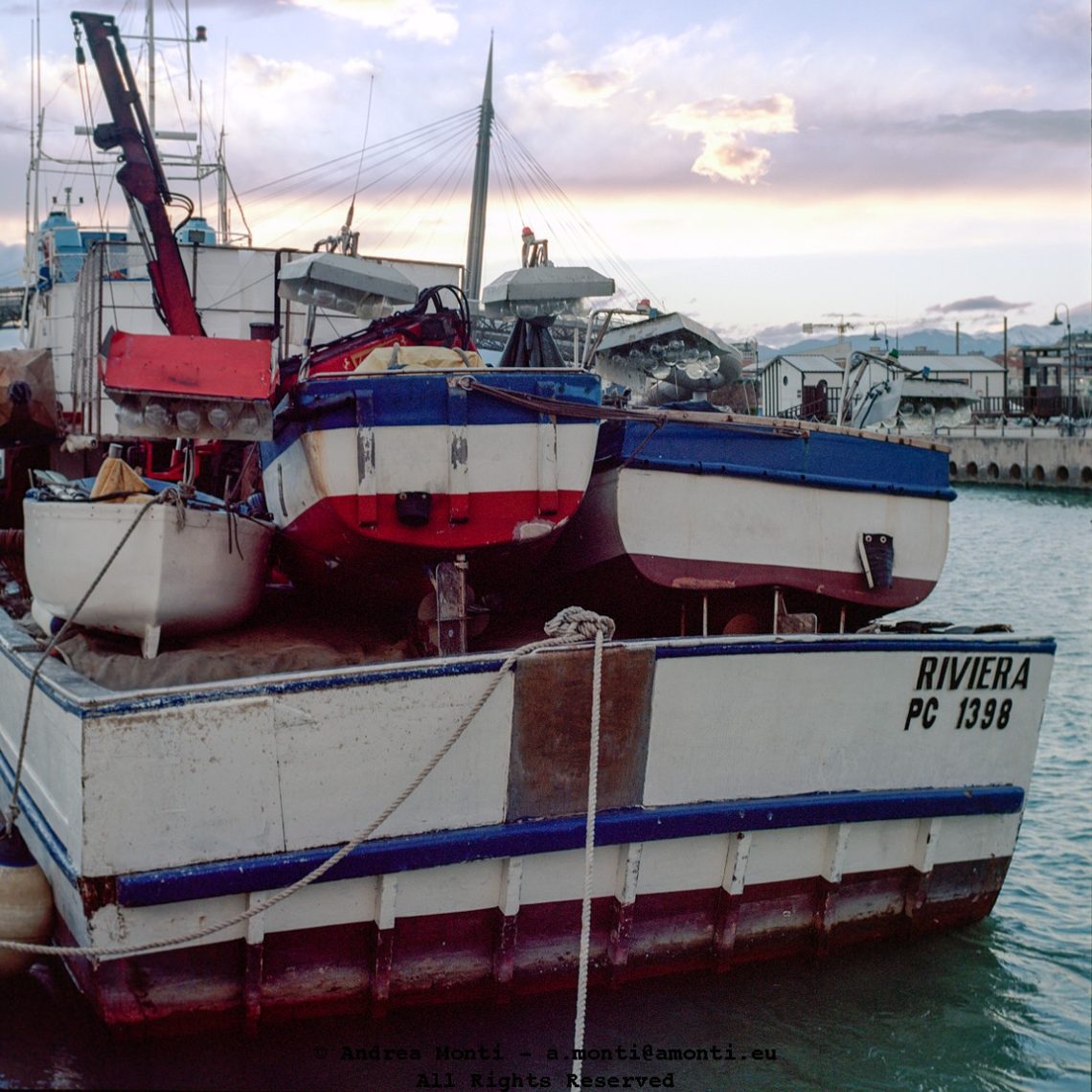
I took this just before dusk in a working harbour, where boats aren’t romanticised—they’re tools, piled with other tools, patched, rusted, functional. Riviera isn’t posing. It’s docked, burdened with skiffs, plastic crates, folded nets, and the quiet fatigue of a long shift at sea. The composition pushes tight against the frame, stacking hulls on hulls, blocking any clear horizon. The visual noise—cables, ropes, red crane arm—disrupts the scene enough to pull you into its clutter. The sky, soft and forgiving in the background, does little to alleviate the heaviness of the vessel. That contrast matters. Technically, the image holds despite the mixed lighting. The fading day cast a bluish tint…
-
Late Afternoon Workers
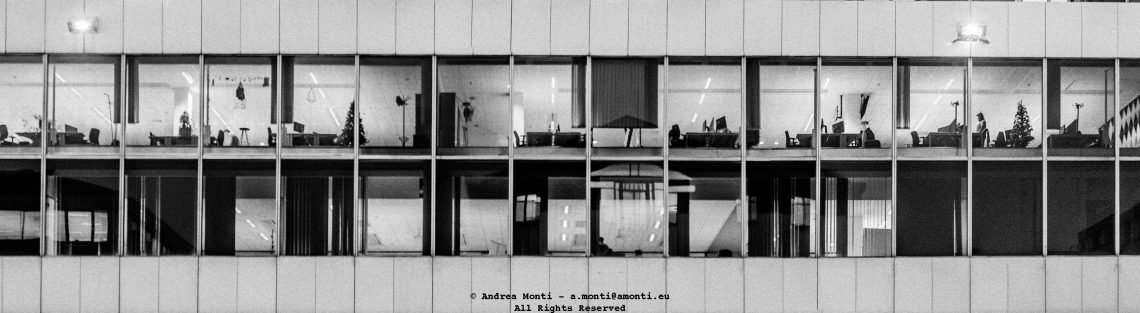
At Place de la Monnaie, in Bruxelles, late-afternoon workers look their life go by, while the rest of the world, enjoy the fun. This photo felt less like a building and more like a roll of exposed film. Fifteen windows, side by side. Fifteen little theatres. The framing is perfect—not by accident, but by architecture. A row of lives unfolding under fluorescent light. You can almost hear the hum. Some rooms are empty. Some are dim. In a few, people remain—cleaning up, wrapping gifts, turning off screens. There are Christmas trees, forgotten chairs, coats slung over partitions. And above all, stillness. Each window holds its own shot. Unrelated, disconnected. A…
-
Shopping in Bruxelles
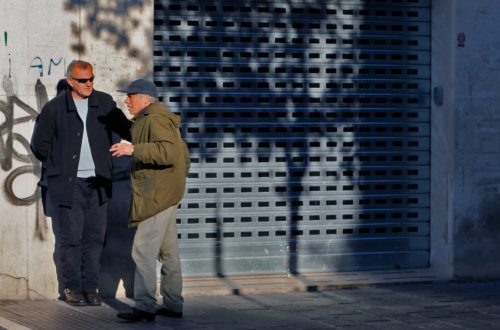
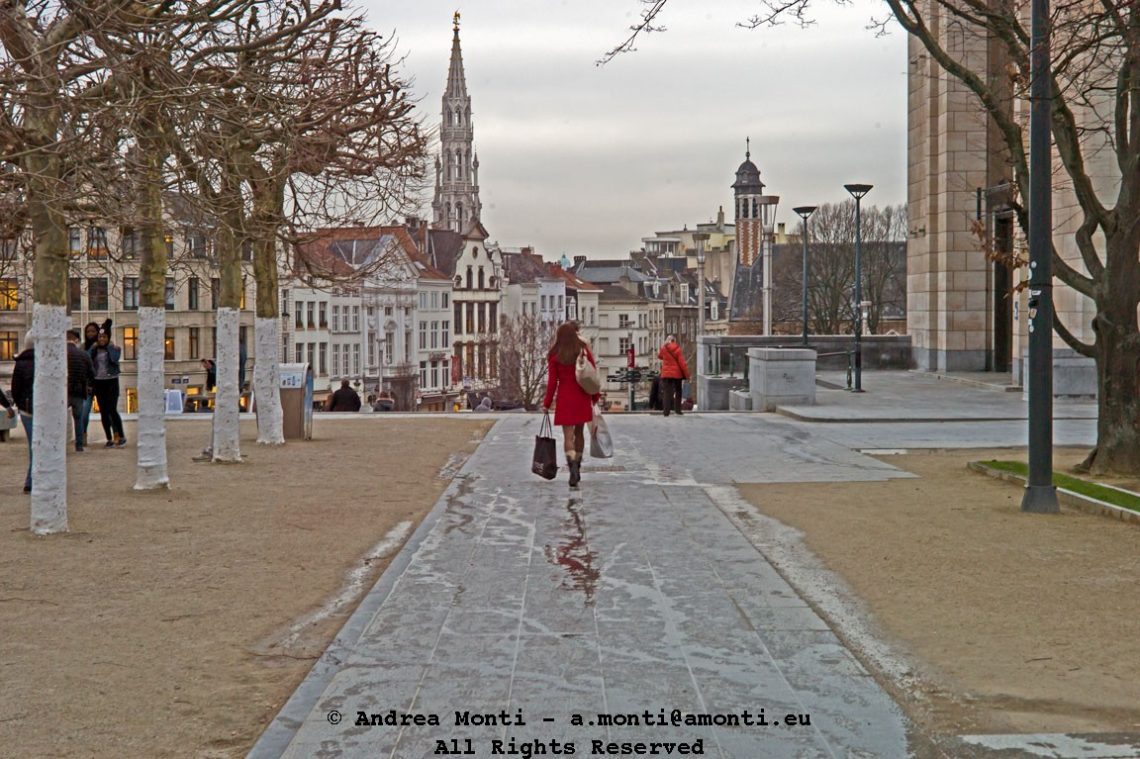
Early afternoon in Bruxelles, The best moment to go shopping.
-
The Seagull’s Rest
-
After the Party
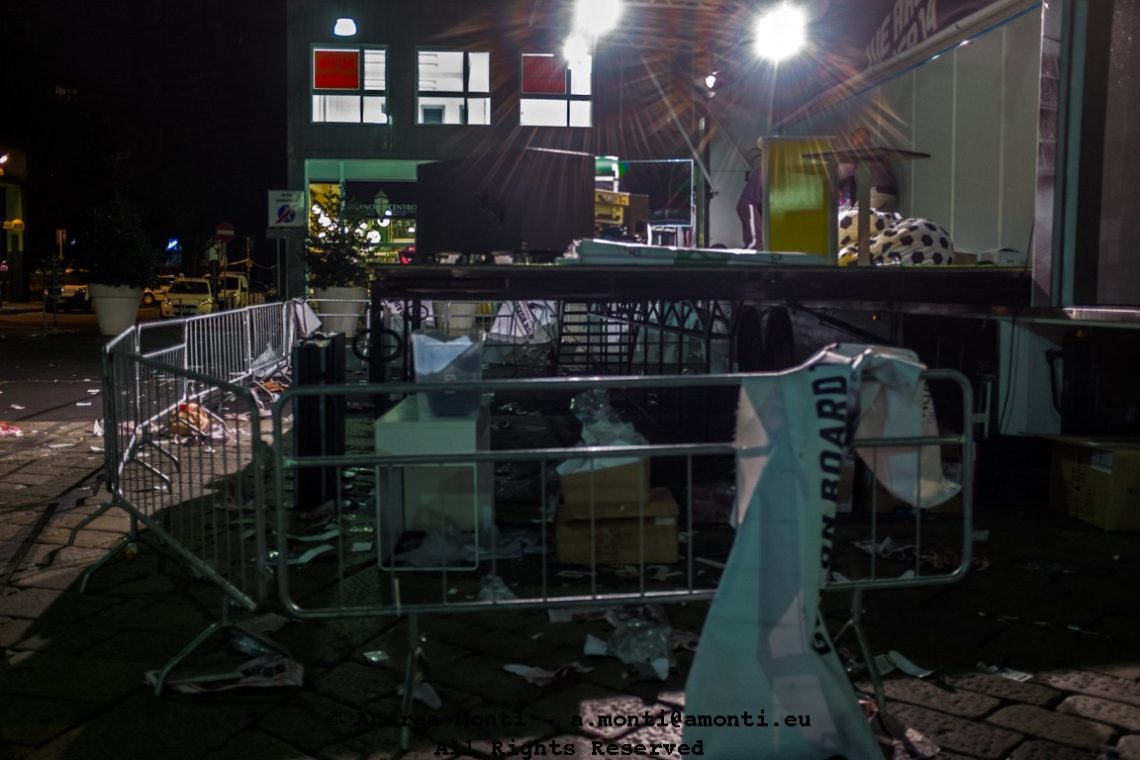
‘Round Midnight. The party’s gone. It’s time to clean the mess. Tomorrow, the square comes back to its dull life.
-
An urgent phone call?
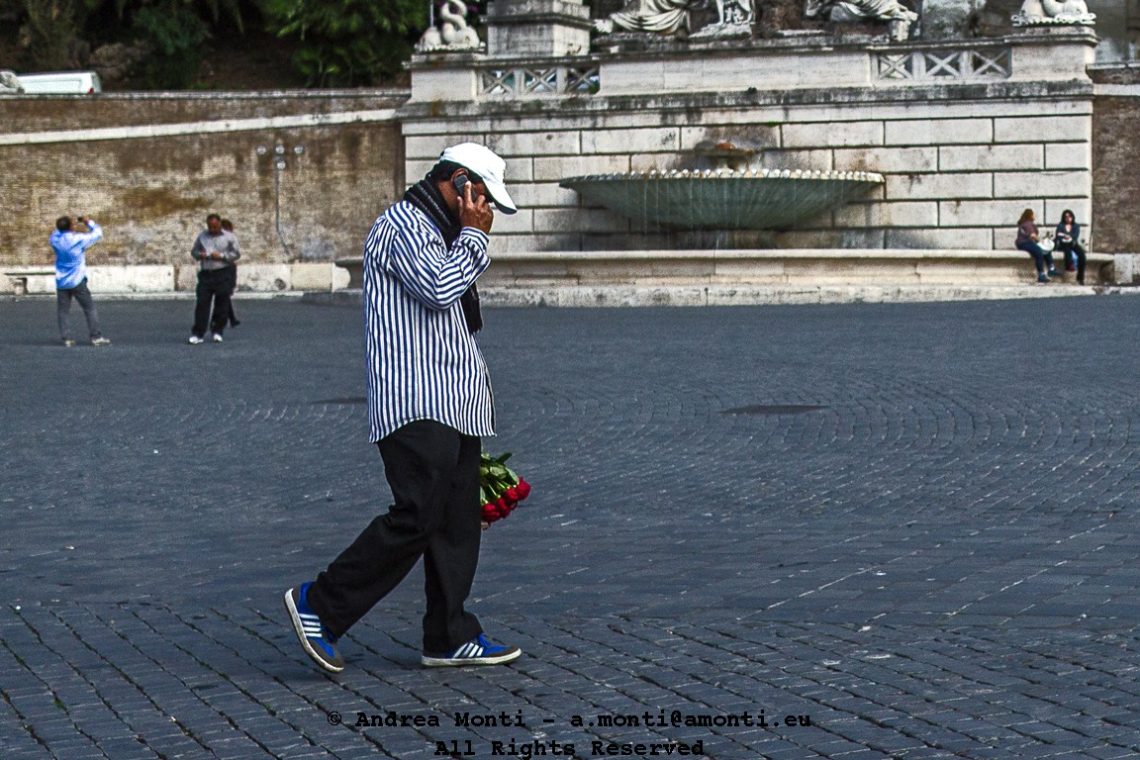
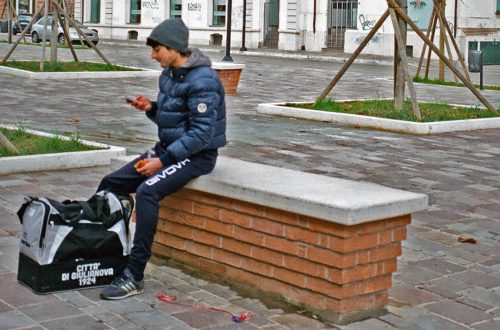
Using a tele (200 mm) allowed me to take the picture but the long focal didn’t separate the planes as a 50 mm would. Truth is that – in these condition – I would hardly have been close enough to obtain the visual effect I was looking for, but the alternative was not to take the shot at all.
-
The 365th Shot: Between Sacred and Profane
“Between the Sacred and Profane” is the 365th picture that I’ve posted on this blog and it is the end of a one-year project where I made a point of publishing one picture per day. When, exactly 356 days ago, I decided to start I couldn’t imagine what would have been happened. I became deeply involved into exploring different genres and styles, covering big live events for a music magazine, cinema and arts awards ceremonies, street-photography, portraits, photojournalism and sport events. I went in for a couple of contests and started giving (for free, as I promised) seminars about the rights of the (street)photographers. Of course I don’t do photography…
-
When the Rubbish Basket is full…
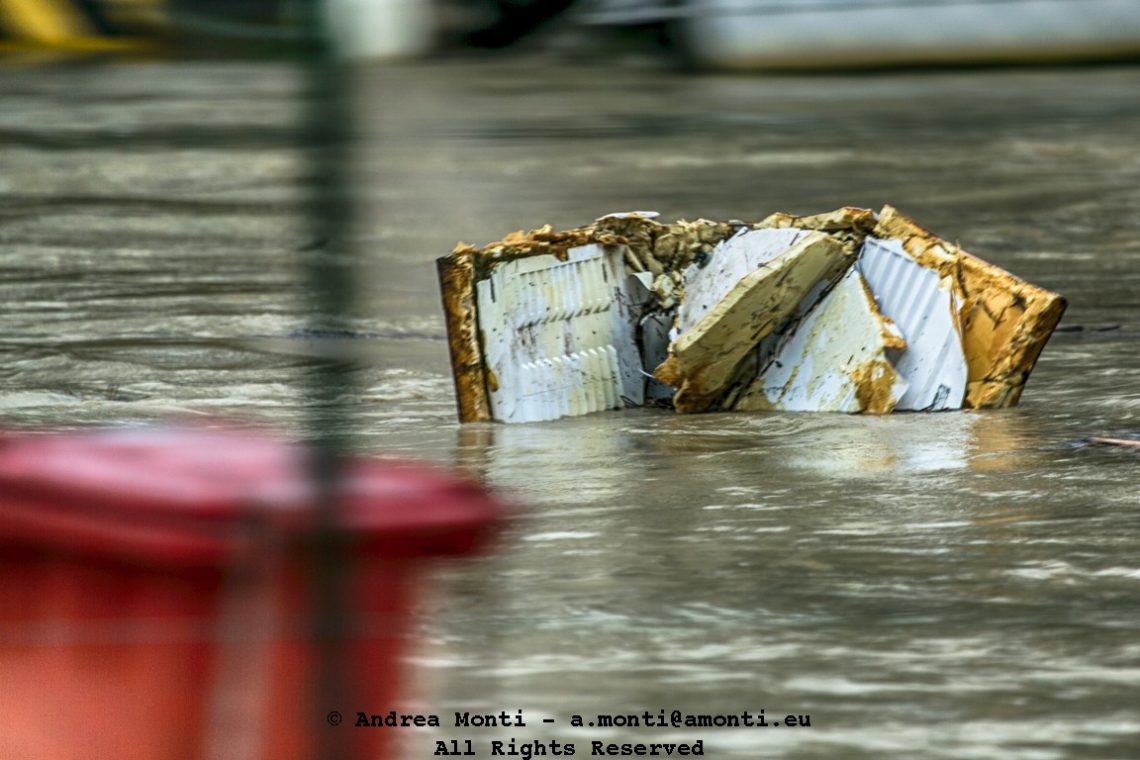
I made this photograph with the lens barely above the surface. The irony hit me only later: a crumpled, rusting bin—designed to contain waste—floating free, stripped of purpose, drifting like a rejected artefact in a river that had no interest in borders or rules. This wasn’t a chase-the-light moment. It was more of a document-what’s-happening moment. But even in documentary photography, composition matters. The crumpled bin sits dead-centre, emerging from the water like a reluctant symbol. The surrounding wash of grey-brown is indistinct by design—an oppressive field of repetition, without texture or detail, forcing the viewer back to that sodden, disfigured centre. Technically, I shot this with a long lens…
-
The Day After The Tide
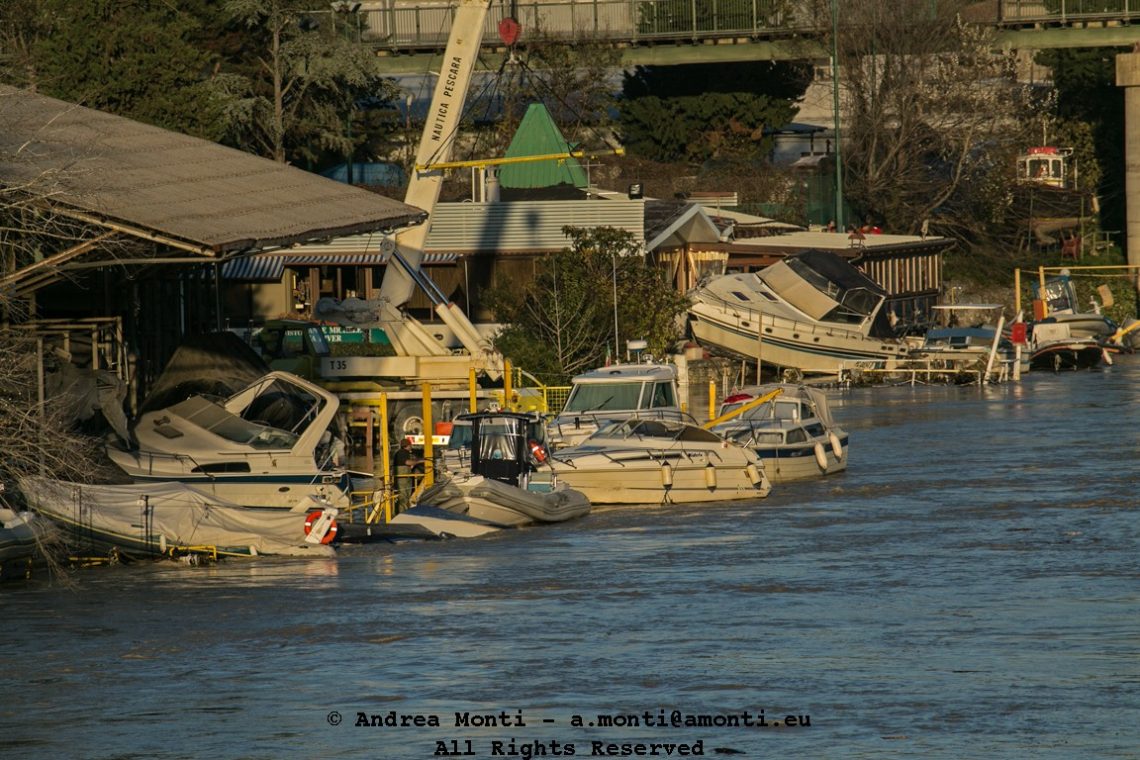
After the tide, the river comes back to normality, while the boatmen account for the damages. I waited for the light to fall low enough to cut across the hulls and expose what the flood left behind. This isn’t a storm photo—it’s what follows. Boats grounded sideways, lines tangled, some afloat, some tilted into the banks. Nothing dramatic. Just consequence. Shot from the opposite bank with a 300mm telephoto, compressed enough to layer the damage. The image stacks: river in the foreground, boats mid-frame, wreckage and crane behind. The eye bounces between verticals—poles, masts, supports—and diagonals—listing decks and snapped canopies. It’s cluttered by design. Recovery never looks clean. Exposure leaned toward…
-
Holding Against the Tide
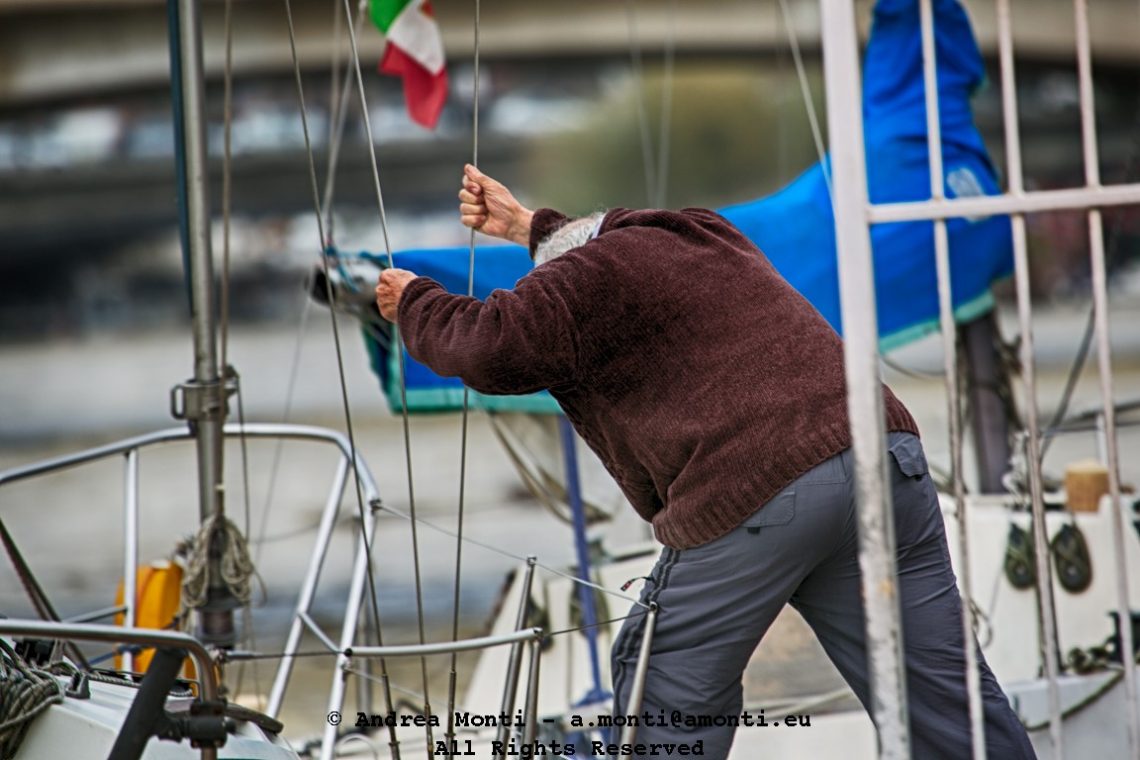
Time was running short and felt compressed. The tide was coming in faster than expected, and the sailor’s movements had lost any trace of routine. Urgency reshaped posture, gesture, and balance. The man is bent forward, his body pulled into the rigging as if negotiating directly with the boat rather than controlling it. His grip is firm but not elegant. There is no choreography here—only necessity. The frame excludes his face entirely. The choice was not deliberate, however it didn’t matter, since identity is secondary; what mattered was the physical negotiation between human weight, rope tension, and a changing shoreline.
-
When the Tide Recedes
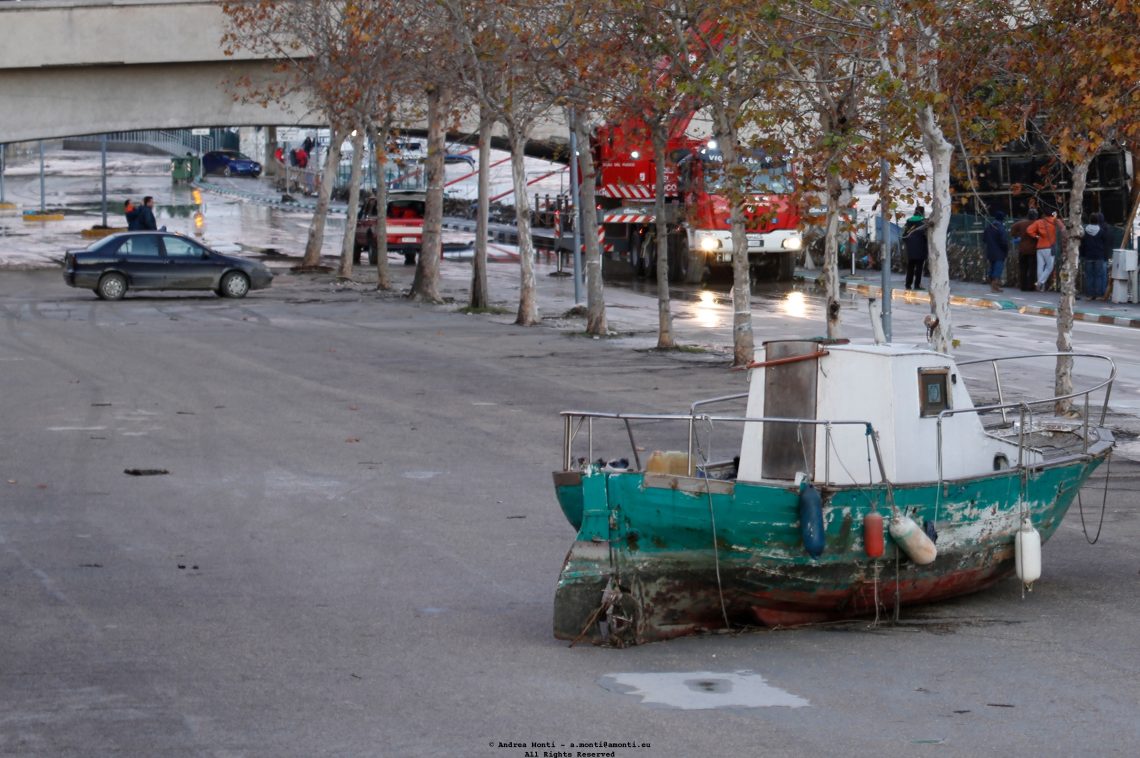
This scene struck me as more than just a visual curiosity—it posed a question. What doesn’t belong here: the boat or the car? The early evening light had just enough character to lift detail off the flat grey of the pavement and tease texture from the bark of the bare trees. The DA 50-135* handled the compression beautifully, allowing me to frame the boat prominently while holding the background activity—a fire truck, scattered people, and that lone parked car—in a shallow but still informative focus plane. I appreciated the restrained dynamic range of the K-5’s APS-C sensor here. The muted palette lends the image an autumnal melancholy, without needing the…
-
St. Peter in Background
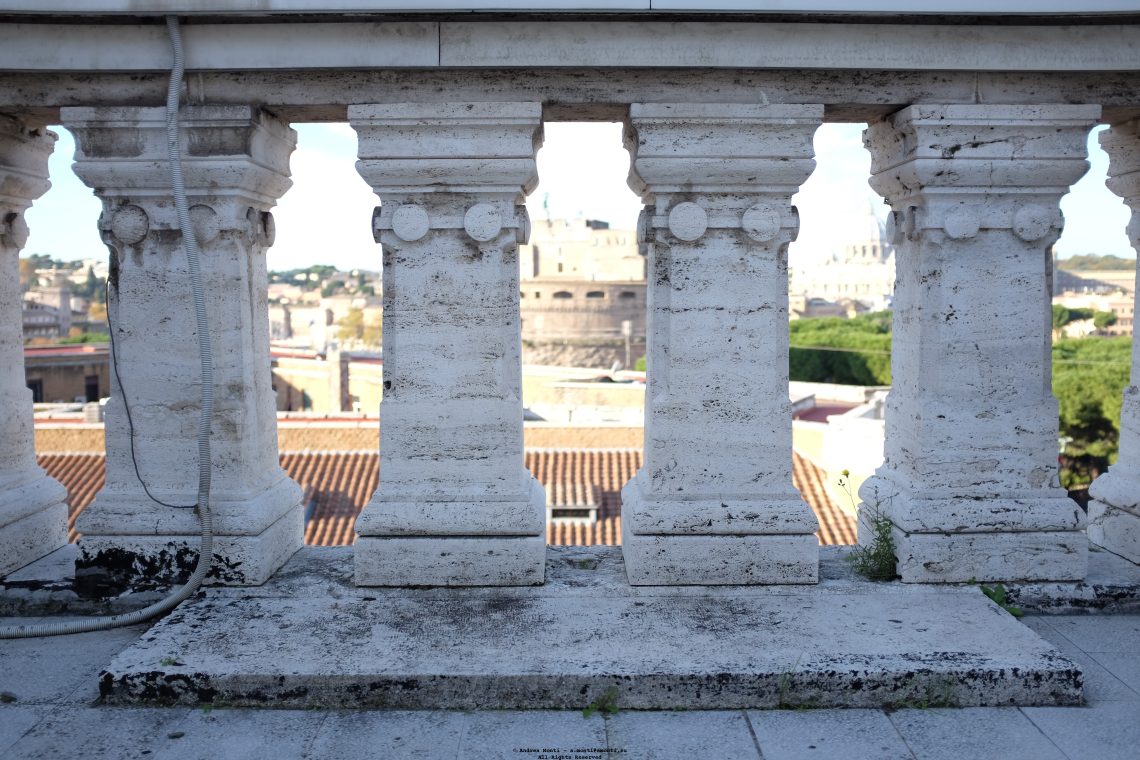
St. Peter and Castel S. Angelo as seen from the fourth floor of the Corte di cassazione (Italian Supreme Court.)
-
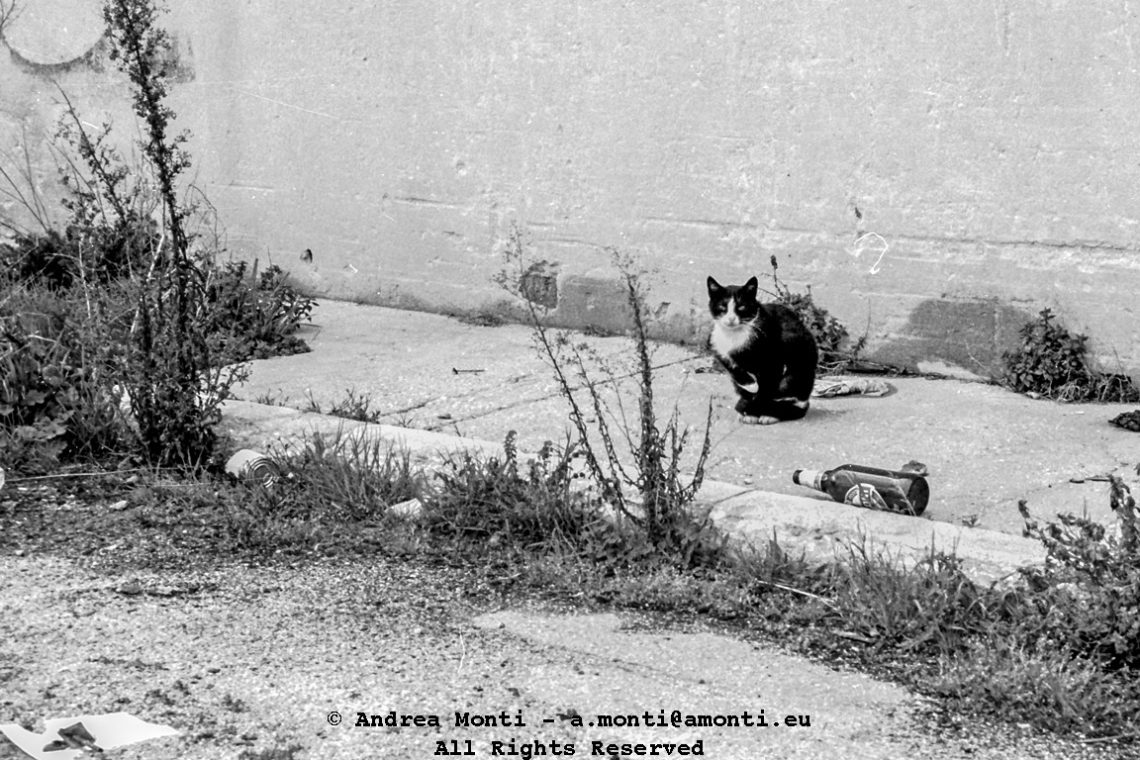
The Straycat
Alterness becomes second nature, for those who live on the streets.