-
Minolta MC W Rokkor-HG 35/2.8 and Nikon Z5 – An Empirical Field-Test
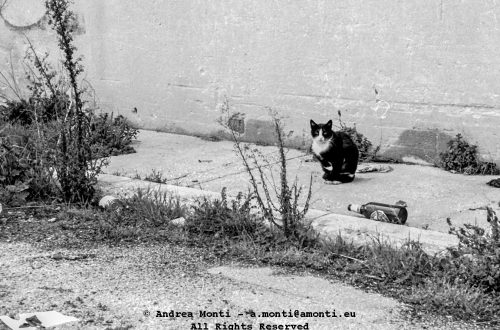
This is another episode featuring a Nikon Z camera and a vintage lens. This time, I’m using the Minolta MC Rokkor-HG 35/2.8, which I recently took out of the cupboard where I keep my old manual lenses. The following shots have all been taken wide open, in no particular order and are intended to demonstrate how the lens performs in different conditions. The Z5 was instructed to use a flat picture profile and the photos were post-processed to the final results should not be considered as a true ‘rough’ example of the lens’ character.
-
Leitz Summicron 50/2 and Nikon Z5 – An empirical field test
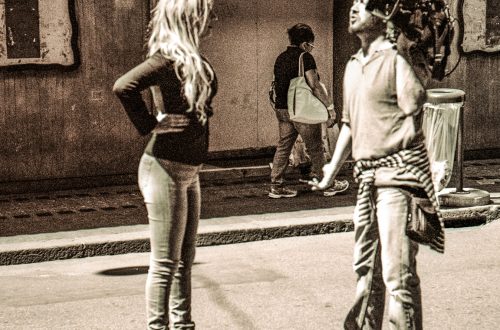
A casual stroll around the Trevi Fountain gave me the chance to experiment with an unusual combination: an old Summicron 50/2 and a relatively new Nikon Z5. The opportunity materialised in a photo of one of the crowd-control team members regulating the overwhelming flow of tourists and ensuring that none of them were engaging in vandalism or pranks. In short, I am very pleased with the results. I owned a Leica M9 (which I happily sold) for a few years , and I can’t actually say that I miss it. My only regret was that I could only use my lenses on APS-C mirrorless cameras, such as Fujis. I knew…
-
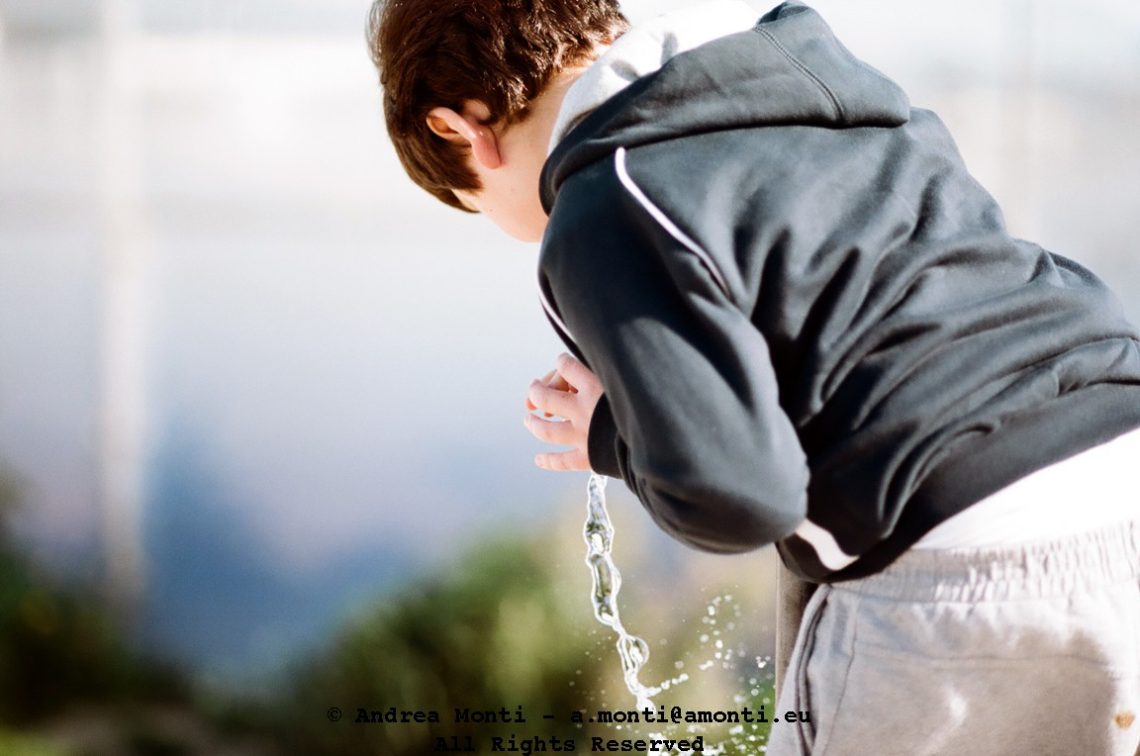
A Fountain’s Jet
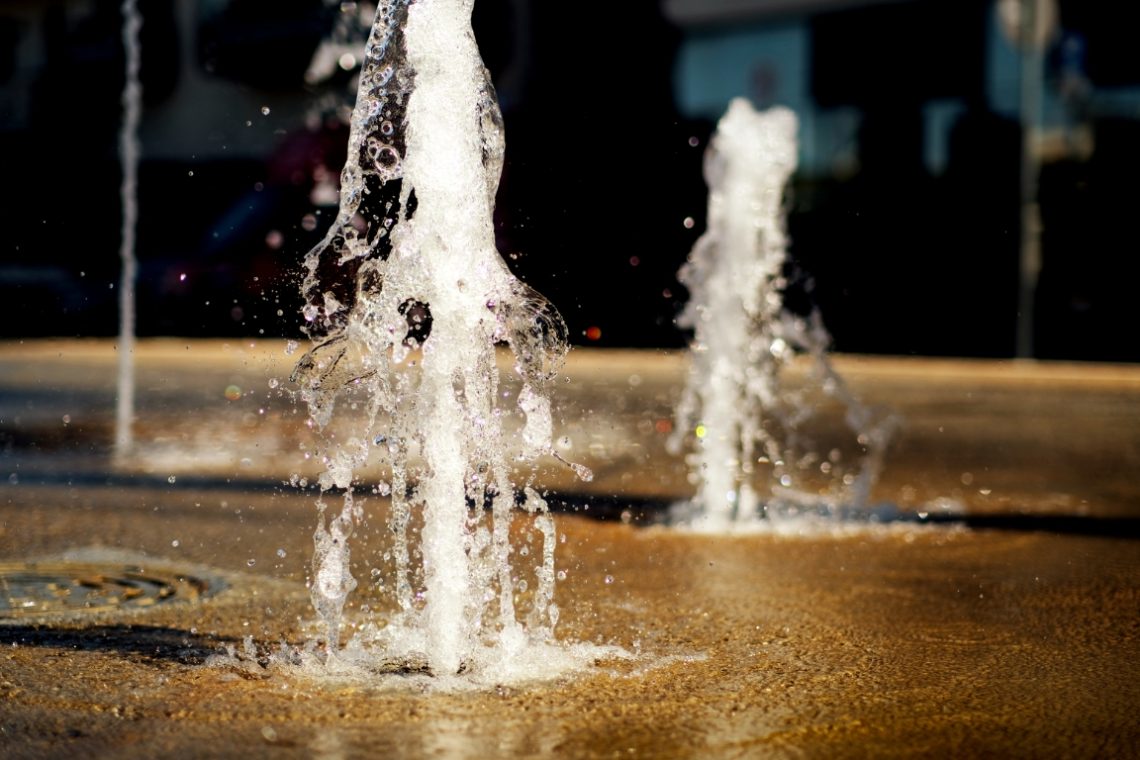
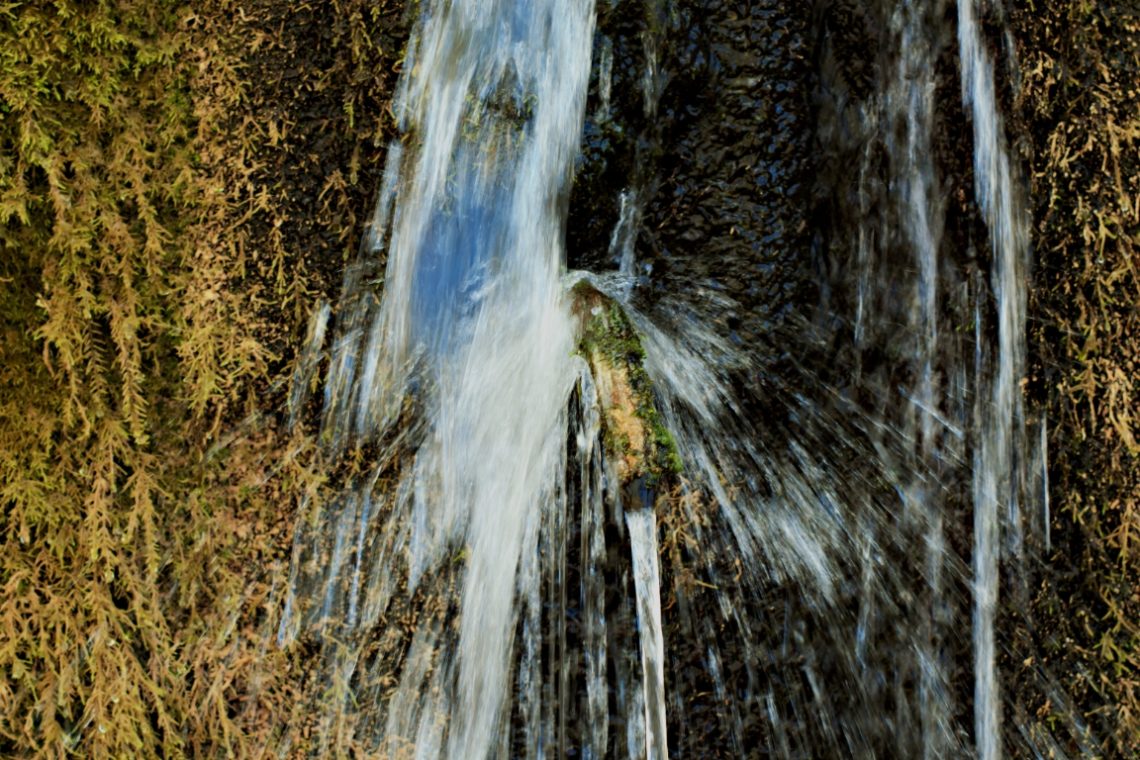
I took this shot with a Viltrox AF 56/1,4 XF at full aperture. The focus reacted swiftly, and the colours’ rendition is pretty accurate. There is minimal colour fringing. However, it is more likely caused by air bubbles rather than by the lens itself. Like its bigger sibling, the AF 85/1,8 XF, this lens is excellent. Photographing water at f/1.4 is, in many ways, an exercise in precision gambling. The Viltrox AF 56mm f/1.4 XF, mounted on the Fuji X-T3, gave me a razor-thin depth of field to work with. At this aperture, there’s no room for hesitation – you either nail the plane of focus or lose the subject…
-
Splinter
-
An Essay on Composition
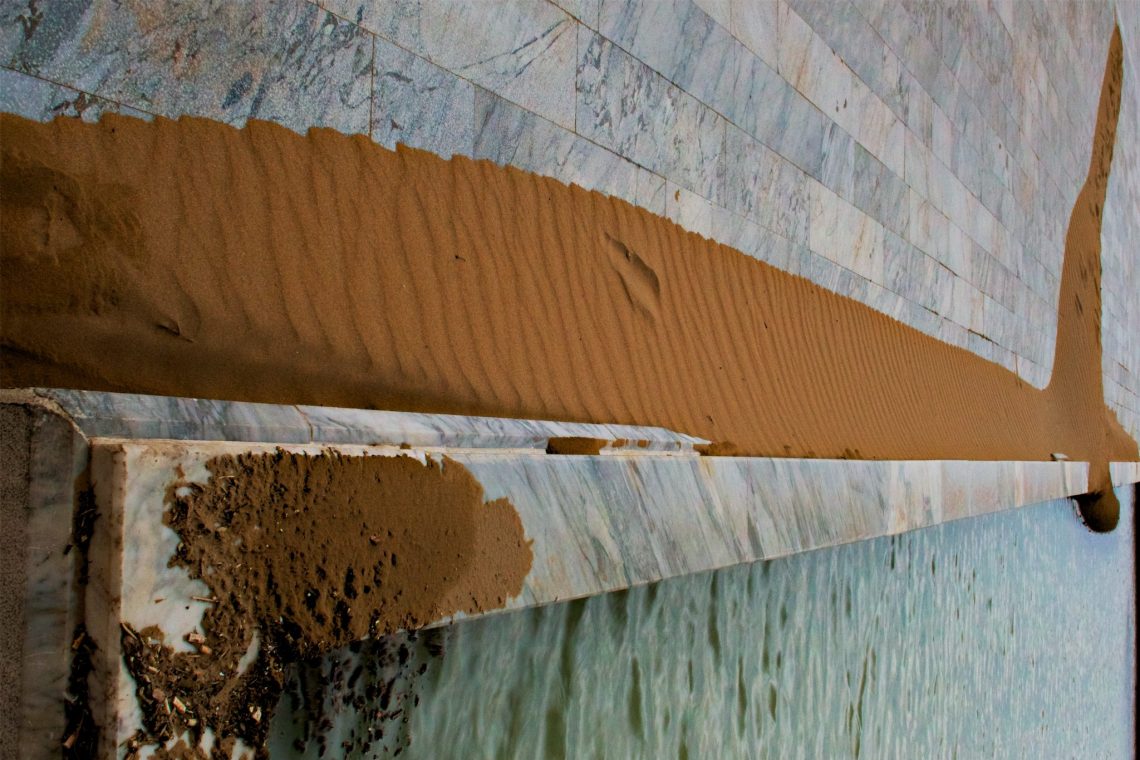
This photograph began with geometry, but it ended up being about contradiction. Sand, marble, sea—each a distinct texture, each performing under different rules. It’s not a landscape and it’s not abstract, but it borrows from both. The diagonal lines, the flattened depth, the conflict between order and erosion—all deliberate, but not staged. I rotated the frame on purpose. The eye expects a horizon, some gravitational anchor, but here that’s denied. The marble slabs—cold, precise, quarried and arranged—seem to float or fall, depending on how you orient yourself. The band of sand running diagonally across the frame interrupts their perfection with a tactile, natural disorder: dunes formed by wind, not by…
-
Floating Flower
-
Thirsty
-
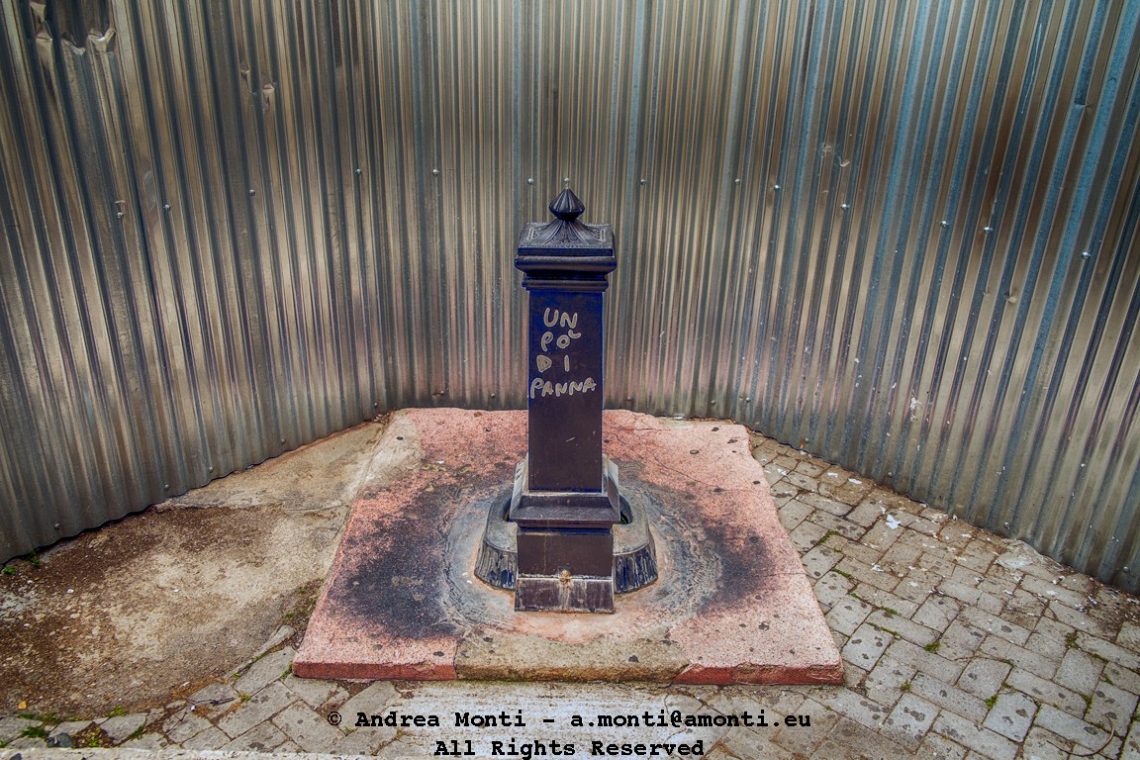
A Fountain
I made this photograph in a small corner where a public fountain once served a purpose. Now it stands fenced in by corrugated metal sheeting, isolated, its basin removed, its function suspended. The graffiti—“un po’ di panna”—is not aggressive. It reads more like a private joke left in public space, a whisper rather than a shout. That small phrase is what drew my eye first. It adds a voice to an object that has otherwise been silenced. The metal barrier creates an accidental stage. Its vertical ridges repeat across the background, directing the gaze inward toward the fountain. The pink stone base, stained and unevenly worn, introduces texture and a…