-
Technological Memento
-
Tsutaya Bookstore@Ginza
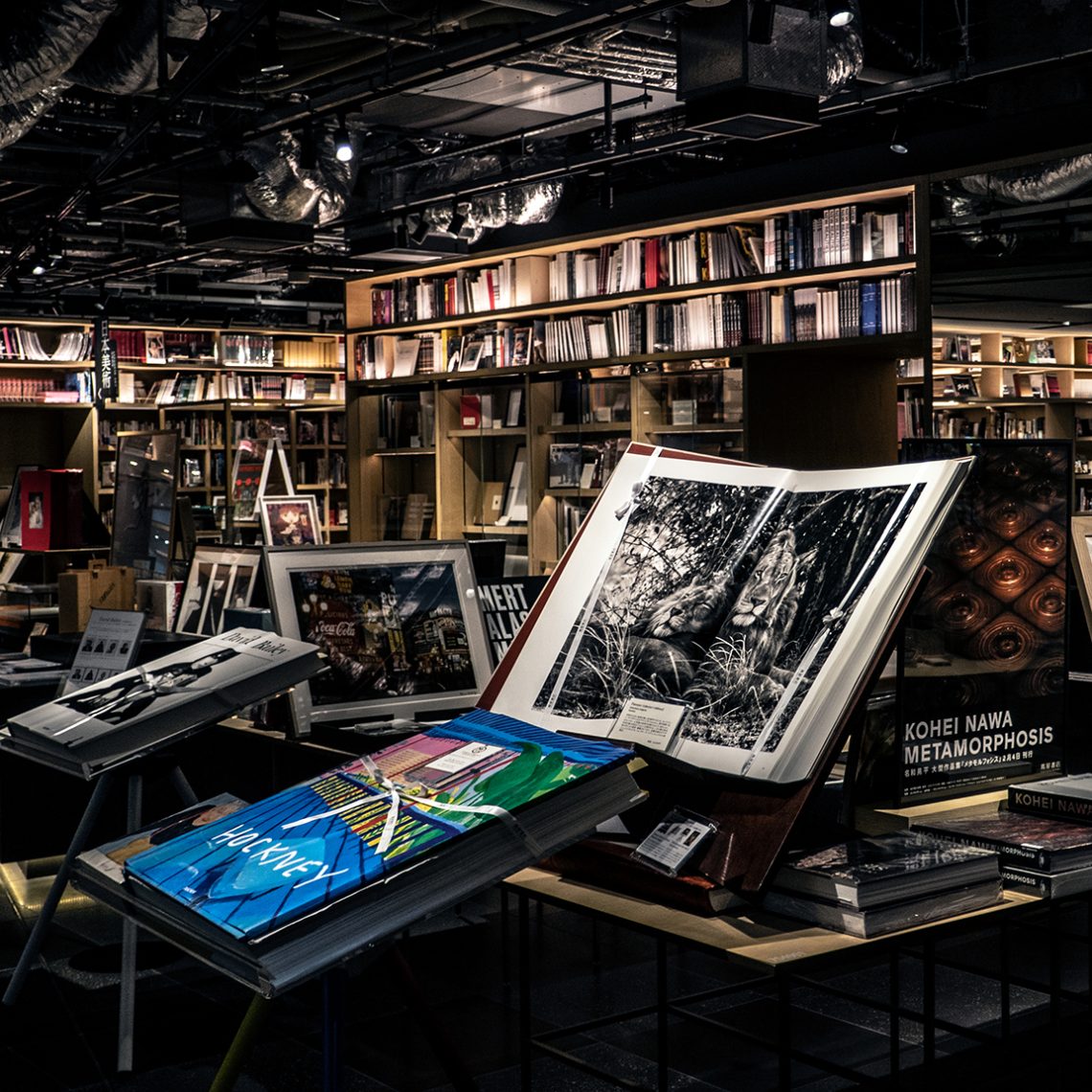
Photographed inside the Tsutaya Bookstore in Ginza, Tokyo, this image celebrates the bookstore as a curated stage, where books are not simply stored but presented as artefacts. The frame is dense yet controlled, offering layer upon layer of shelves, display tables, and oversized art books. The eye is immediately drawn to the centre, where a large black-and-white wildlife photograph dominates—its scale and high contrast making it the de facto anchor of the composition. CompositionThe photographer has worked with a classic layered approach. Foreground tables angle toward the viewer, drawing them deeper into the mid-ground where the hero book sits open, and then further into the background shelves which fill the…
-
Dai Shodo@Kyoto
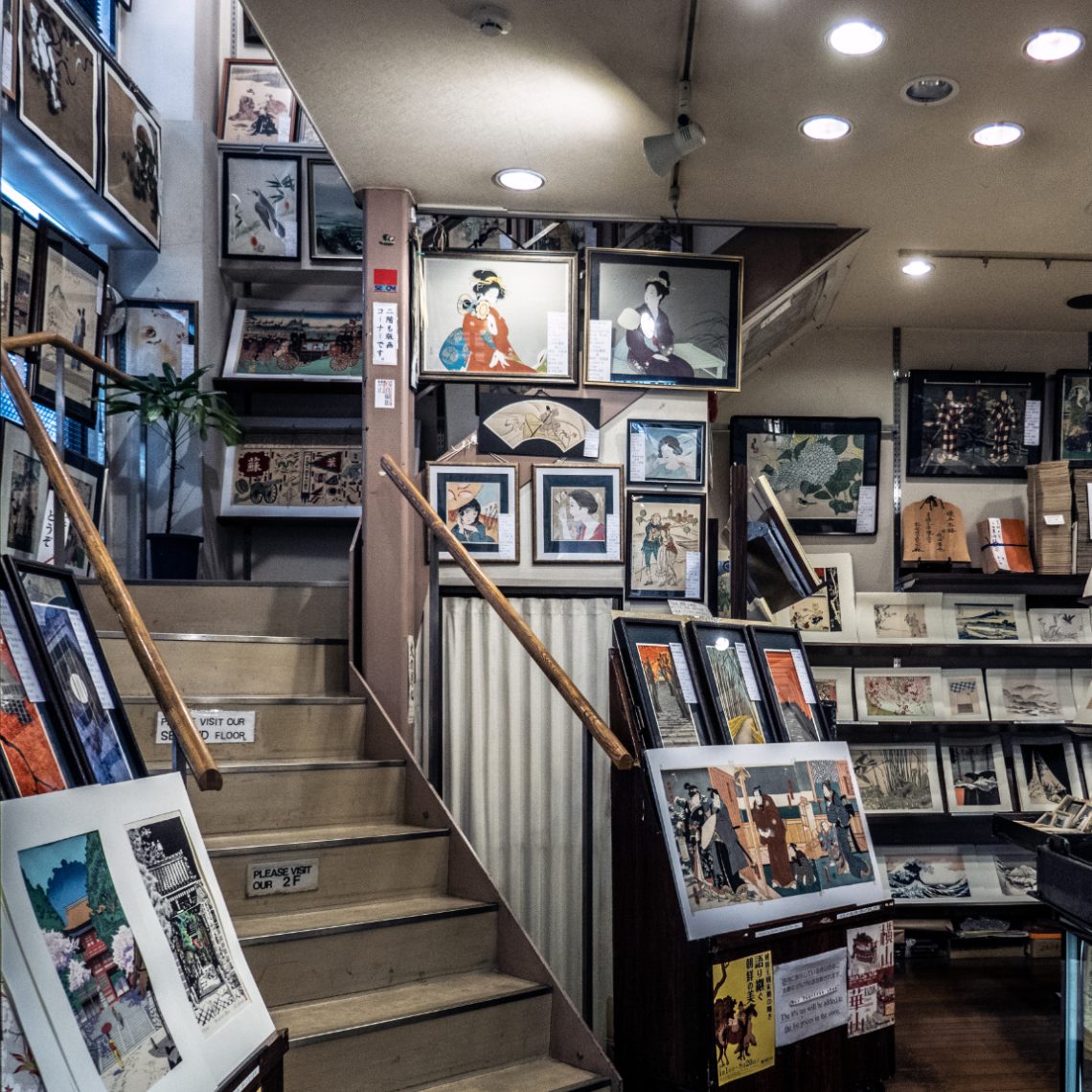
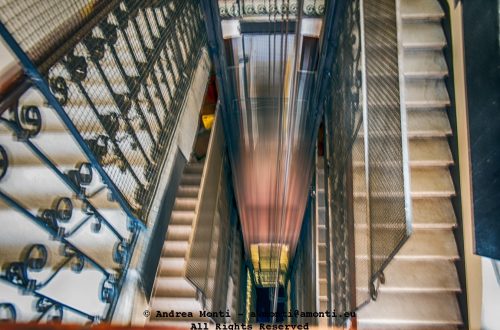
Kyoto ‘s Teramachi-dori is full of suprises. Amidst shops of the most different kind and attire, booklovers can find this small gem. This is Dai-Shodo, a quiet print shop tucked into a narrow Kyoto street. I stepped inside on a grey afternoon with no particular plan. The light was soft, filtered through old windows and the hushed presence of paper. Everything in the shop seemed to lean inwards—frames, shelves, stairs—as if holding its breath in reverence. What struck me most wasn’t the prints themselves, but how they were displayed. Ukiyo-e woodblocks and vintage ephemera layered on every surface, propped rather than hung, as if caught mid-conversation. The stairway invited you up…
-
Nagoya’s reportage featured in The Good Life
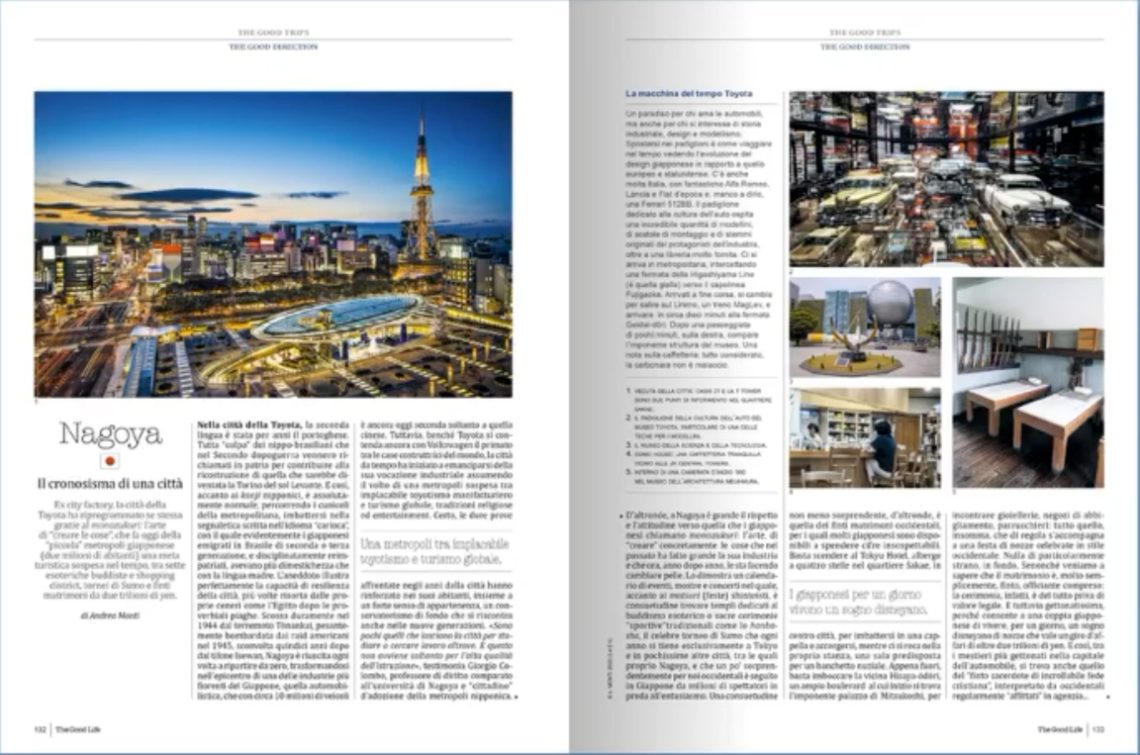
The Good Life‘s October issue features my photoreportage of Nagoya.
-
Deadly Bored
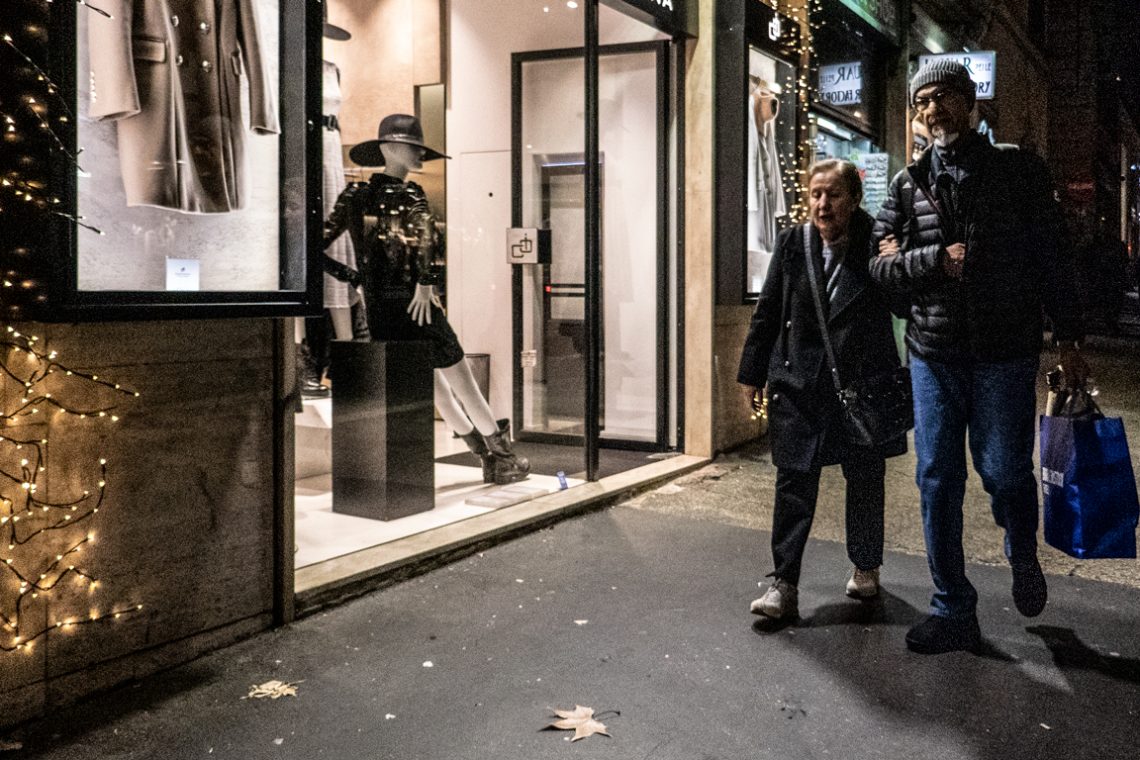
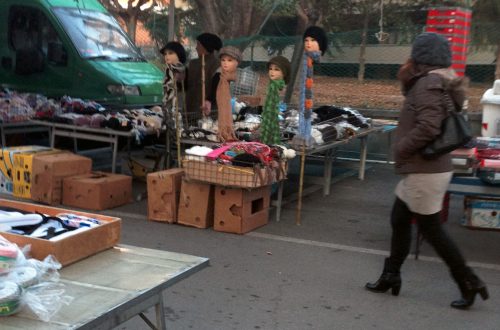
Once again, the meaning of this picture is counter intuitive and “made up” by the composition. The scene is seen from the perspective of the mannequin: at the end of a hard day spent sitting on the street-front, it (or he?) looks deadly bored and tries to kill the time before the shop closes by casually looking at the next passerby. The directional effect (from the mannequin to the passerby) is achieved by the diagonal connecting the tip of the hat, the feet of the mannequin and the cast of the shadow. Taken as a whole, these elements drive the eye from the mannequin to the persons and not vice-versa.
-
A Virtual Glance Dance
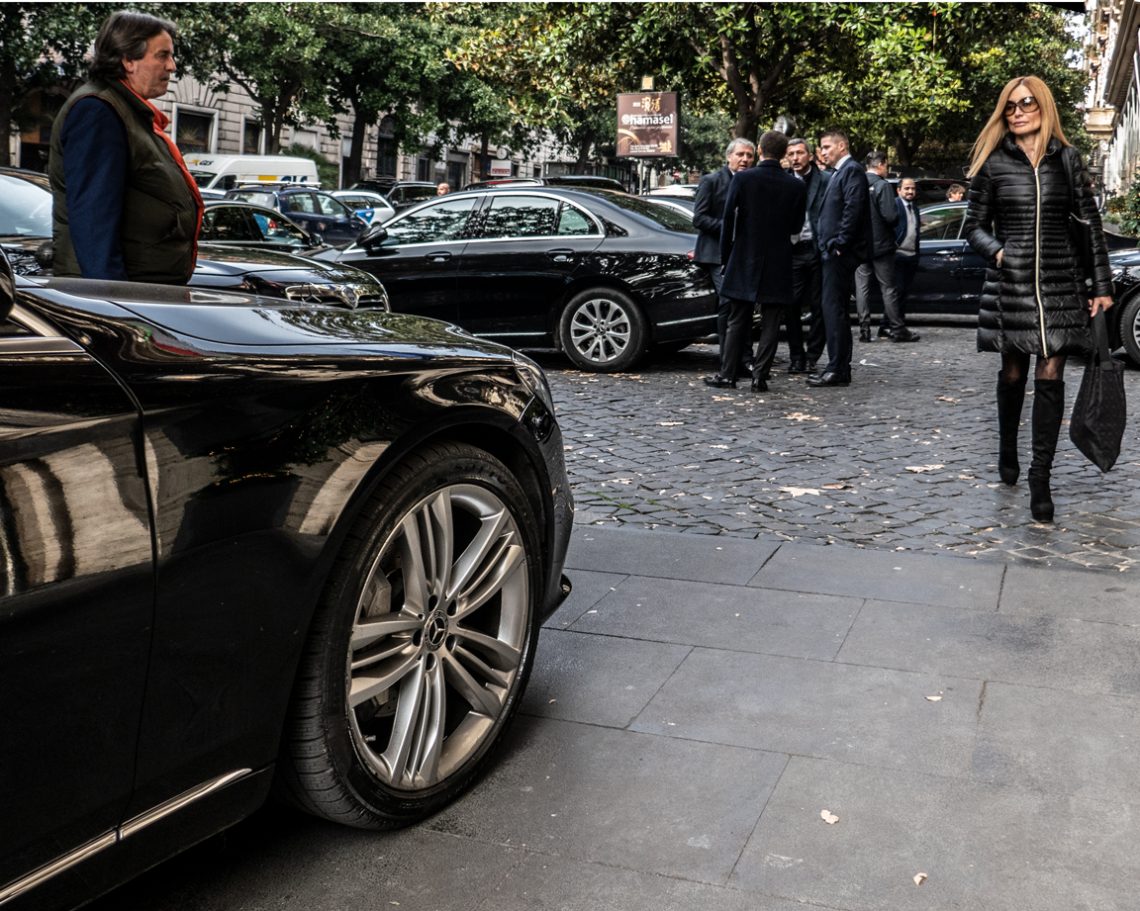
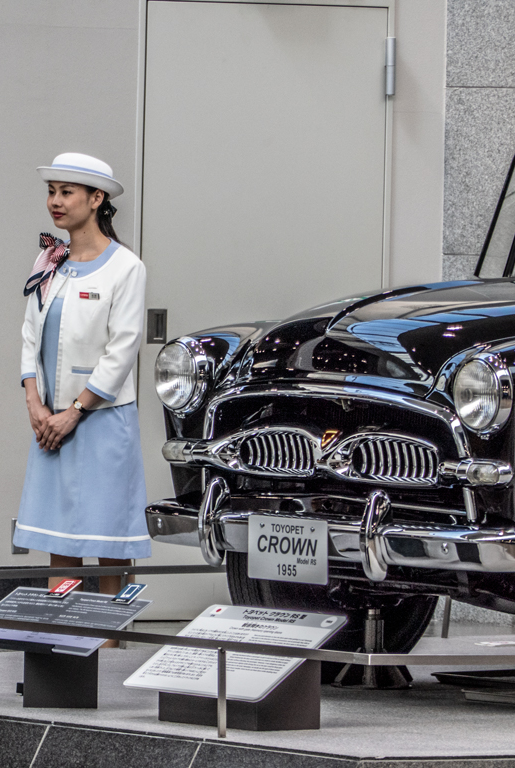
The essence of this photo is all in the glances of the protagonists. The man looks at the woman, the woman looks at the luxury car. The essence of this photo is all in the glances of the protagonists. The man looks at the woman, and the woman looks at the luxury car. It is this subtle game of glances that tells a story and turns the photography from a casual picture into something worth seeing. Once again, it is not relevant whether the people portrayed are actually involved in the “glance dance”, as what matters is the image to convey the meaning created by the overall result. This confirms…
-
When Tilted Photos Work
Tilted photos are very challenging to take. It is easy to break the composition, lose an essential part of the scene, or take a bad picture. Furthermore, making sense out of a diagonal orientation with a ratio that is not square (Hasselblad people, I can hear you loud and clear!) adds layers of difficulties. As counterintuitive as it might look, this photo taken in a “normal” orientation would have lost all its visual impact.
-
Good Plan, Poor Execution
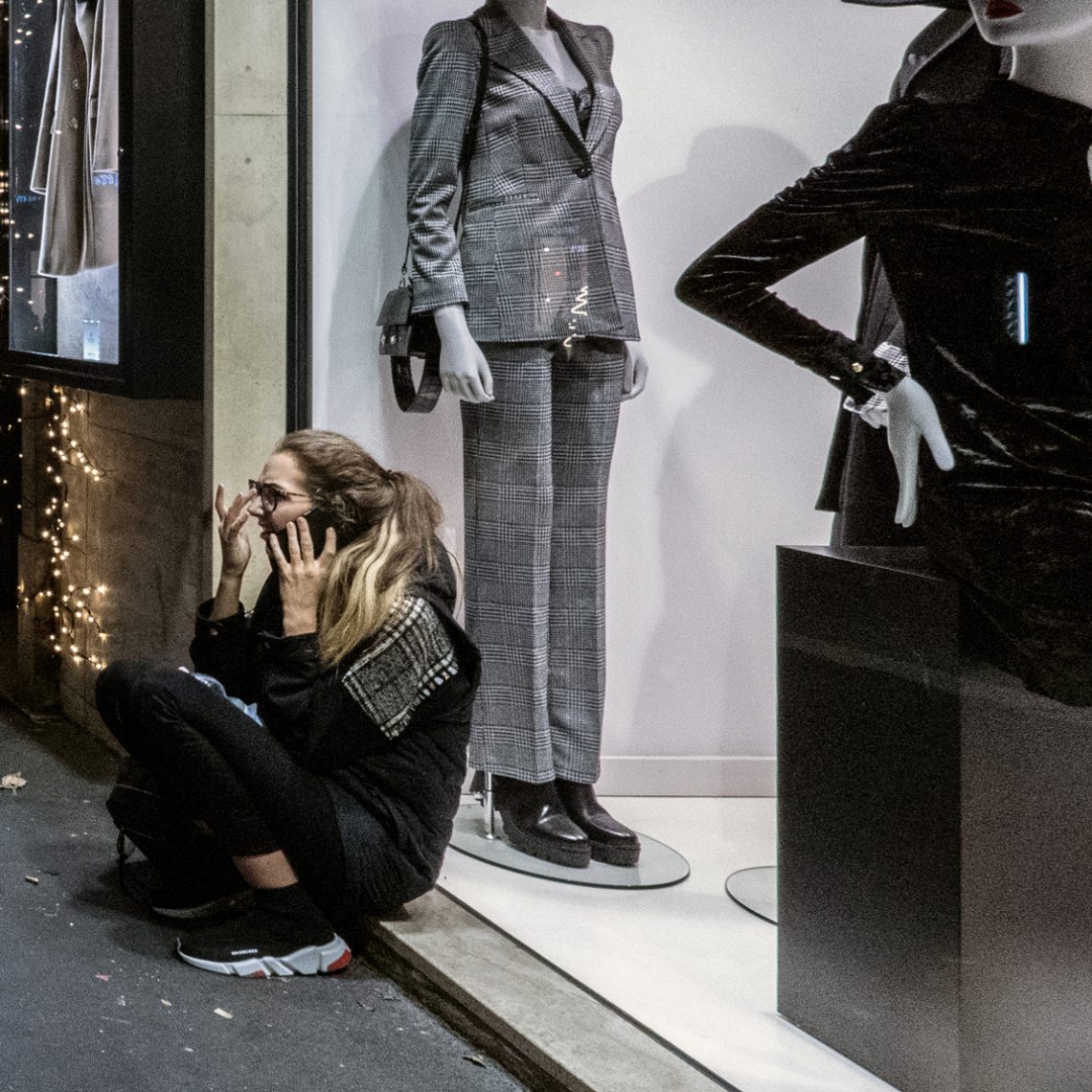
The idea behind the composition is entirely correct. The mannequins and the girl form a triangle, as does the direction of the stares, conveying both a sense of symmetry and counterposing the liveness of a human being to the puppets’ lack of. A poor execution, though, led to the mannequins’ head cut, turning a visually appealing photography into a meaningless shot.
-
Light as Meaning Shifter
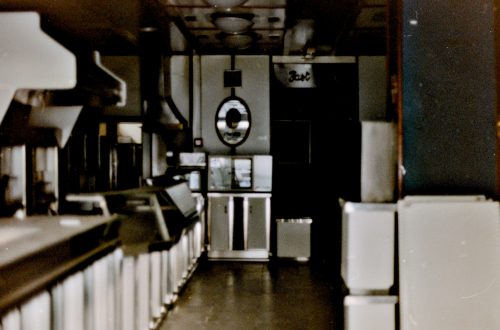
The original idea behind this picture was to match the emptiness of the shop with the facelessness of the mannequin posing as a store clerk, to convey a general feeling of depersonalization. Unfortunately, the big lightblot represented by the poster close to the mannequin catches the observer’s attention and reduce the effectiveness of the composition. Instead of connecting the mannequin with the internal part of the store thus making sense of the whole picture, the eye just “sees” an ad poster.
-
Photopanning in Rome
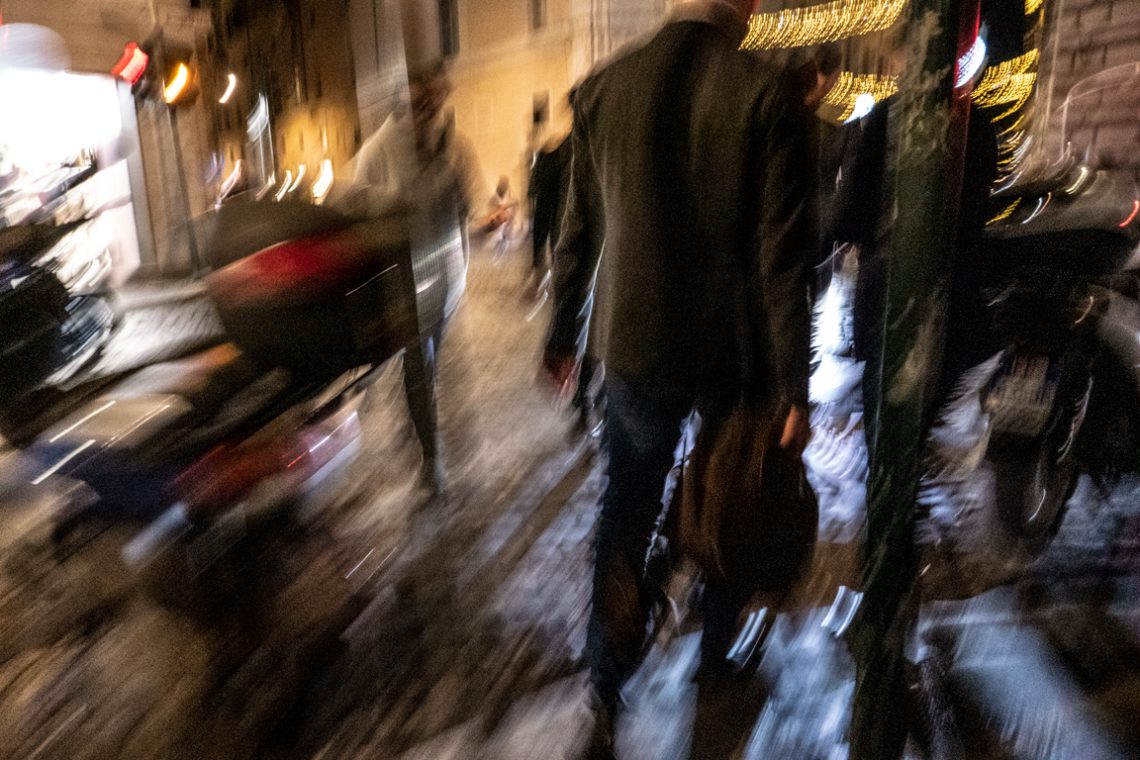
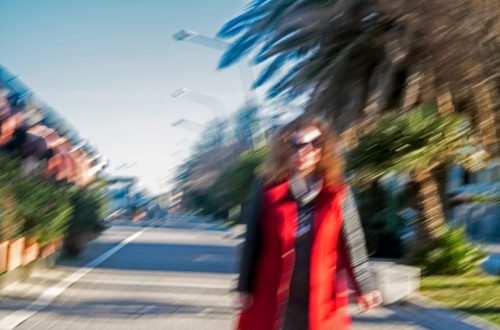
Photo panning is an art in itself and – when adequately practised – is able to deliver a stunning visual experience. In this picture (that has not been altered but for contrast and clarity) the overall experience reminds the Impressionism aesthetics.
-
Keep Out!
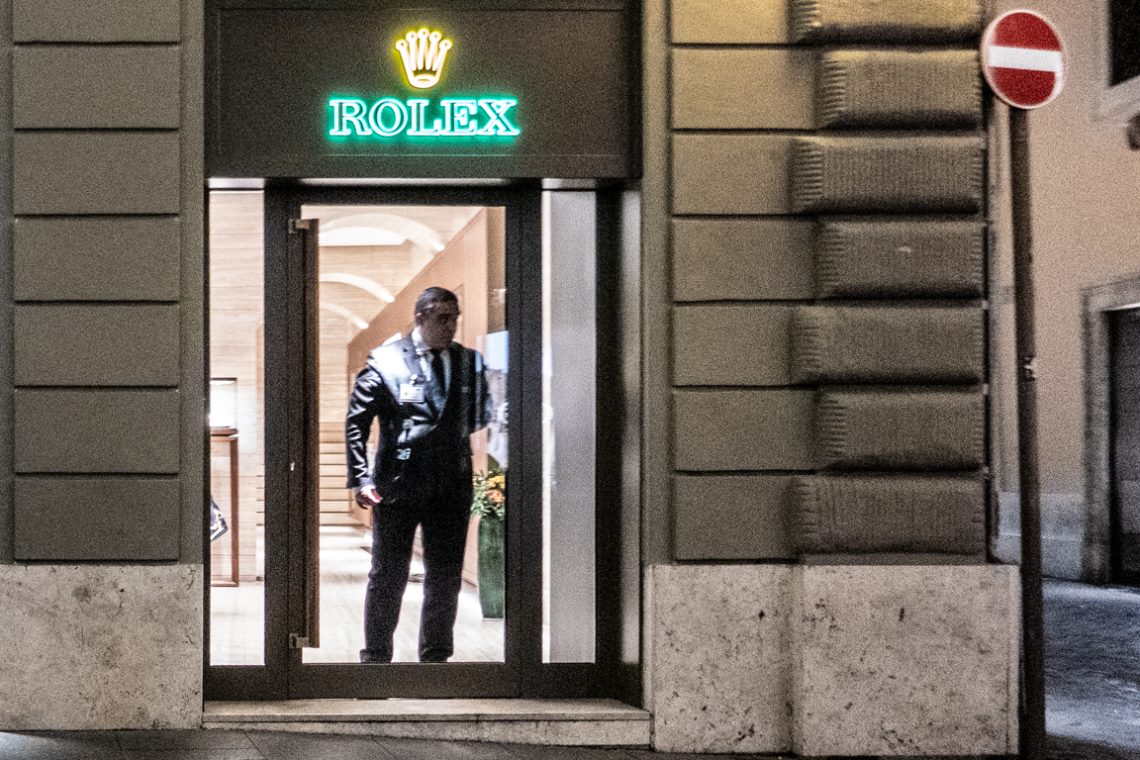
This photo conveys a message of “rejection”: first, a security guard who blocks access to the jewellery and then a signal of a prohibition of access reinforces the concept, thanks to a composition that guides the eye to a diagonal that goes from the bottom to the top, from left to right. Obviously, there is nothing “true” about all this because the overall result is the result of the organization of the spaces and the management of the perspective that allow connecting semantically elements that, in reality, have no relationship between them. It would have been enough to shoot from a different angle – or not juxtapose the security guard…
-
Evolution in Red
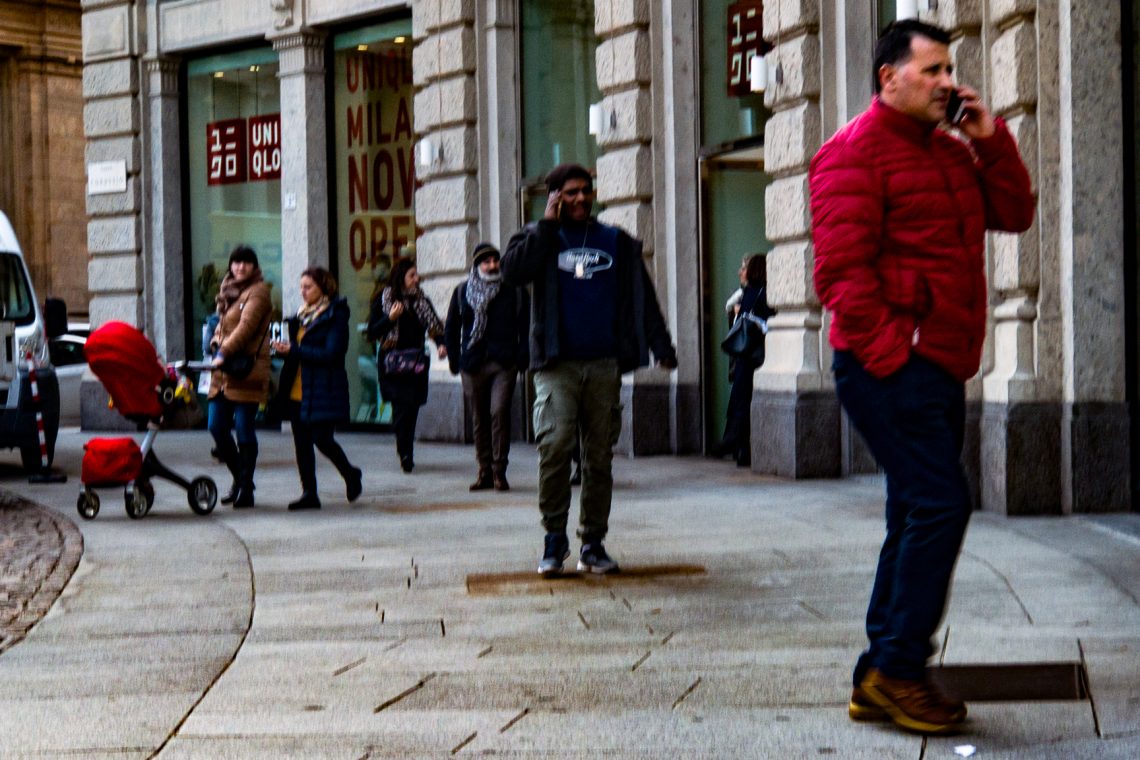
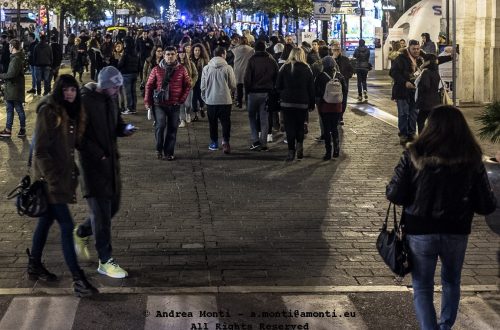
The frame unfolds on a Milanese street, a busy scene of people moving in different directions, yet bound by an unplanned visual thread — the colour red. On the far left, a stroller stands out, its fabric vivid against the muted tones of the pavement and stone façades. On the far right, a man in a red jacket, phone pressed to his ear, anchors the other end of the composition. Between them lies the space in which meaning is manufactured by the viewer: a perceived transition from childhood to adulthood, implied but never intended by reality itself. The technical construction supports this interplay. The image uses depth rather than focus…
-
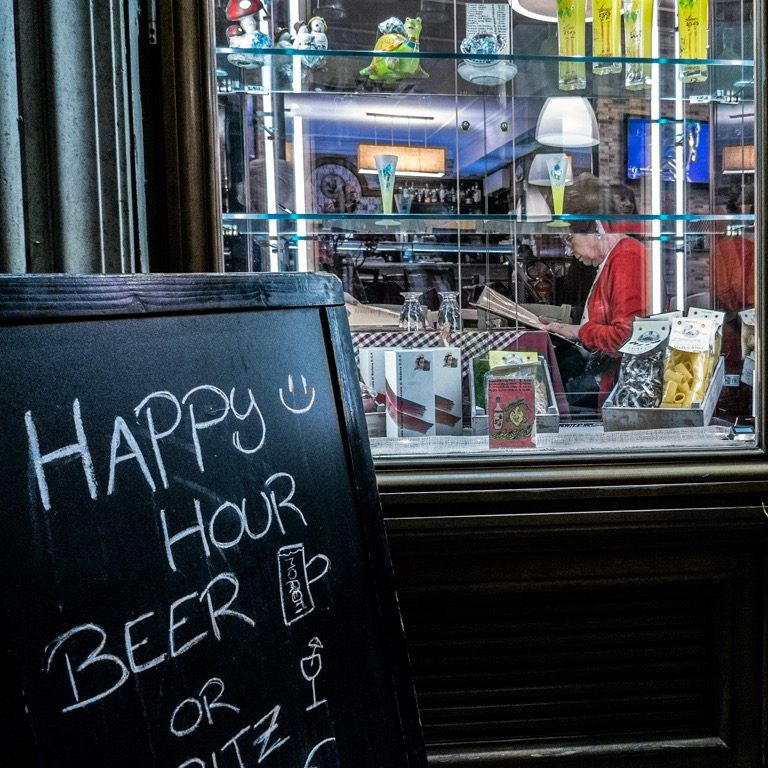
Beer or Spritz?
-
Fast Drivers in Via del Tritone
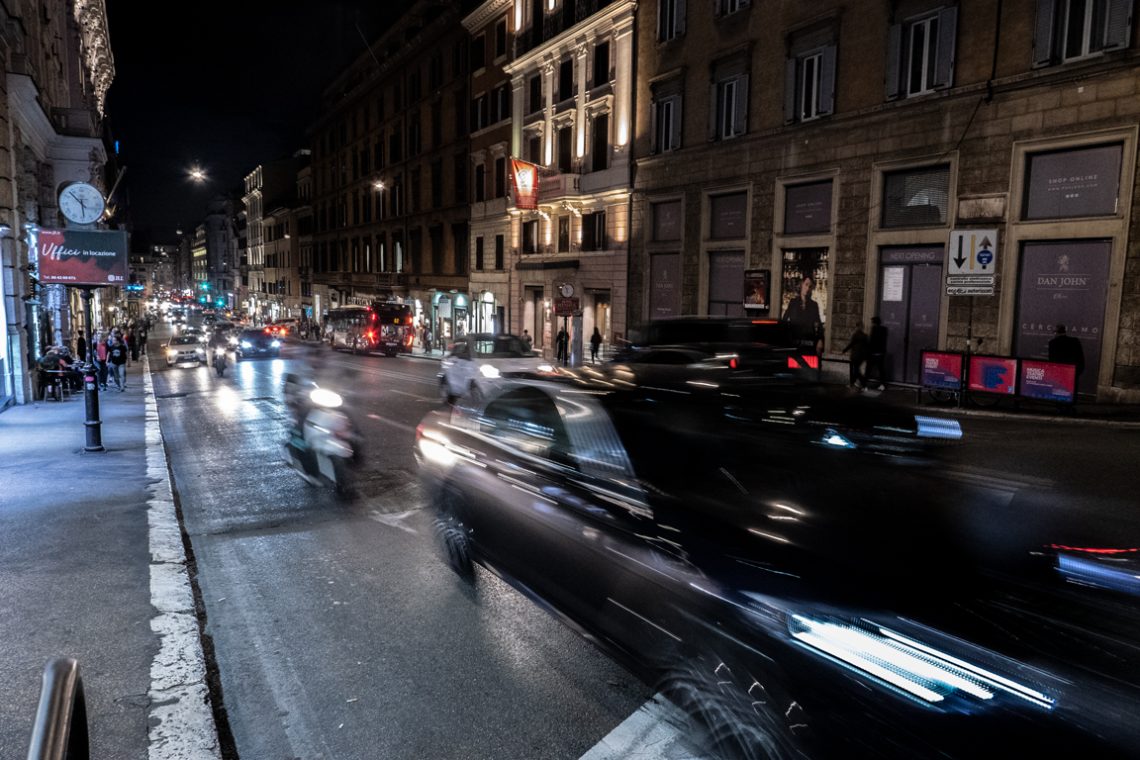
Via del Tritone at night has a way of compressing time. Standing at the curb, I could feel the pulse of the city—headlights cutting through the darkness, scooters weaving between lanes, the chatter of pedestrians briefly audible before being swallowed by the traffic. I set out to capture that restless energy, the kind that makes you feel Rome isn’t an ancient city at all, but something entirely modern, alive and impatient. The shot hinges on motion blur. A slower shutter allowed the black car in the foreground to smear into streaks of light and shadow, while the scooters retained just enough form to remain identifiable. This contrast between sharp architectural…
-
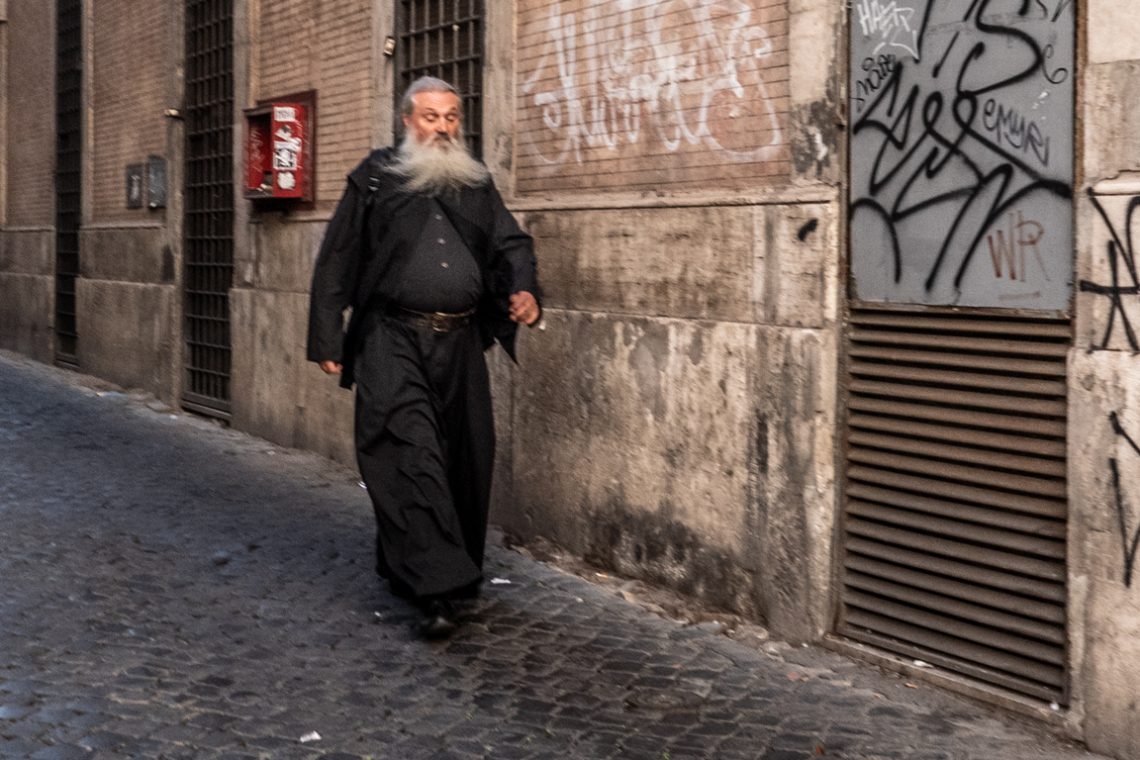
A Priest Walking Through the Graffiti Streets
I took this photograph on a narrow cobbled street, where the encounter was fleeting. The priest moved with determination, his robes flowing around him, his beard caught in mid-sway. The background of tagged walls and worn stone contrasted sharply with his presence, layering a sense of tension between the sacred and the profane, tradition and modern neglect. Compositionally, the image relies on that juxtaposition. I framed him walking into the picture, leaving space in front to suggest motion. The graffiti and rough textures anchor the scene in the urban present, while his attire evokes a continuity that feels almost timeless. That clash is where the strength of the image lies:…
-
Comarketing
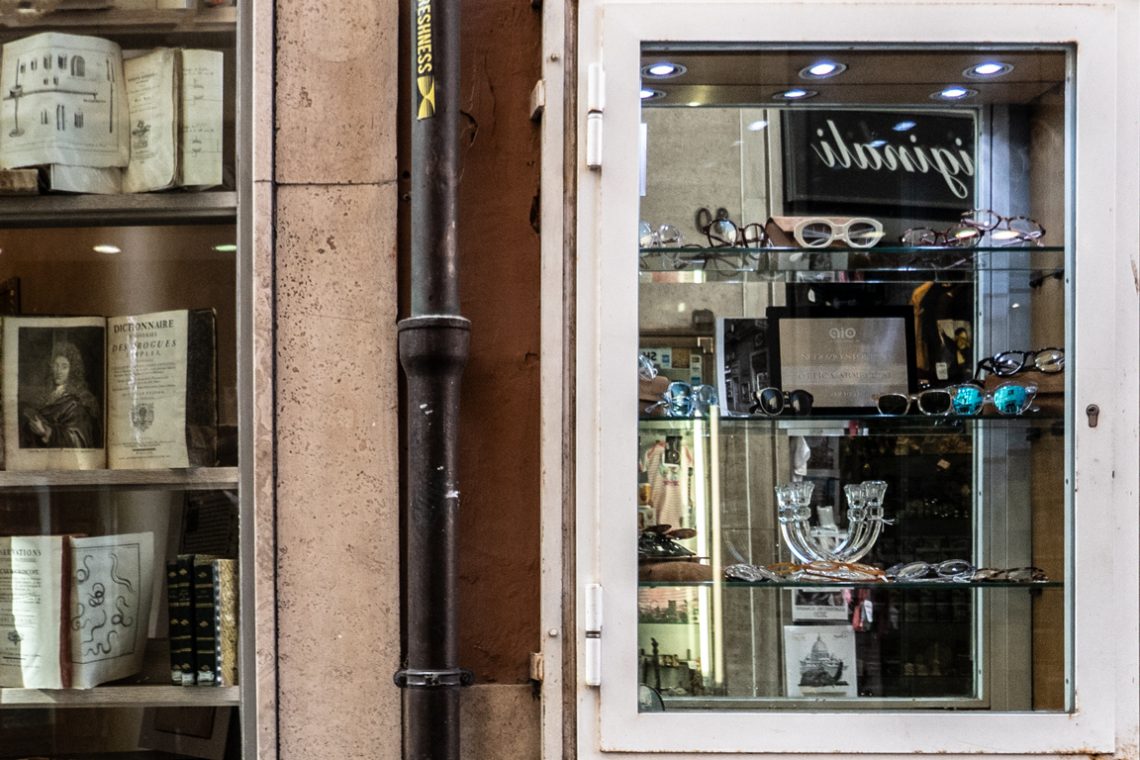
Two adjacent shop windows that seem, unintentionally, to speak to each other. On the left, rare books and old prints rest under soft light, their pages worn and yellowed. On the right, a brightly lit glass case displays modern eyewear, polished and reflective, marketed with sleek precision. A drainpipe slices the frame in two, acting as a border between past and present, knowledge and fashion, permanence and trend. Technically, the image holds together through contrast. The exposure balances the dim warmth of the books with the cooler, artificial light of the glasses’ display. Reflections in the glass add layers, hinting at street life beyond the frame. The sharpness allows textures…
-
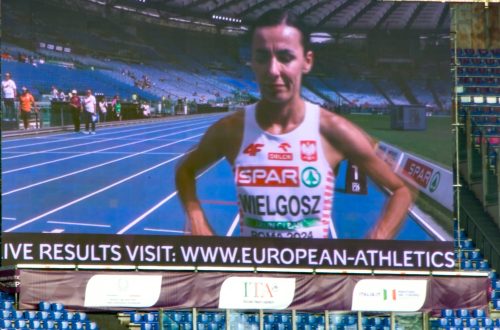
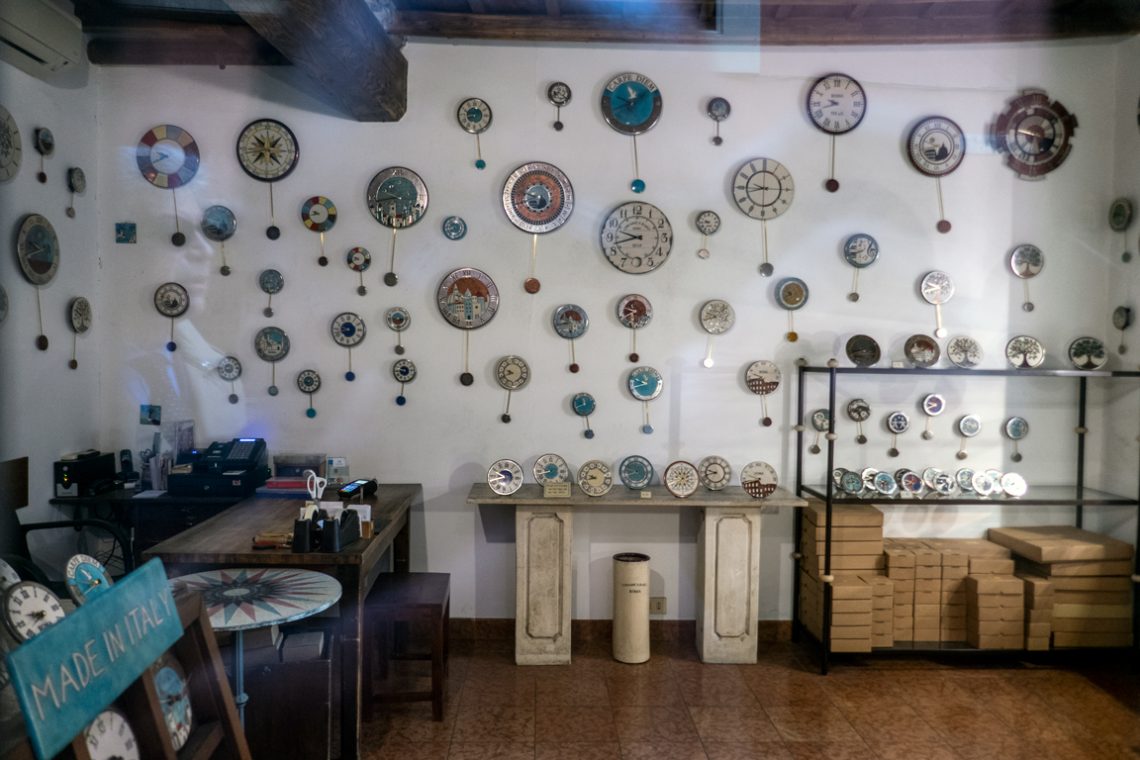
What’s the Time?
-
Garbage As Usual – Pantheon’s Nearby
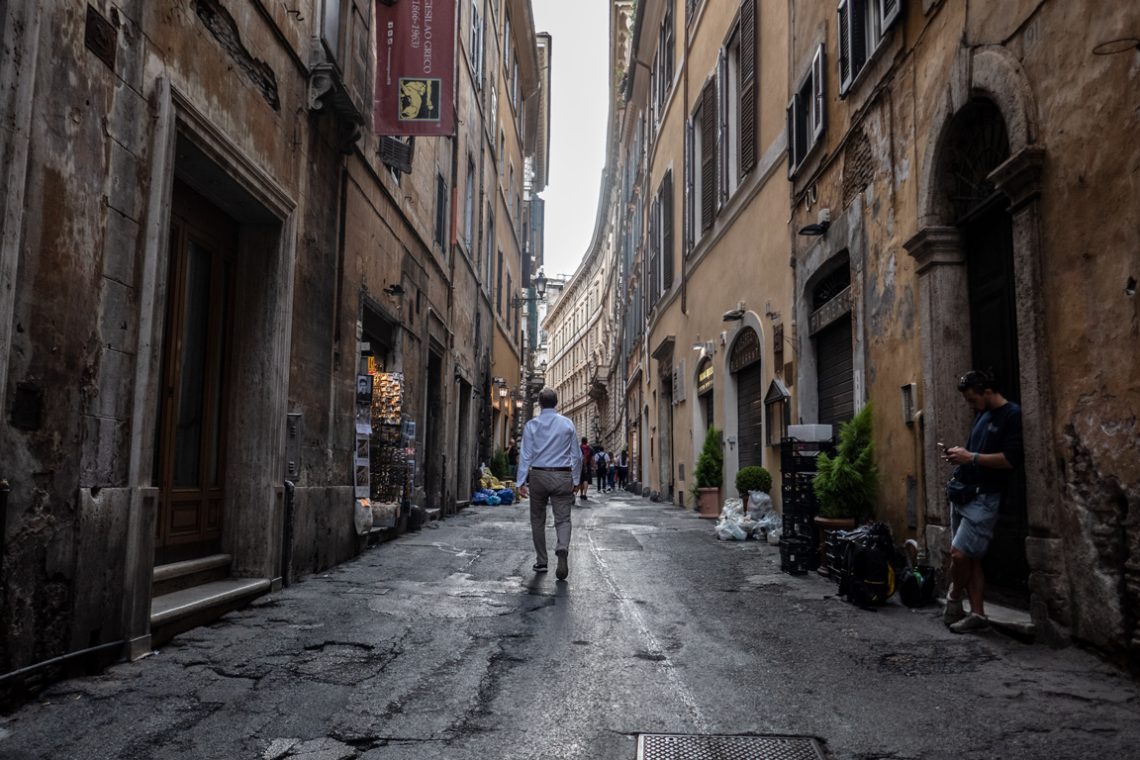
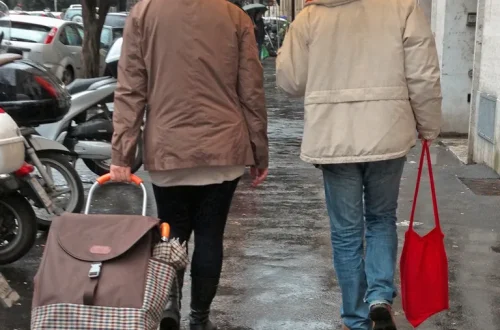
Rome has an unrivalled way of holding beauty and decay in the same frame, and this street is no exception. The cobblestones, slick from a recent rain, mirror the ochre façades and Renaissance windows in a way that almost disguises the litter piled quietly along the curb. Almost. A man in a crisp shirt walks down the centre, back straight, seemingly immune to the refuse that flanks his path. It’s not that he doesn’t see it—it’s that he’s learned to live with it, as many Romans have. On the right, another figure leans against a doorway, absorbed in his phone, framed by stacked crates and plastic bags. Life continues unbothered.…
-
Old Rolls, Immortal Style
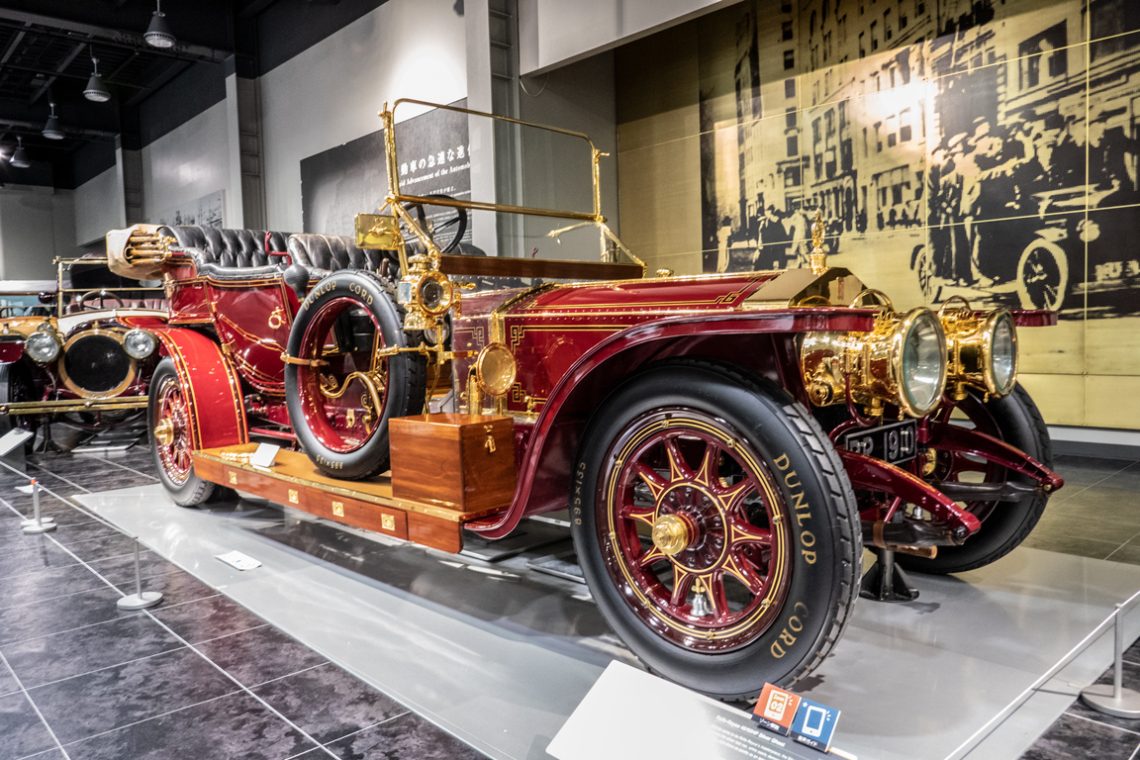
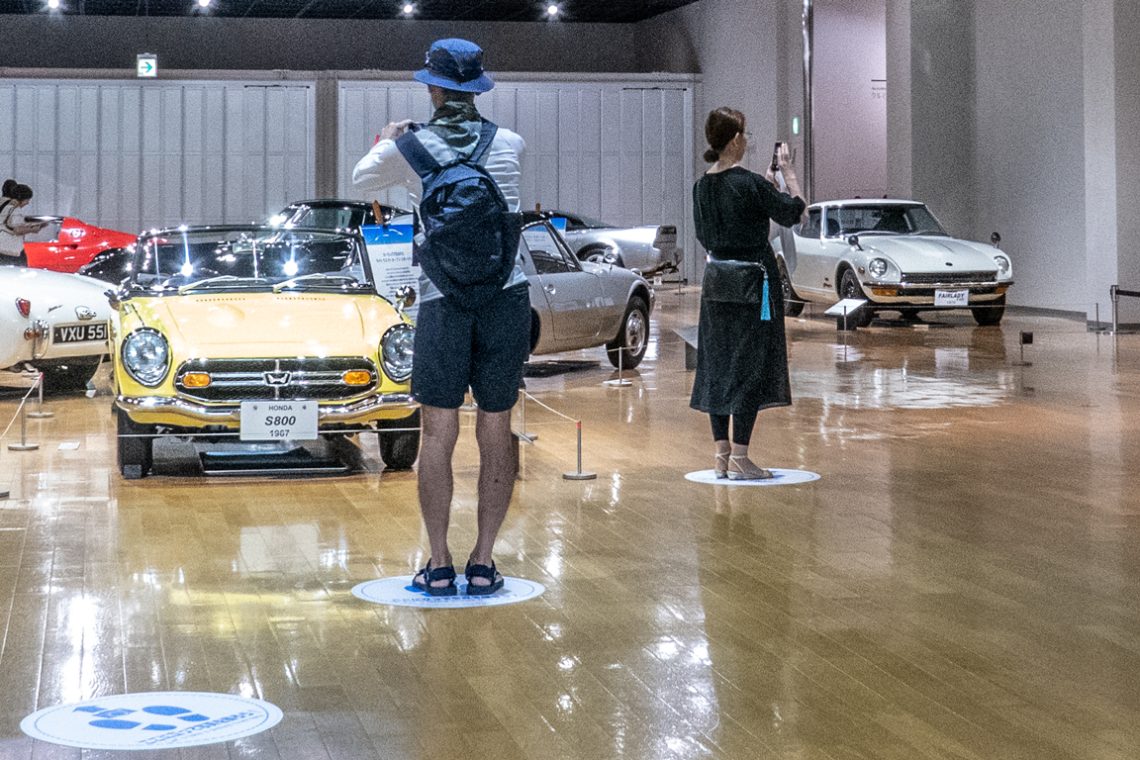
When I stepped into the Toyota Museum in Nagoya I wasn’t there to chase a vintage V12 roar – I was after a photograph that could make the steel of those hatchbacks sing. I set the camera, took a breath, and aimed at the gleaming 2000‑series Corolla perched beneath that cathedral‑like skylight. The result is a picture that feels like a high‑octane sprint through a showroom, but let’s not pretend it’s flawless; let’s break it down the way a proper car reviewer would.
-
A Street Dancer In Sakae
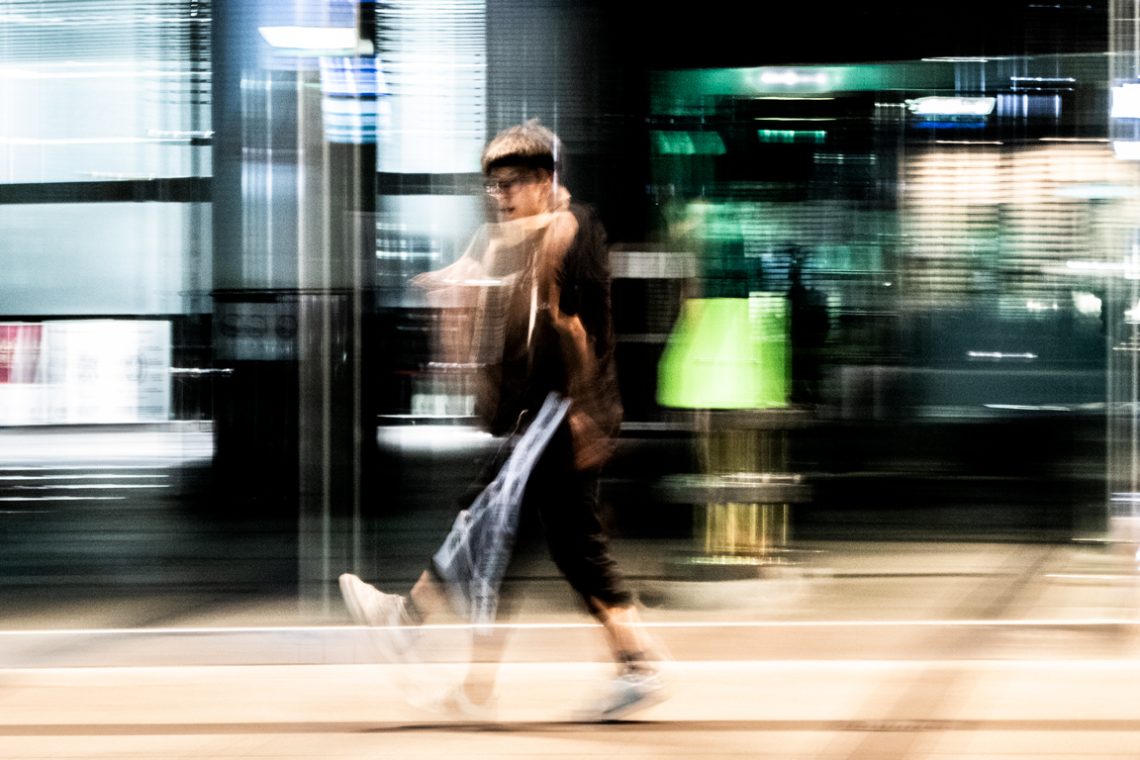
The figure cuts across the frame in mid-motion, blurred by the long exposure into a streak of speed and rhythm. What might have been a simple step in the street becomes here a dance, arms and legs stretched in dynamic diagonals. The city’s lights smear into horizontal bands, a stage built of glass and neon for a fleeting performance. Composition thrives on movement. The dancer is placed almost centrally but leans into the right side of the frame, suggesting continuation beyond what we see. The motion blur is not a flaw but the subject itself: it transforms a person into gesture, a body into energy. Behind, the fractured colours of…
-
Tough Enough
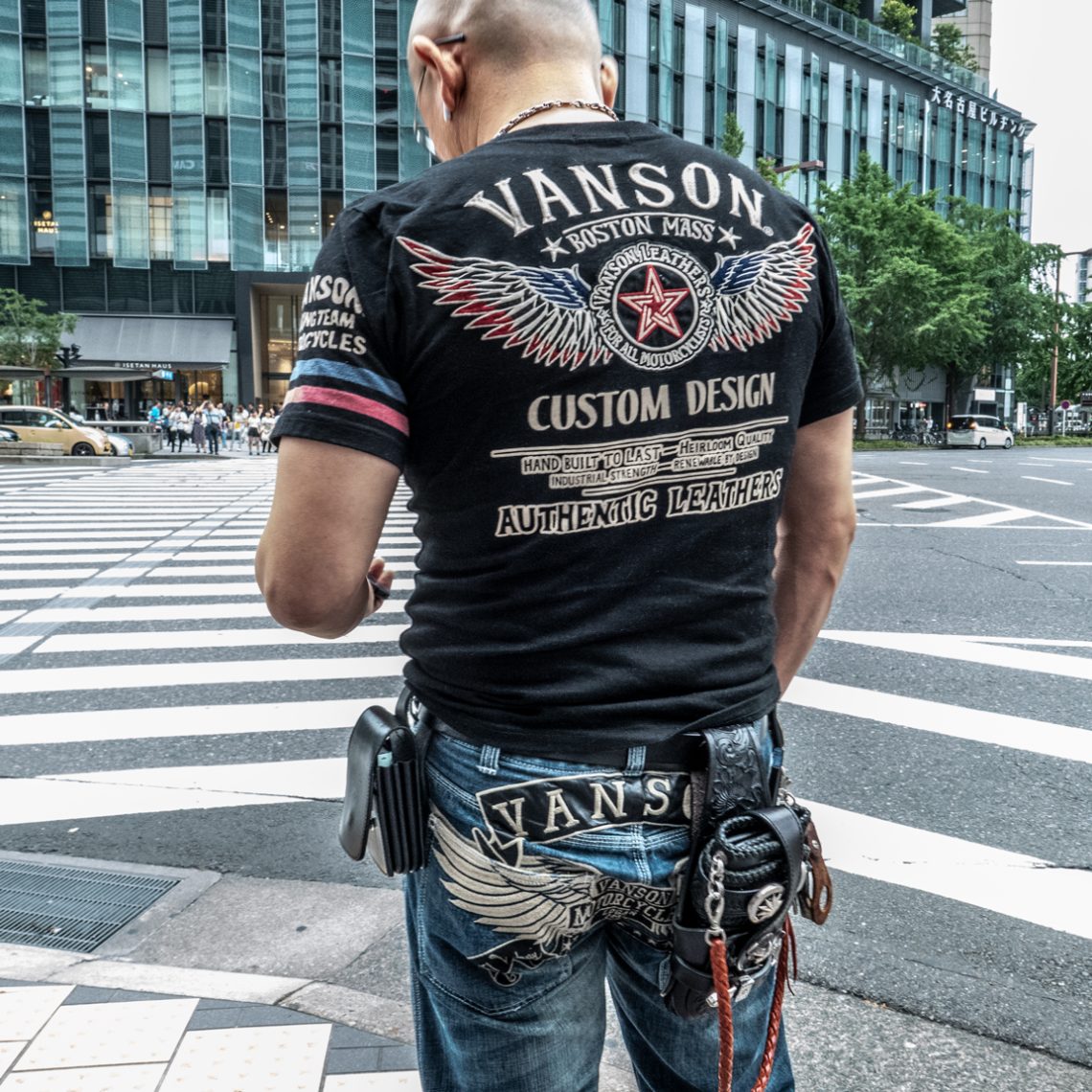
I took this photograph on a busy crossing, stopping behind a man whose style caught my attention immediately. His shaved head, chain accessories, and heavy branding on both shirt and jeans projected a deliberate identity—part biker, part urban cowboy, part street performance. The clothing itself, emblazoned with wings, stars, and slogans, seemed designed to announce toughness before a word was spoken. From a compositional standpoint, I chose to shoot from behind, letting the graphics on his clothes dominate the frame. This perspective makes the man more symbol than portrait, reducing him to a surface of imagery and text. The striped pedestrian crossing beneath his feet adds a rhythm of lines…
-
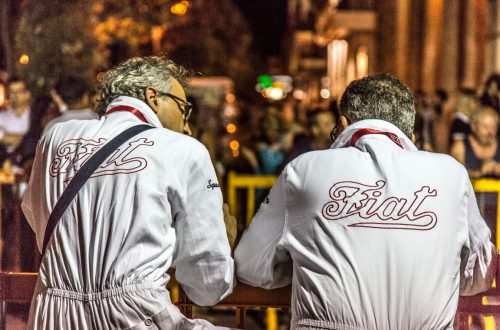
Who Is The Machine?
-
Mandatory Photo Position
-
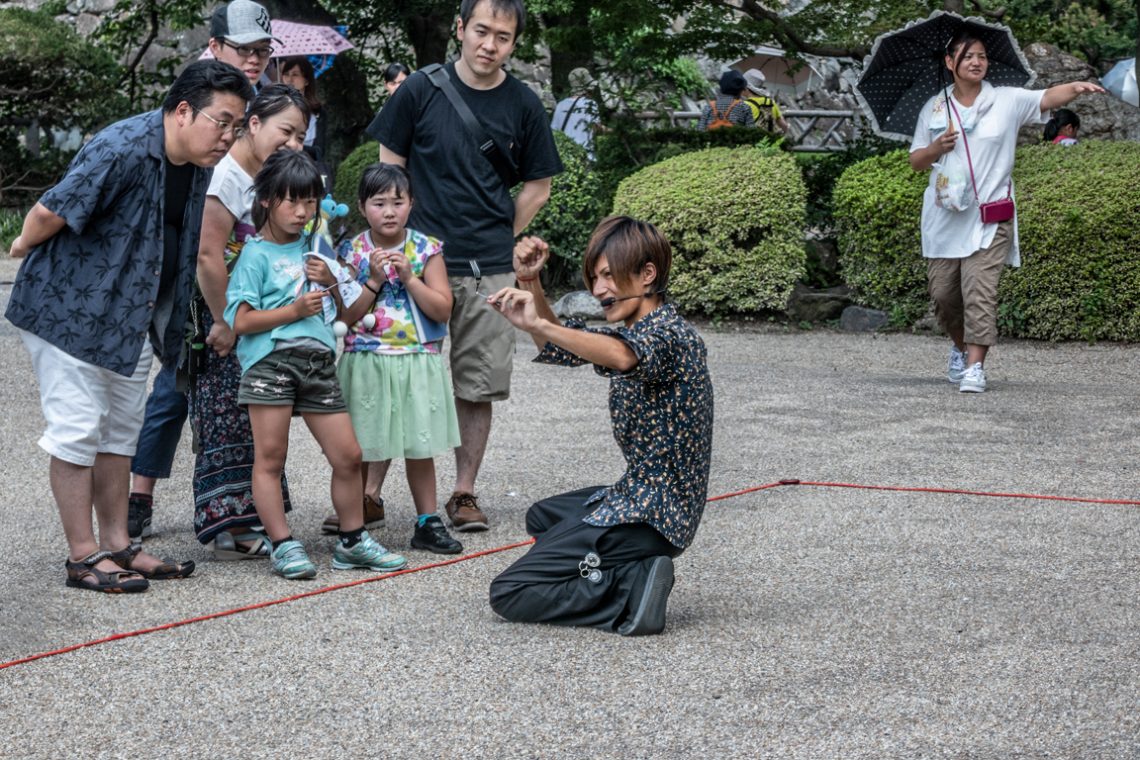
Street Magic@Nagoya Castle