Carl Zeiss Jena Sonnar 135/4 – A Demanding Use Case
For shooting Rossini’s The Barber of Seville at Teatro Marrucino, I took a Carl Zeiss Jena 135/4 lens as a backup for long shots. Master Adriano Lolli replaced the original Contax mount with a Fuji X mount, saving me from the inconvenience of using an adapter, thus extending the lens up to around 200mm because of the crop factor.
As I have mentioned in previous posts, the Teatro all’italiana is a challenging environment for photographers. To be honest, the more high-tech the equipment, the easier life is. Honestly, in this context the more high-tech the kit, the easier life becomes, so carrying an old manual lens is not a sensible choice. However, photographers are known for taking risks if the potential reward in terms of image appearance is high enough, and I am no exception.
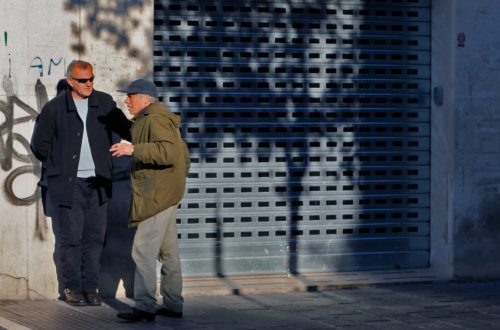
As you might have guessed, the main problem with this type of lens is focusing. This photo looks fine from a distance, but when magnified, a lack of sharpness due to misfocusing becomes apparent. Although the X-T5 EVF’s magnification allowed for a sufficient precision, the stiffness of the focus ring negatively affected the result.
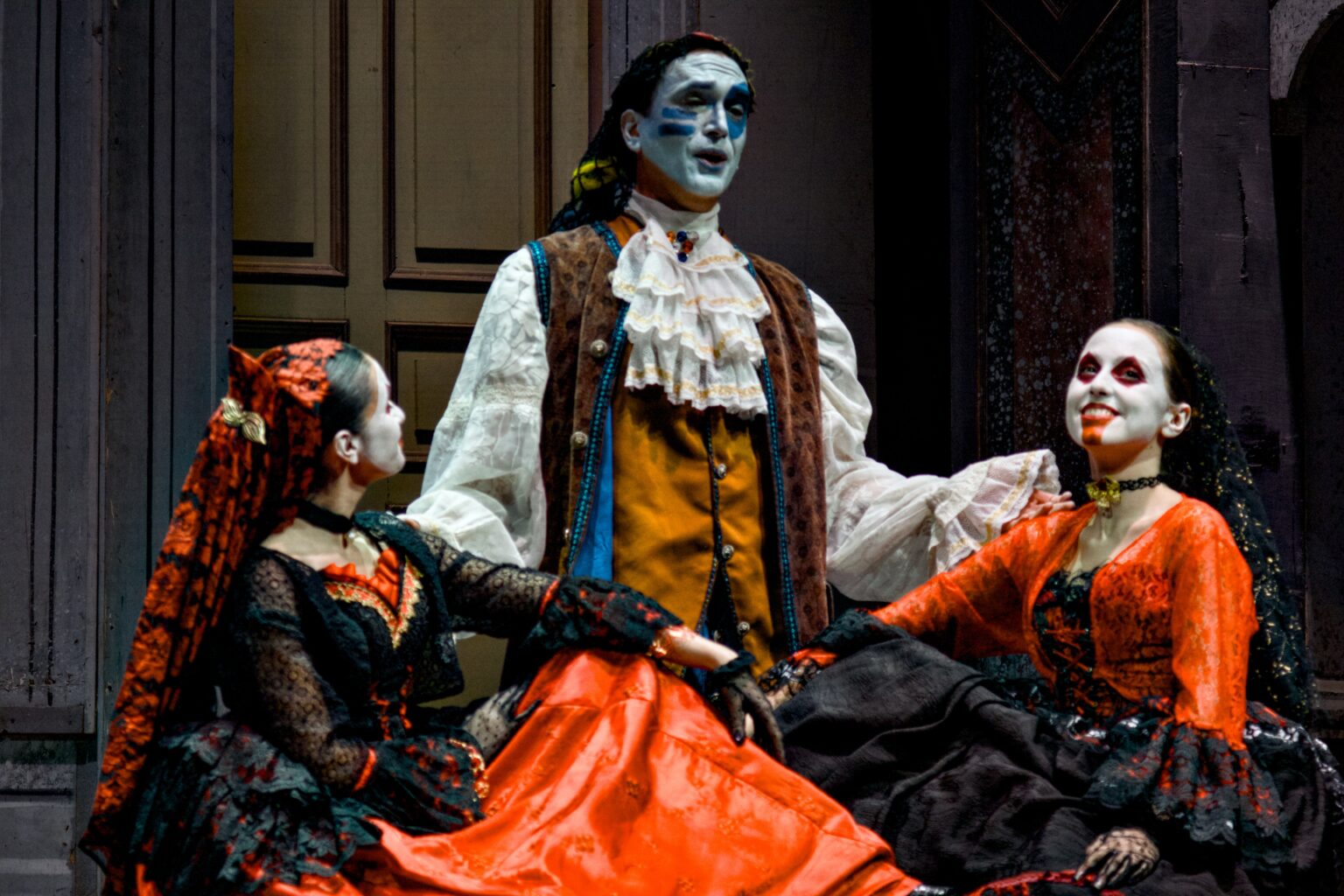
I really like how the lens renders colours, and its resolving power is also a good match for the camera.

The slight horizontal banding is an unavoidable consequence of the anti-flicker feature, which only works with a physical shutter. Using the physical shutter is out of the question because of the noise it produces, so I had to use the electronic shutter and set the shutter speed to 1/100 of a second. This minimised the impact of the LEDs, but did not eliminate it completely.
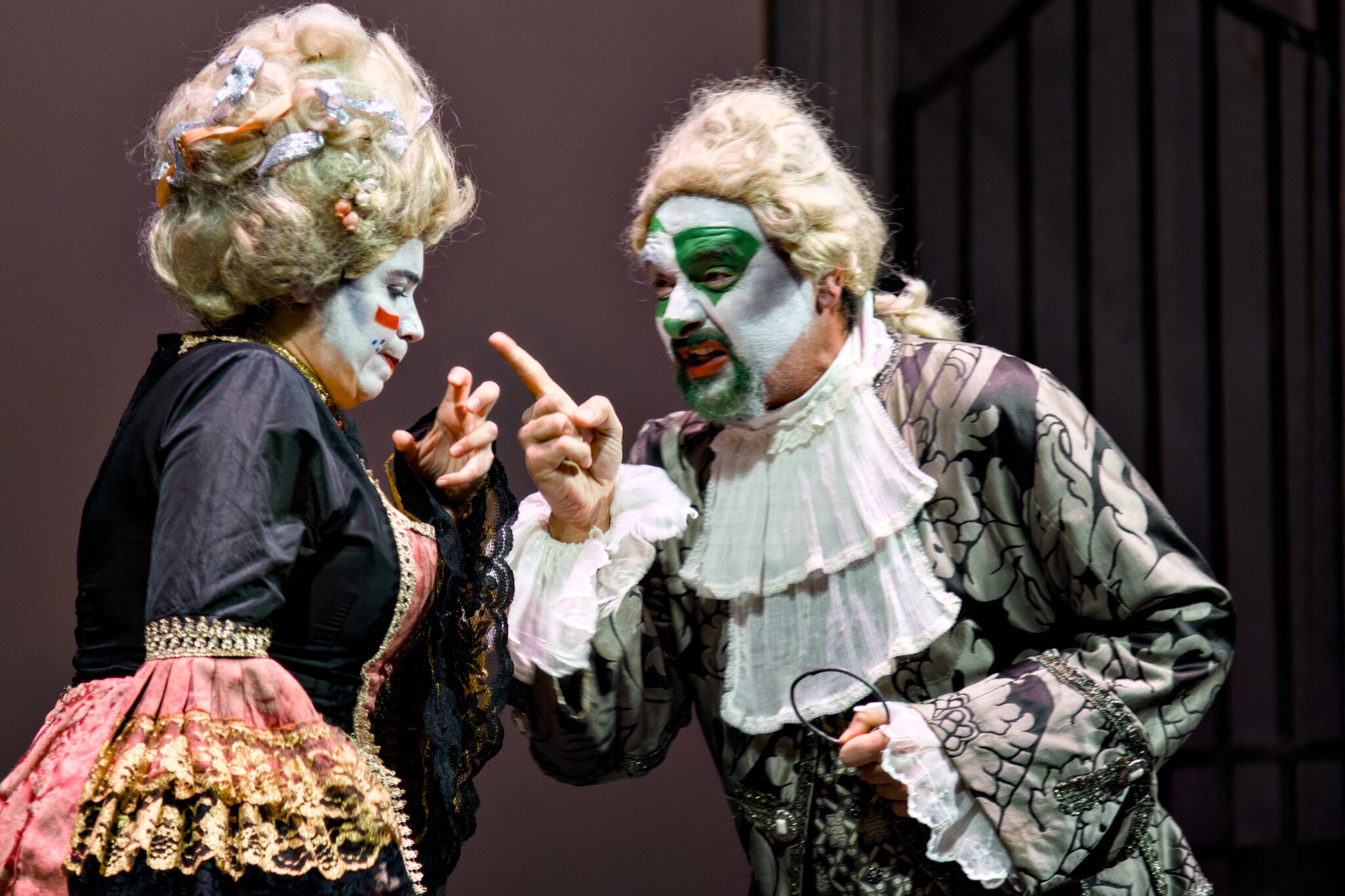
Moderately contrasted scene are well managed:
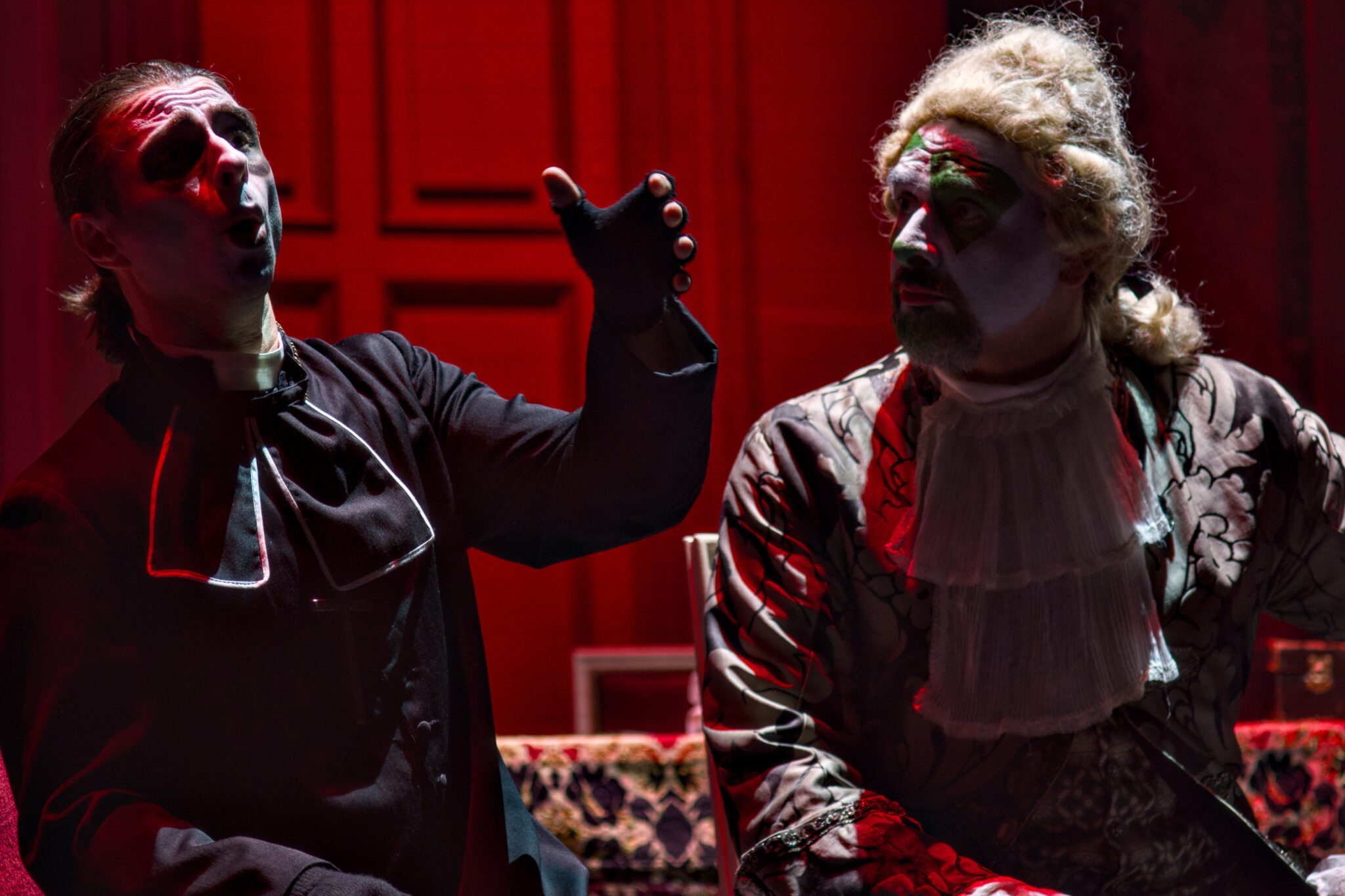
With some luck, fast-paced scenes can also be captured at a reasonable quality:
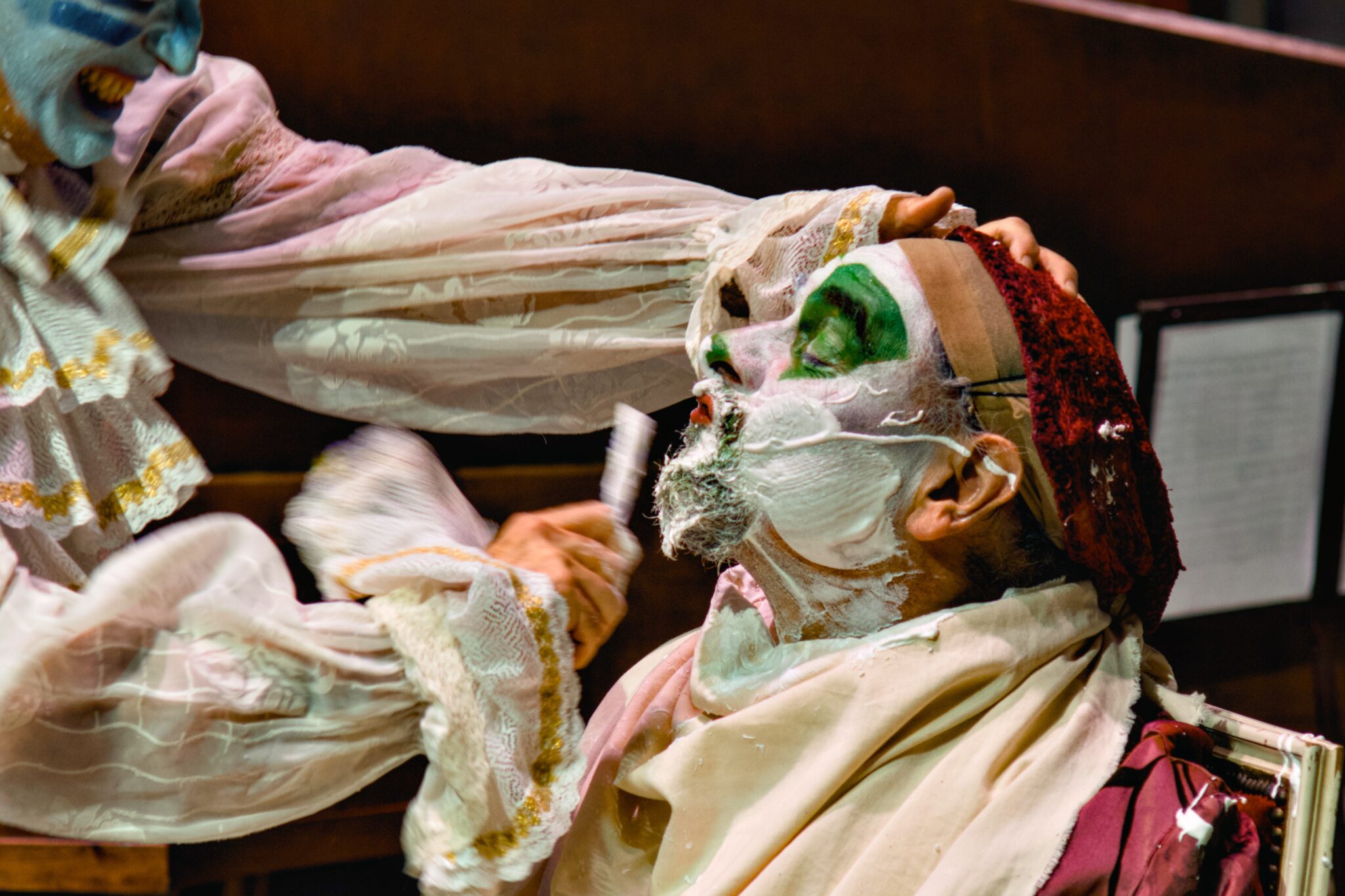
At the end of this highly subjective and non-scientific review, I can conclude with a reasonable degree of confidence that shooting with this lens was fun. I didn’t miss more modern gear, and I didn’t lose a single shot because of the oddness of such an old lens. However, I wouldn’t do this experience again.
In retrospect, it was risky to use a less capable tool on stage. If things had gone wrong, I would be here with a very different story, blaming my stubbornness and stupidity. Fortunately, though, all’s well that ends well.
Here is an animated sequence of more pictures: