A Casual Test of the Vivo X300 Pro Thotographic Features
A recent trip to Japan gave me the chance to field-test the photgraphic capability of a Vivo X300 Pro (which I purchased with my own money, BTW), but before going any further, a few words to the wise are necessary.
I purchased this smartphone essentially because I like Zeiss lenses. I did not expect to get results in the class of the camera optics, still I can’t say I was pleased with the results. As far as photography is concerned, this smartphone’s selling point is its Zeiss-powered camera; however, it is important to remember that apart from the lens coating, which enables the use of the T* symbol, Zeiss’s main contribution seems to be in the field of computational photography. Indeed, the option of different fields of view (FOV) — 24, 35, 85 and 135 mm — coupled with the Planar, Biotar and Biogon lens designs, are only available when using Camera app’s ‘Portrait’ mode and in JPEG format; plus, the bokeh is applied in post, through a drop-down menu allowing to enable or disable the effect and change the aperture (once again, that’s a software feature as the lens only shoot at its defaul physical value.) In other word, you can’t use the Zeiss colour rendition in RAW and using the PRO mode as there is only a generic ‘Zeiss’ button. This is not to say that the Vivo X300 Pro takes bad photos for whithin the limits of a smartphone the results are in general fairly good, but —being honest—I was not able to weight Zeiss’s actual contribution to the process. That said, let’s look at some pictures.
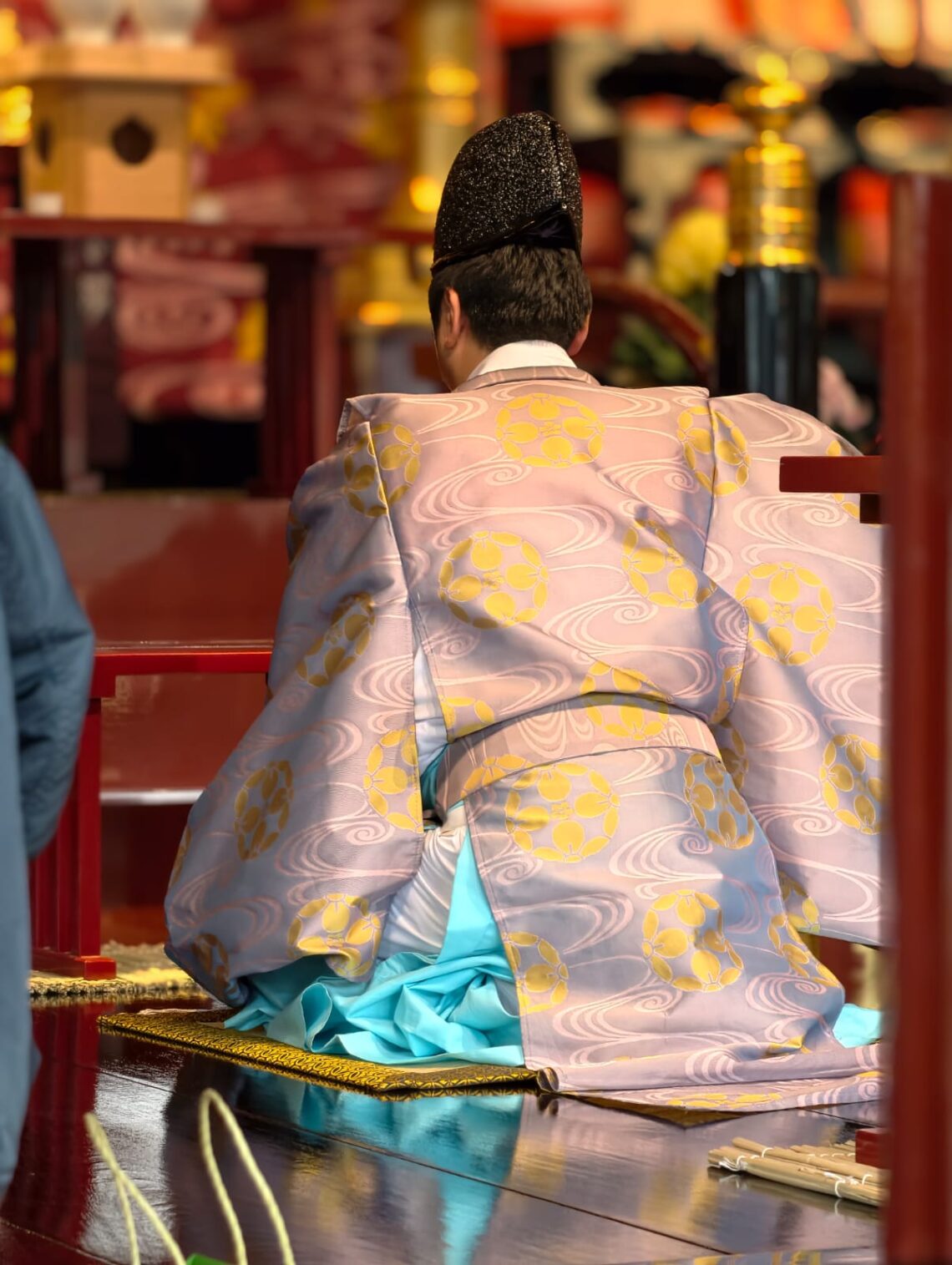
This is the original photo, taken at Fukuoka Daifazu Jingu,the Shinto shrine built to calm the Nihon Sandai Onryō, the Three Great Vengeful Spirits
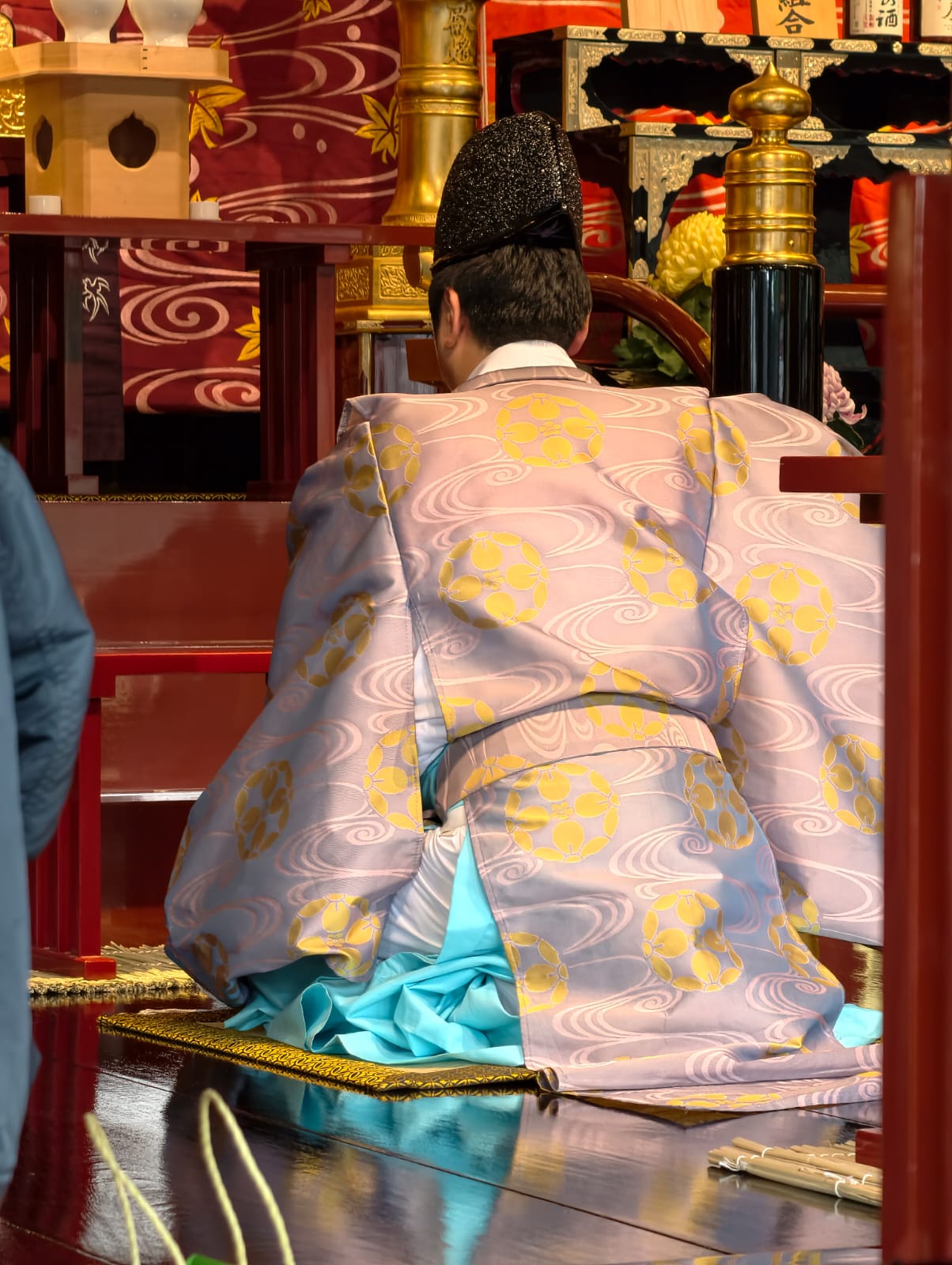
and this is how the photo looks like after the processing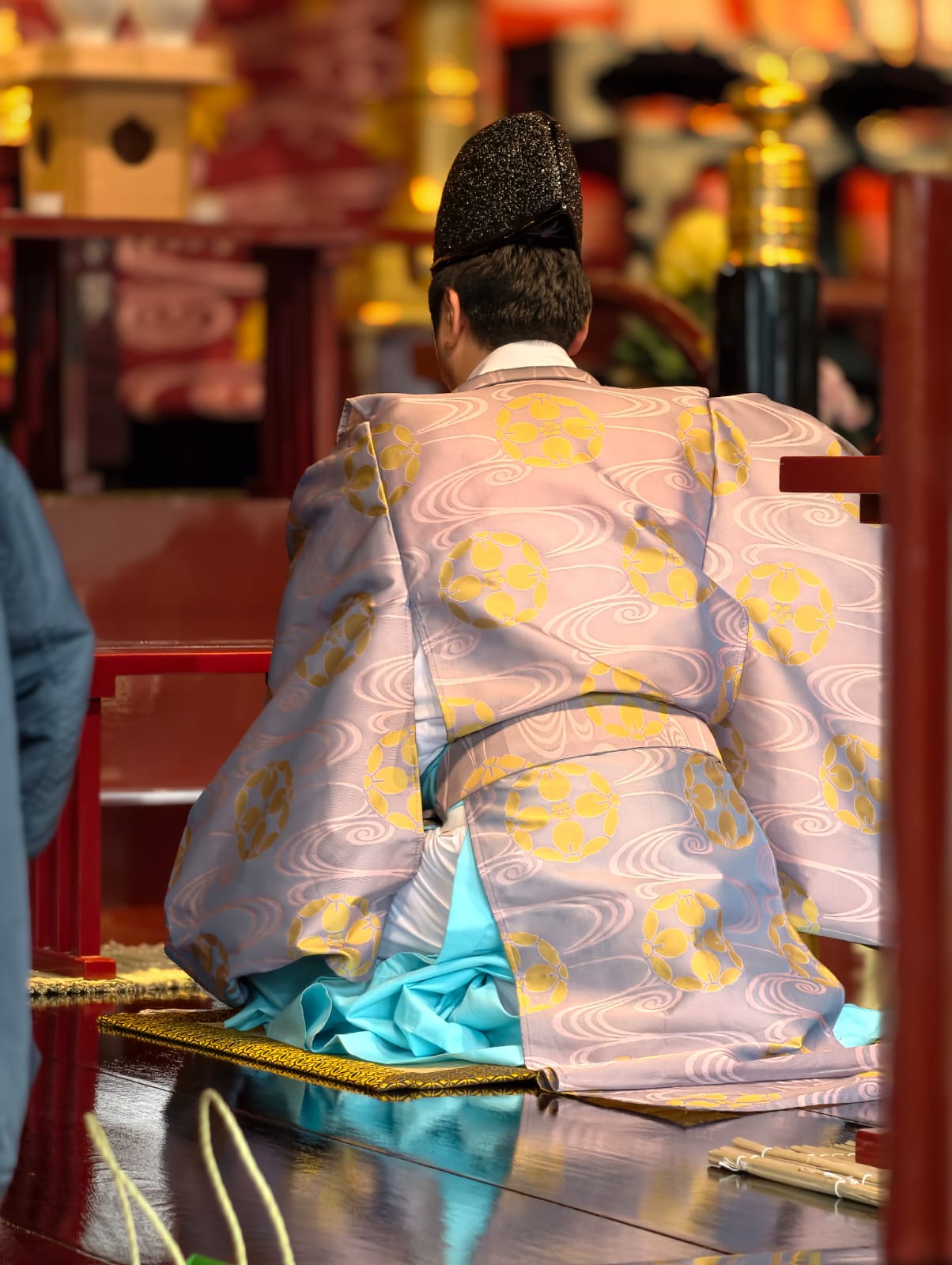
s
I don’t see much difference between the colours rendition and it looks like the only part where Zeiss steps in is the blurring of the background which, frankly, I don’t like.
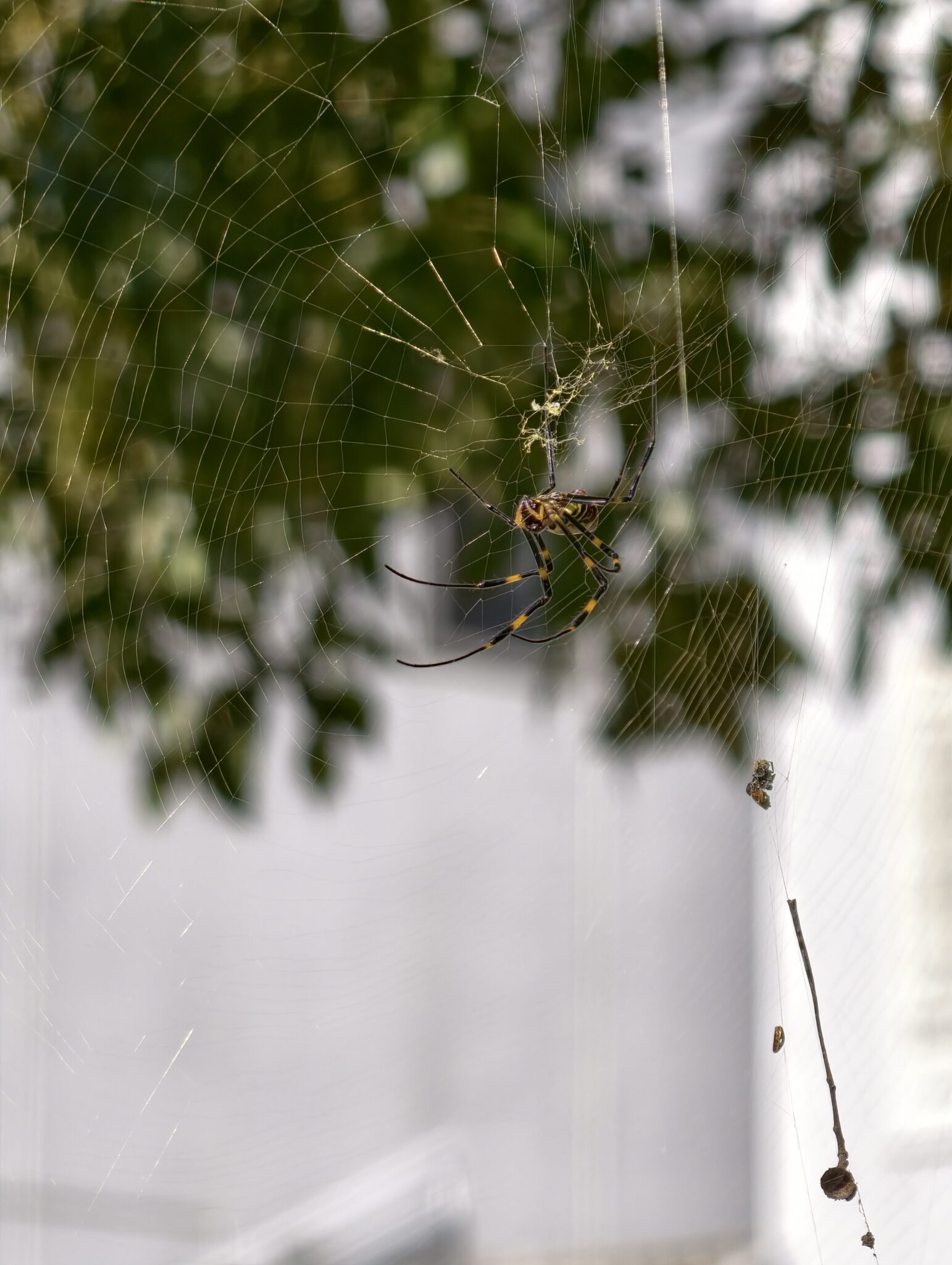
This is another example, taken with the 135mm equivalent lens. Once again, the bokeh looks artificial but, admittedly, the smartphone is able to record fine details, as this photo of a Joro spider on its cobweb clearly shows
The camera app tracks the use of AI and, if not disabled, embeds a watermark, as i sadly discovered only when later i checked the results. The watermark is customizable and in its default appearance it shows the smartphone brand, model and year of the shoot.
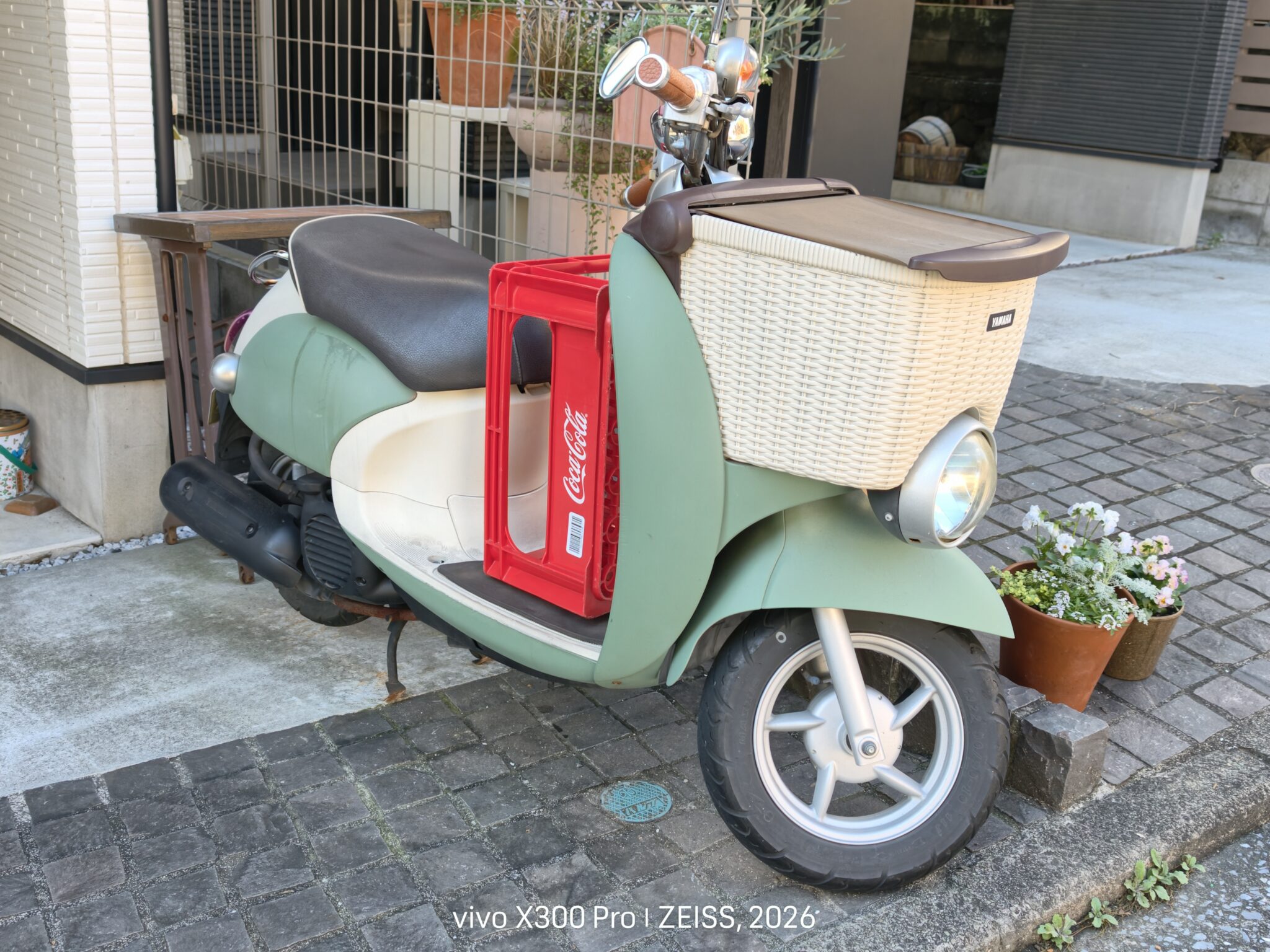
This is another example, taken in a big Yokohama mall, looking like a WordPress image placeholder combining artificial bokeh and watermark:

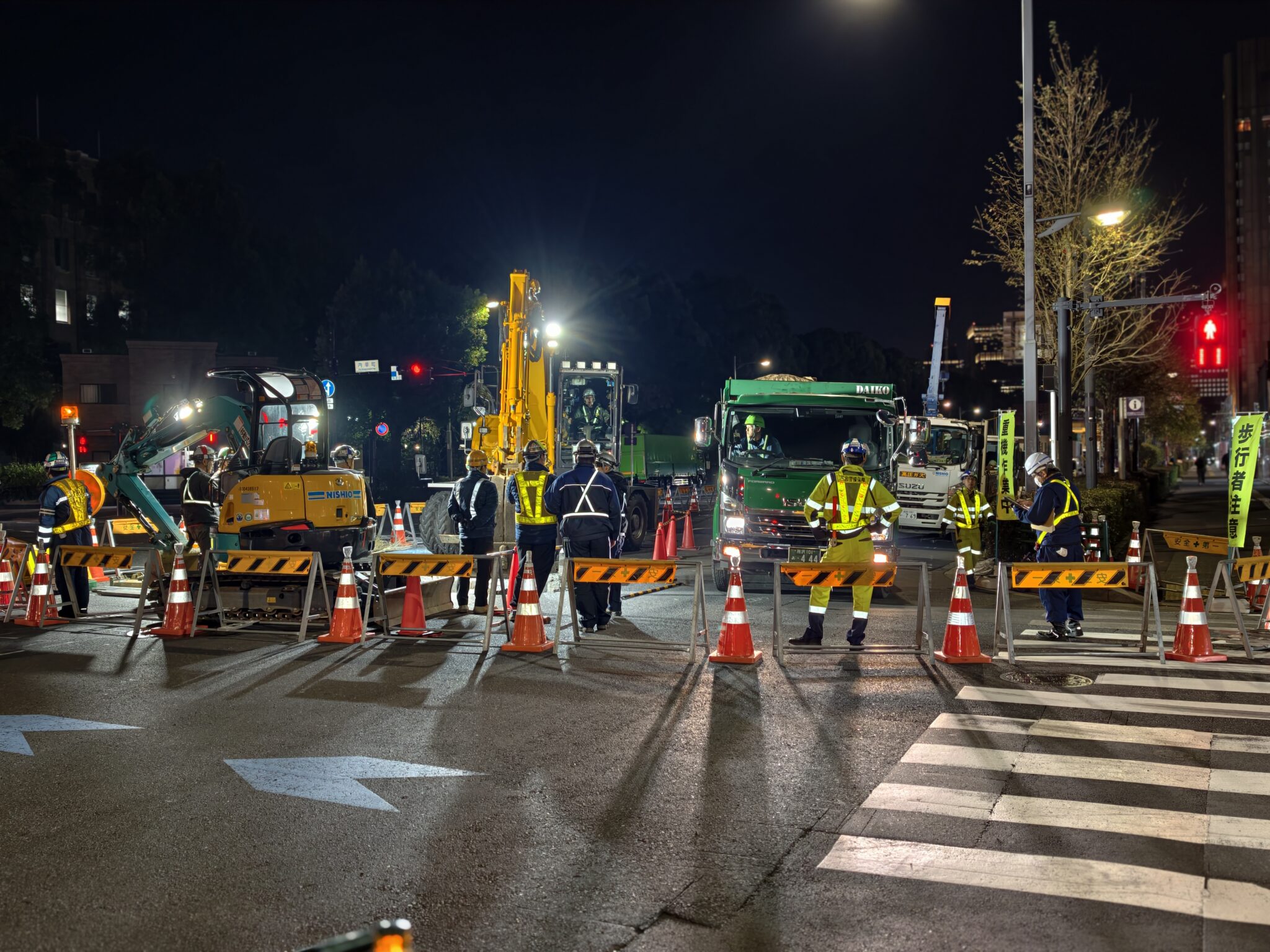
Low light perforrmance is more than acceptable, even if the photo is taken while moving. Here i was heading toward the Tokyo Tower and stumbled upon night maintenance roadworks
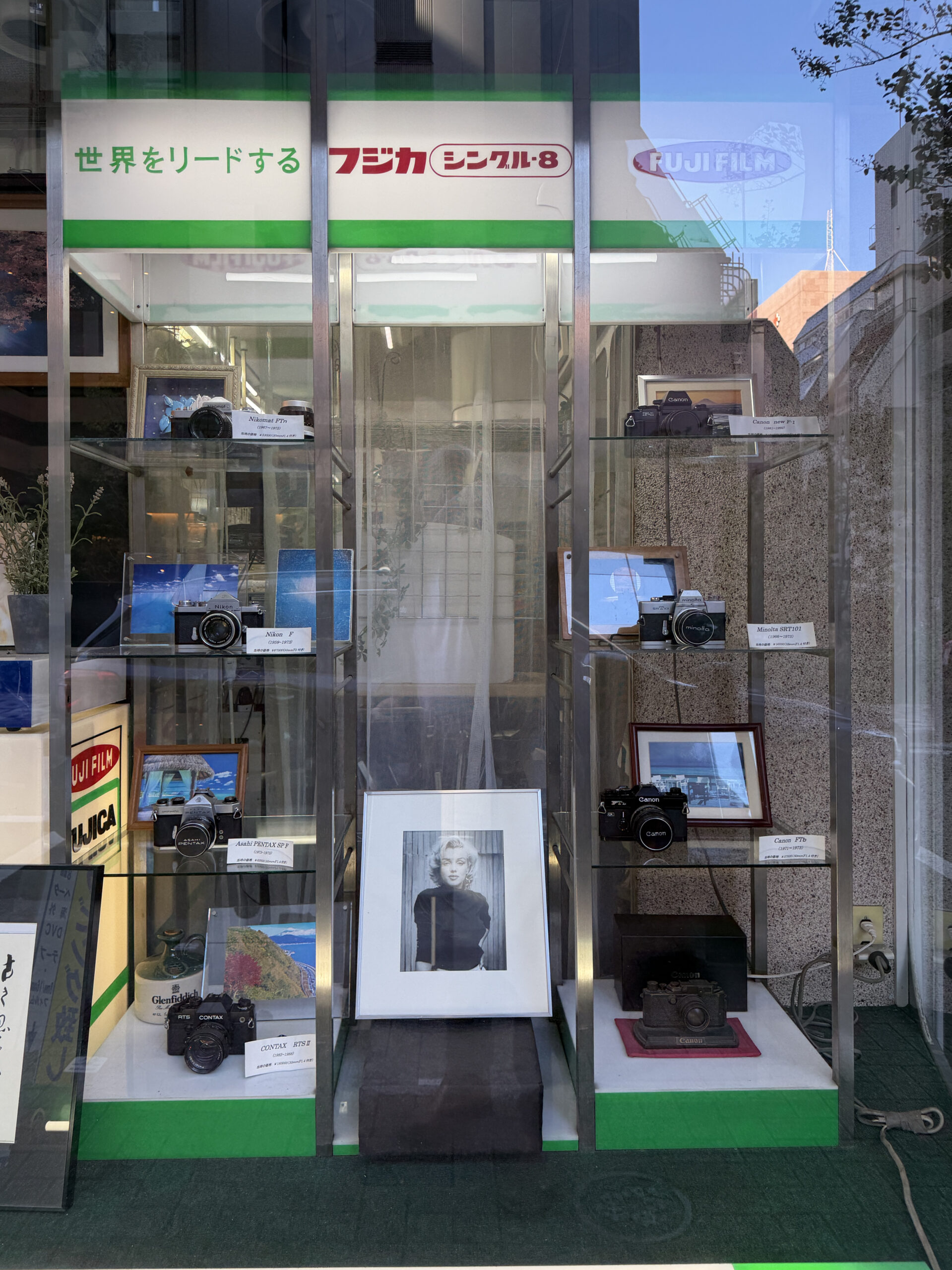
To give a quick ‘n dirty benchmark, here is a couple of photos taken with an iPhone 17 Pro Max. This one was shot inside a cafeteria, in Tokyo’s Ochanomizu area,

and this is and old camera shop near Hamamatsucho Station, where I sometimes buy film rolls instead of going to the usual big names:
To make a long story short: the X300 is a capable smartphone, however, at least to me, it did not add so much to what I could do with an iPhone but for the longer telephoto —not a killing feature, though.
Retrospectively, I should haven’t purchased it.